
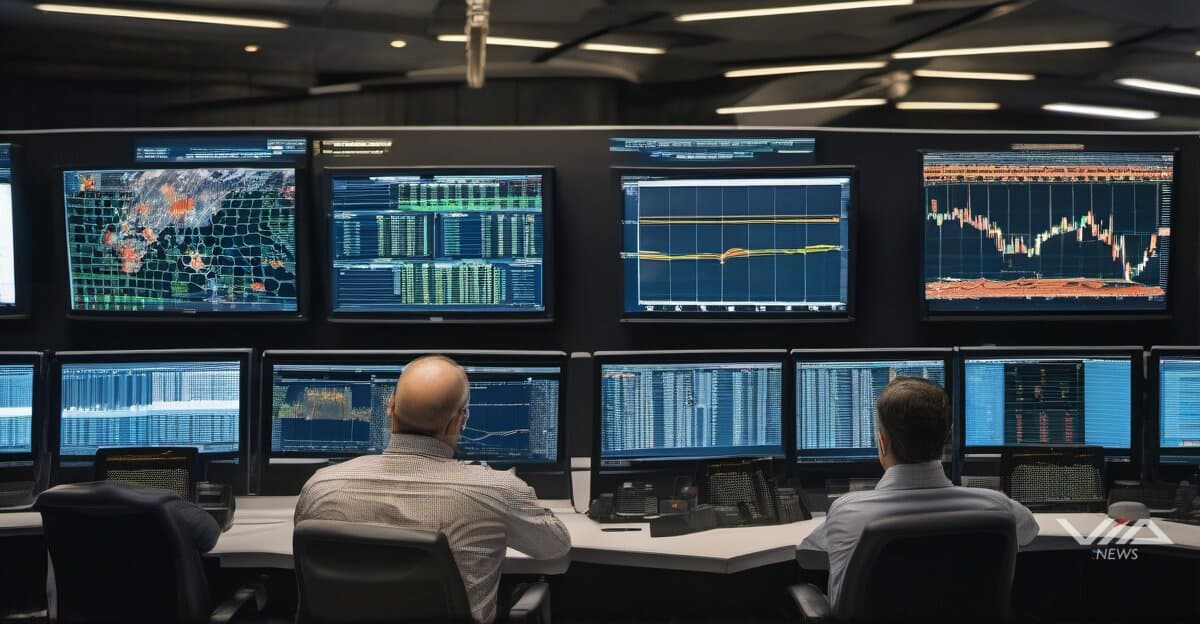
Algorithmic trading firms are deploying machine learning systems at scale to maintain performance edges in automated markets. Market makers including Flow Traders, Tradeweb, and Virtu Financial report strong results while directing capital toward deep learning trading initiatives and adaptive AI infrastructure.
Specialized platforms are competing to build superior execution capabilities. Galidix expanded its adaptive AI layer in December 2025, stating digital-asset markets "continue to progress toward increasingly automated infrastructures, with volatility cycles and liquidity conditions evolving at unprecedented speeds."
TPK Trading unveiled an enhanced AI performance layer the same month, targeting higher execution precision. The company stated platforms "capable of synthesizing large-scale data, adapting to volatility, and maintaining coherent performance will be well positioned to support the future of digital-asset trading."
The infrastructure race centers on three capabilities: multi-route analytical engines that process diverse data streams, real-time harmonization systems that unify fragmented market data, and volatility adaptation layers that adjust execution strategies automatically.
Quantum AI launched a multi-asset trading platform in 2025 with pattern-recognition algorithms and predictive modeling modules. The system processes pricing data, volume activity, liquidity behavior, and market depth metrics in real time. It includes anomaly-detection layers for liquidity gaps, volume surges, and trend reversals.
The platform offers dynamic portfolio rebalancing, multi-asset allocation models, and automated reaction cycles that process market shifts and risk-threshold adjustments continuously. It operates through regulated broker partnerships across cryptocurrencies, forex, equities, commodities, and global indices.
Competition is intensifying as automation spreads. Firms without advanced AI layers risk performance gaps as markets shift to machine-speed execution. The platforms building superior data synthesis and volatility adaptation are gaining measurable advantages in execution quality and risk management.
Market makers are responding with heavy AI investment. The competitive dynamic favors firms that can deploy deep learning systems quickly while maintaining stable performance across asset classes and market conditions.