
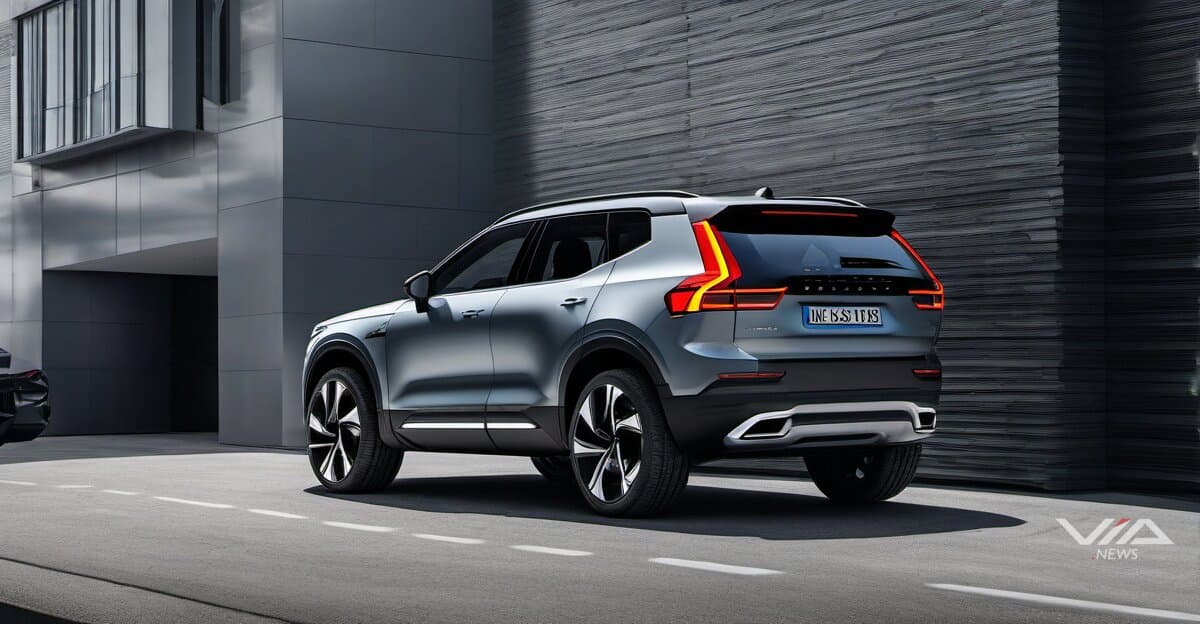
Polestar will introduce a compact premium SUV in 2028, entering the largest electric vehicle segment in Europe. The Polestar 7 will be manufactured in Europe, positioning the brand to compete directly in the high-volume compact SUV market.
The compact SUV segment accounts for roughly 25% of European EV sales, making it the most commercially significant category. Tesla's Model Y currently leads this space, capturing approximately 18% of European EV market share in 2025. Volkswagen's ID.4, Mercedes EQA, and BMW iX3 also compete for buyers in this segment.
Polestar currently offers larger vehicles including the Polestar 3 and 4 SUVs, both positioned above the compact category. The brand sold 54,600 vehicles globally in 2024, a 27% increase from 2023 but well below volumes achieved by established competitors. The Polestar 7 represents the company's first entry into a segment where annual sales exceed 400,000 units in Europe alone.
European production provides two strategic advantages. First, vehicles qualify for EU battery regulations favoring local manufacturing. Second, production costs avoid import tariffs that add 10% to prices of Chinese-manufactured EVs entering Europe. Polestar currently builds the Polestar 3 in South Carolina and Chengdu, while the Polestar 4 is manufactured in China.
The 2028 launch timeline positions Polestar behind competitors already scaling compact EV production. Volkswagen plans to produce 300,000 ID.4 vehicles annually by 2027. Tesla's Berlin factory can manufacture over 250,000 Model Y units per year. Polestar must establish manufacturing partnerships or build new capacity to compete at these volumes.
Premium compact SUVs typically carry prices between €45,000 and €65,000 in Europe. Profit margins in this segment average 8-12%, lower than larger luxury SUVs but compensated by volume. Polestar's ability to price competitively while maintaining margins will depend on battery costs, which currently represent 35-40% of EV production expenses.
The announcement forms part of Polestar's largest model expansion. Parent company Geely has committed capital to develop multiple platforms supporting smaller, more affordable vehicles as EV adoption broadens beyond early premium buyers.