
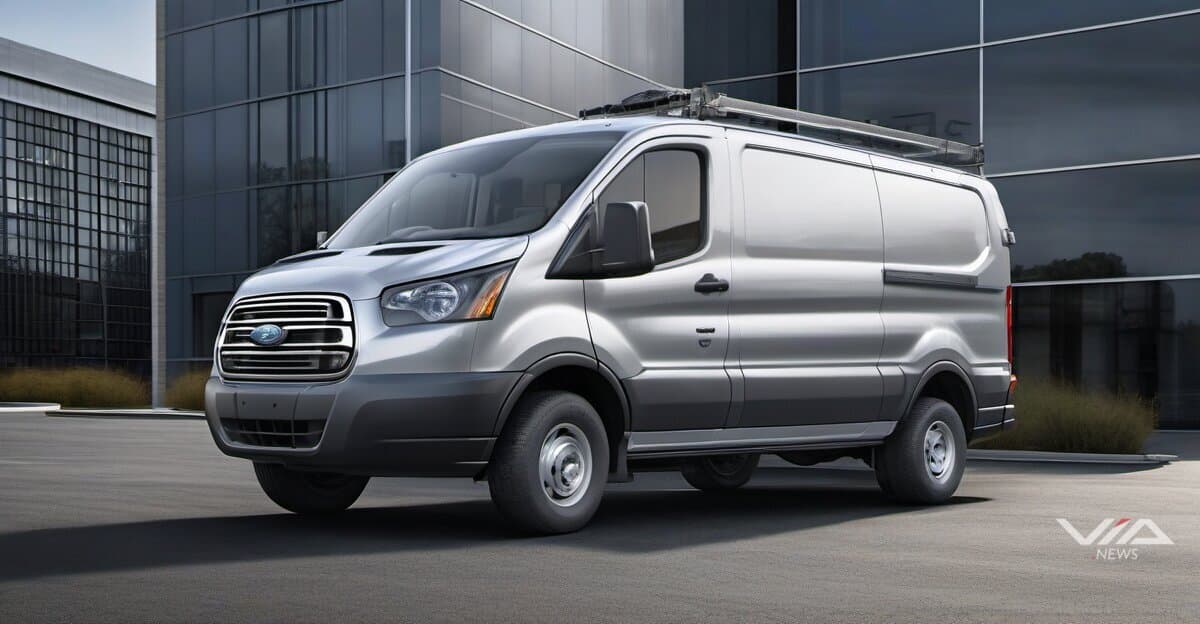
Ford Motor Company is making a significant strategic pivot in its commercial vehicle lineup, scrapping plans for an all-electric van in favor of gas and hybrid models to be produced at its Ohio Assembly Plant. The decision, framed by Ford as "following the customer," carries substantial implications for investors tracking the automotive sector's tortured relationship with electrification.
The new affordable commercial van — available in both conventional gasoline and hybrid configurations — represents a tangible acknowledgment that fleet operators, the backbone of commercial van demand, are not yet ready to commit to battery-electric vehicles at scale. Range anxiety, charging infrastructure gaps, and the higher upfront capital cost of EVs remain persistent friction points for businesses running large delivery and service fleets.
A Costly Course Correction
Ford's EV strategy has been one of the most closely watched — and most expensive — in the industry. The company's Model e division, which houses its electrification efforts, has posted billions in operating losses in recent years as the automaker poured capital into battery supply chains, dedicated EV platforms, and manufacturing retooling. The pivot at Ohio Assembly Plant is not simply a product decision; it is a capital reallocation signal.
By returning to proven gas and hybrid powertrains for commercial vans, Ford reduces near-term manufacturing risk and improves the probability of margin-positive vehicle sales. Hybrid commercial vehicles, in particular, have demonstrated strong fleet acceptance — offering fuel savings without the infrastructure dependencies of full electrification.
Investor Sentiment: Relief or Concern?
For equity investors, the announcement is a double-edged signal. On one hand, dialing back EV investment in commercial vehicles suggests Ford's management is prioritizing profitability discipline over market share narratives — a posture that income-focused shareholders have long demanded. Ford's Pro commercial division has been the company's most profitable segment, and protecting its margins with products customers actually want to buy is sound capital stewardship.
On the other hand, the retreat raises questions about Ford's long-term competitiveness as fleet electrification mandates tighten in key markets, particularly in Europe and select U.S. states. Investors with ESG mandates may view the pullback as a governance flag, even if the near-term financials improve.
Broader Sector Read-Through
Ford's move is not isolated. Across the commercial vehicle space, the gap between electrification announcements and actual fleet adoption has widened. Rivian's commercial van relationship with Amazon has faced production hurdles, while traditional OEMs have quietly extended the lives of internal combustion platforms beyond original sunset dates.
For automotive sector investors, the read-through is clear: EV adoption in commercial fleets is a longer, lumpier cycle than originally modeled. Companies that can generate strong cash flows from hybrid and ICE products while maintaining optionality on EVs are better positioned than pure-play EV bets with unproven fleet demand.
Ford's Ohio Assembly Plant retooling, expected to support production ahead of a 2029 launch window, will be watched as a template for how legacy automakers balance stakeholder pressure with market pragmatism. In an environment where customer demand — not regulatory aspiration — drives the production schedule, that balance may prove to be the defining competitive advantage of the decade.