

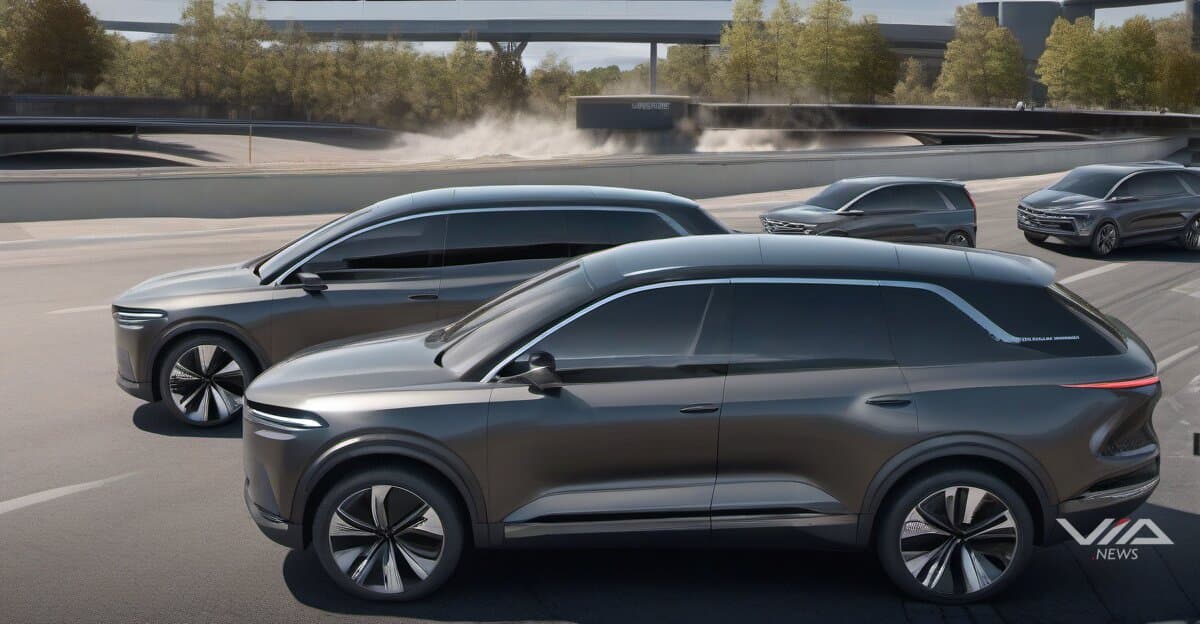
Multiple automakers plan to launch vehicles with Level 2++ autonomous driving systems as standard equipment during the 2025-2026 timeframe, according to market analysis.1 The commercialization wave represents a significant acceleration in bringing advanced driver assistance beyond premium trim levels.
Level 2++ systems provide enhanced autonomous capabilities while still requiring driver supervision. Unlike basic Level 2 features, these advanced systems handle more complex driving scenarios including highway navigation, lane changes, and traffic response with reduced driver intervention.
The standardization strategy across vehicle lines creates immediate implications for component suppliers. Sensor manufacturers, processing chip makers, and software developers face surging volume requirements as systems move from optional to baseline equipment. Companies providing LiDAR, radar arrays, and vision processing units stand to capture expanded market share.
The deployment serves a dual purpose for manufacturers. Consumer vehicles equipped with these systems generate massive real-world training datasets while driving occurs. This data collection feeds development of higher autonomy levels, creating a feedback loop between current product sales and future capability development.1
Stock performance for autonomous driving component suppliers may track adoption rates closely. Volume production of standardized Level 2++ systems typically drives margin improvement compared to low-volume premium applications. However, manufacturers face intense cost pressure to maintain vehicle pricing while adding sophisticated sensor suites.
The competitive landscape shifts as Level 2++ becomes table stakes rather than differentiator. Automakers must advance toward Level 3 and Level 4 capabilities to maintain product distinction. This pressure accelerates R&D spending and partnership activity with technology firms.
Insurance implications remain uncertain as vehicles with advanced automation enter mass-market fleets. Liability frameworks and premium structures for Level 2++ equipped vehicles are still evolving across jurisdictions.
Investors should monitor production volume announcements and supplier allocation wins as indicators of market positioning. Companies securing design wins for 2026-2027 vehicle programs gain multi-year revenue visibility as platforms typically run 5-7 year cycles.