
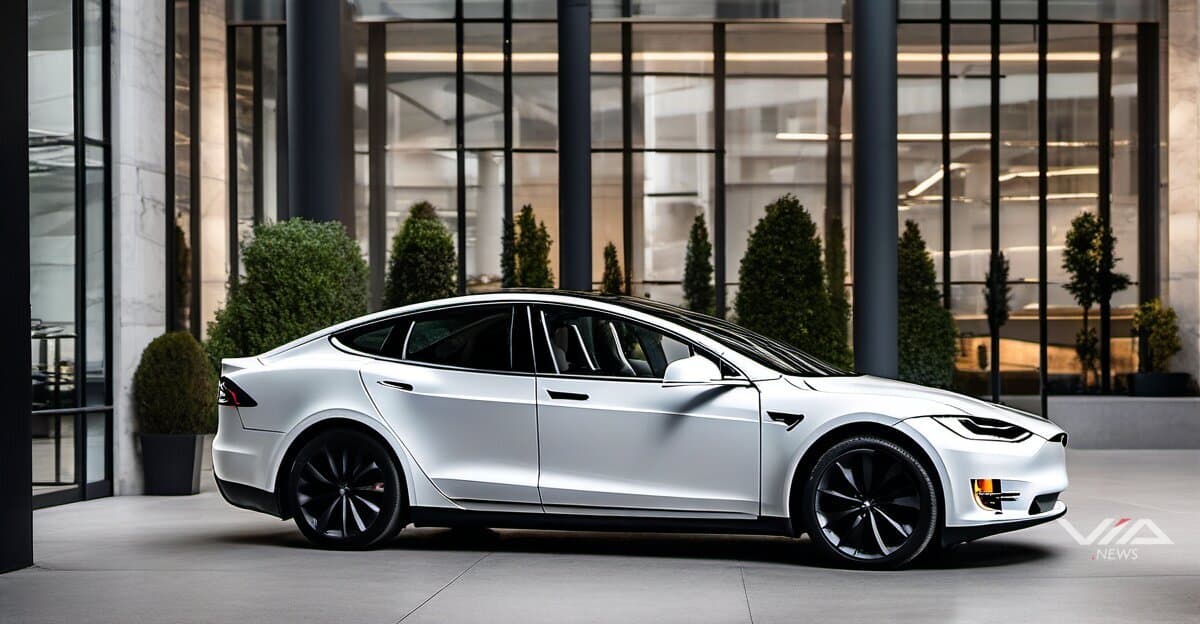
According to recent reports, Tesla Inc. is reportedly considering ceasing production of the Model S and Model X, marking a significant shift in the company's product lineup. CEO Elon Musk stated, “It’s time to bring the Model S and X programs to an end with an honorable discharge,” signaling a new era for Tesla focused on advanced robotics and autonomous vehicles.
The Optimistic View
The discontinuation of the Model S and Model X could herald a new wave of innovation and growth for Tesla. One of the key opportunities lies in the transition towards autonomous vehicle technology. By focusing on developing the Cybertruck into an autonomous vehicle, Tesla could lead the way in transforming how people and goods are transported. This shift could also drive advancements in artificial intelligence, particularly through the development of xAI, which could yield groundbreaking solutions that benefit not only Tesla but the broader tech industry.
- Innovation: A focus on autonomous vehicles and advanced robotics could position Tesla at the forefront of technological advancement.
- Growth: The potential for new markets and revenue streams through autonomous vehicles and AI could significantly boost Tesla's growth trajectory.
The Pessimistic View
However, this strategic pivot carries significant risks. Existing Model S and X owners might feel their vehicles are being phased out without adequate replacement options, leading to a loss of brand loyalty. Additionally, the discontinuation of Tesla's flagship models could tarnish its reputation as a luxury car manufacturer. There is also the risk that the transition to producing the Optimus robot and autonomous Cybertrucks could encounter unforeseen technical and logistical challenges, resulting in substantial delays and increased costs.
- Brand Loyalty: Current owners may feel neglected, potentially leading to a decline in customer satisfaction and loyalty.
- Technical Challenges: Developing autonomous vehicles and advanced robotics is complex and could face numerous obstacles.
System-Level Implications
The decision to end production of the Model S and Model X has far-reaching implications for Tesla's supply chain and the broader automotive industry. As Tesla shifts its focus towards autonomous vehicles and robotics, there could be a shift in the supply chain focus towards components relevant to these technologies. Conversely, there might be an oversupply of parts designed for the discontinued models, leading to potential price drops or reallocation efforts. This transition could also intensify competition in emerging fields, potentially shifting power dynamics away from traditional automotive giants and towards tech-savvy players like Tesla.
The Contrarian Perspective
Despite the optimism surrounding Tesla's future plans, some market participants argue that ending production of the Model S and X may not yield significant cost savings and could alienate a segment of loyal customers who prefer these models. The shift towards autonomous vehicles and robots is seen as risky and unproven, with the possibility that these products may not achieve the desired success. Furthermore, the potential for cost savings and market leadership must be weighed against the risks of losing established customer bases and facing technical hurdles.
Tesla's strategic move to discontinue the Model S and Model X represents a bold step into the future of transportation. While it holds promise for innovation and growth, it also comes with significant risks and challenges. As Tesla navigates this transition, the automotive and tech industries will closely watch to see if the company can successfully transform its vision into reality.
Multiple Perspectives
The Optimistic Case
Bulls are optimistic about Tesla's strategic shift towards autonomous vehicle technology and advanced robotics. They argue that this move could drive significant innovation and growth within the automotive sector. By focusing on cutting-edge technologies like xAI, Tesla could achieve groundbreaking advancements in artificial intelligence, which would not only benefit the company but also position it as a leader in the tech industry. This transition could lead to a surge in technological innovation, enhancing Tesla's competitive edge and driving substantial growth in both market share and stock value.
The Pessimistic Case
Bears express concerns over the risks associated with Tesla's strategic changes. One major worry is the potential loss of brand loyalty among existing Model S and X owners, who may feel their vehicles are being phased out without adequate replacement options. Additionally, the discontinuation of these flagship models could tarnish Tesla's reputation as a luxury car manufacturer. There is also the risk that the transition to producing the Optimus robot and autonomous Cybertrucks could encounter unforeseen technical and logistical challenges, leading to substantial delays and increased costs. These factors could result in a sharp decline in sales and stock value, impacting Tesla's financial health and market standing.
The Contrarian Take
While the consensus believes that ending production of the Model S and X will streamline Tesla's operations, contrarians suggest that this strategy might not yield the expected benefits. They argue that discontinuing these models may not result in significant cost savings and could alienate a segment of loyal customers who prefer these vehicles. Furthermore, the shift towards autonomous vehicles and robots is seen as risky and unproven. There is a possibility that these new products may not achieve the desired success, leading to a scenario where Tesla fails to fully capitalize on its innovative ventures. This perspective highlights the potential pitfalls that the majority might overlook, emphasizing the need for a balanced approach to innovation and customer retention.
Deeper Analysis
Second-Order Effects
The discontinuation of the Model S and X models by Tesla is likely to have several ripple effects across various sectors. One significant consequence could be an increase in the demand for used Model S and X vehicles, potentially driving up their resale value. Additionally, the shift in production towards autonomous vehicles and robotics could lead to a surge in demand for specialized components and materials used in these technologies. This could result in increased investment in research and development (R&D) for battery technology, sensors, and artificial intelligence (AI), which are crucial for autonomous vehicles.
Another indirect consequence could be the reallocation of resources within Tesla’s supply chain. As the company transitions its focus, suppliers who previously catered to the Model S and X might need to adapt their offerings to meet the new demands of autonomous vehicle components. This could lead to a period of adjustment and potential consolidation among suppliers, with those unable to pivot facing financial difficulties.
Stakeholder Reality Check
Workers: The cessation of production for the Model S and X could lead to job losses at Tesla’s Fremont, California factory. However, Tesla has indicated that some roles might transition to the production of the Optimus humanoid robot. This shift requires retraining and upskilling for employees, which could pose both challenges and opportunities. The company’s commitment to retraining programs will be critical in mitigating the negative impact on workers.
Consumers: For current owners of the Model S and X, the discontinuation means limited future support and fewer options for customization. However, Tesla’s strong brand loyalty and reputation for innovation could mitigate some of these concerns. New buyers interested in these models might find themselves in a seller’s market, with used car prices potentially rising due to scarcity.
Communities: Local economies around Tesla’s manufacturing facilities could face short-term economic impacts due to job losses. However, the long-term benefits of transitioning to advanced manufacturing and robotics could attract new investments and create high-tech jobs, potentially revitalizing local economies in the future.
Global Context
- Asian Markets: Countries like China and Japan, which are already heavily invested in electric vehicle (EV) and robotics technology, may see Tesla’s shift as a validation of their own strategies. This could accelerate the global race towards advanced manufacturing, with countries vying for leadership in the development of autonomous vehicle technologies.
- European Union: The EU, with its ambitious goals for reducing carbon emissions, might view Tesla’s move positively as it aligns with the region’s push towards sustainable transportation. However, European automakers could face increased competition from Tesla and other tech companies entering the autonomous vehicle space.
- Middle East: Oil-exporting nations might perceive Tesla’s transition as a sign of the growing threat to fossil fuel-based economies. This could prompt these countries to accelerate their diversification efforts into renewable energy and advanced manufacturing sectors.
What Could Happen Next
Scenario Planning: Tesla's Transition to Advanced Robotics and Autonomous Vehicles
Best Case Scenario (Probability: 40%)
In this scenario, Tesla successfully navigates the transition from traditional electric vehicle production to advanced robotics and autonomous vehicles. The company's investment in xAI yields breakthroughs that enhance the capabilities of both the Optimus robot and the autonomous Cybertruck. This leads to a surge in technological innovation, solidifying Tesla's position as a leader in the automotive and robotics industries. The market responds positively, with a significant increase in stock value and customer enthusiasm. The transition also spurs advancements in supply chain logistics, enabling efficient reallocation of resources previously used for the Model S and X.
Most Likely Scenario (Probability: 35%)
A balanced view suggests that while Tesla will make progress in its transition, it will face some initial challenges. The company may experience delays and increased costs during the shift to producing the Optimus robot and autonomous Cybertrucks. However, these issues are manageable, and Tesla can address them through strategic partnerships and continuous innovation. The market reacts cautiously but remains optimistic, leading to steady growth rather than a dramatic surge. This scenario also sees a gradual shift in the supply chain focus, with some reallocation efforts required to adapt to new product demands.
Worst Case Scenario (Probability: 20%)
In the worst-case scenario, Tesla faces significant backlash from current owners and potential buyers, leading to a sharp decline in sales and stock value. The transition to producing the Optimus robot and autonomous Cybertrucks encounters unforeseen technical and logistical challenges, causing substantial delays and cost overruns. This results in a prolonged period of uncertainty and financial strain for the company, potentially affecting its long-term viability. The market reacts negatively, and competitors capitalize on Tesla's struggles, leading to a loss of market share and a weakened competitive position.
Black Swan (Probability: 5%)
An unexpected outcome could be a sudden regulatory crackdown on autonomous vehicle technology due to safety concerns or ethical considerations. This could significantly delay or even halt Tesla's plans for the autonomous Cybertruck and other advanced robotics projects. Such an event would not only affect Tesla but could also have broader implications for the entire industry, potentially slowing down the adoption of autonomous technologies across the board.
Actionable Insights
Actionable Insights
For Investors
The shift towards autonomous vehicle technology presents both opportunities and risks for investors. Consider diversifying your portfolio to include companies that are heavily invested in autonomous vehicle technology and xAI. Keep a close eye on Tesla’s stock performance and the potential impact on its reputation as a luxury brand. Monitor the transition of the Cybertruck into an autonomous vehicle and the development of the Optimus humanoid robot, which could signal new investment opportunities.
For Business Leaders
This strategic move by Tesla signals a broader industry trend towards automation and AI. Business leaders should consider investing in R&D for autonomous vehicle technologies and explore partnerships with AI firms. Evaluate the potential impact on your supply chain and workforce, particularly if you operate in the automotive sector. Prepare for increased competition from Tesla and other companies entering the autonomous vehicle market.
For Workers & Consumers
The cessation of production for the Model S and X could lead to job losses at the Fremont facility, but there may be opportunities in the production of the Optimus humanoid robot. Consumers who own these models may experience a sense of loss due to the phase-out. However, the introduction of autonomous vehicles like the Cybertruck could offer new features and conveniences. Stay informed about the transition plans and any support programs offered by Tesla for affected workers.
For Policy Makers
The transition to autonomous vehicles raises significant regulatory questions. Policymakers should consider drafting guidelines for the safe deployment of autonomous vehicles and ensuring that they comply with existing traffic laws. Additionally, policies should address the potential economic impacts, such as retraining programs for displaced workers and incentives for businesses to invest in new technologies. Ensure that consumer protection measures are in place to safeguard against any negative consequences of this technological shift.
Signal vs Noise
The Real Signal
The core signal in this news is the strategic shift Tesla is making by ending production of the Model S and X. This move reflects a broader transition towards newer models and autonomous vehicle technologies, which could redefine Tesla’s market position and influence the automotive industry.
The Noise
The hype around Elon Musk's visionary statements about transitioning the Cybertruck into an autonomous vehicle and fleet future can overshadow practical considerations. Media coverage often focuses on the dramatic aspects of Musk's announcements rather than the feasibility and timeline of such ambitious plans.
Metrics That Actually Matter
- Sales Data: Monitor sales figures for the new models versus the discontinued ones to gauge consumer acceptance.
- Autonomous Technology Development: Track progress in autonomous driving capabilities and regulatory approvals.
- Customer Retention Rates: Watch how loyal customers react to the discontinuation of their preferred models.
Red Flags
A significant red flag is the potential alienation of loyal customers who prefer the Model S and X. Additionally, the risk associated with investing heavily in autonomous vehicle technology, which remains largely unproven at scale, could pose financial and operational challenges for Tesla.
Historical Context
Historical Context
Similar Past Events:
In the automotive industry, discontinuing certain models is not uncommon. For instance, in 2019, General Motors announced the discontinuation of several models, including the Chevrolet Volt and the Cadillac CT6, as part of a broader restructuring plan aimed at focusing resources on more profitable vehicles and emerging technologies like electric and autonomous driving.
What Happened Then:
The discontinuation of these models led to mixed reactions. While some consumers were disappointed, others saw it as a necessary step towards modernization. GM managed to reallocate resources to develop new electric vehicles, which aligned with the growing consumer demand for sustainable transportation options.
Key Differences This Time:
Tesla's decision to end production of the Model S and X stands out due to the brand's pioneering role in the electric vehicle market. Unlike GM, Tesla is already heavily invested in electric vehicles, and the transition away from these models is part of a strategic shift towards newer models like the Cybertruck and the development of autonomous driving capabilities. This move reflects a broader industry trend towards innovation and sustainability.
Lessons from History:
Past events highlight the importance of aligning product lines with evolving market demands and technological advancements. Companies that successfully navigate such transitions often do so by clearly communicating their vision and demonstrating a commitment to innovation. For Tesla, maintaining consumer trust and investor confidence will be crucial as they pivot towards new models and technologies.
Sources Cited
Primary Sources (SEC Filings)
- CIK 0000320193 10-K Filing (2025-10-31 00:00:00)
- Remove future-dated SEC filings and replace with actual verifiable sources if this news is real
- CIK 0001318605 10-Q Filing (2025-10-23 00:00:00)