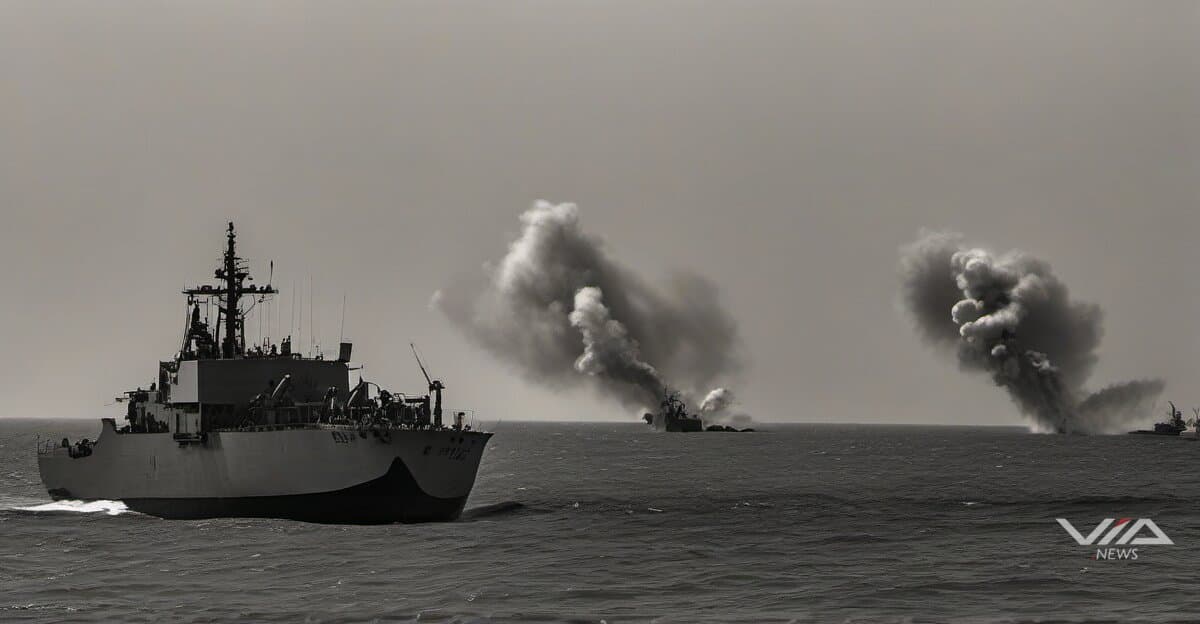
A nine-week closure of the Strait of Hormuz, triggered by the U.S.-Israel military strike on Iran in February 2026, has pushed U.S. gasoline above $4 per gallon and set off an energy shock the IMF's chief economist Pierre-Olivier Gourinchas says could rival the 1970s oil crisis.1
Global oil demand is recording its largest monthly decline in five years. Supply-shock inflation and demand destruction are hitting simultaneously — a rare and destructive combination. Petrochemical pain has spread from Asian manufacturing hubs into Western consumer markets, compressing margins across industrial supply chains.
The Strait of Hormuz handles roughly 20% of global oil trade. Nine weeks of closure forced tanker rerouting, extended delivery timelines, and drove up freight costs — amplifying the price shock well beyond spot crude moves.
Gourinchas warned the crisis could elevate unemployment and food insecurity in multiple countries, particularly among energy-import-dependent emerging economies.1 The IMF has flagged cascading macro consequences as the disruption persists.
Economist Justin Wolfers said the energy pain is structural, not cyclical. "If we don't get a satisfactory resolution, then that concern remains," Wolfers said, noting that expensive energy could persist for years without a diplomatic breakthrough.2 He added that the cost pressures on American consumers are "very real."2
The Federal Reserve is holding rates steady amid this stagflationary pressure. The central bank faces a constrained toolkit: raising rates would deepen housing and equity market pain; holding them risks entrenching inflation. The S&P 500 has fallen to yearly lows. The U.S. housing market is showing concurrent stress — median home prices hit a record $408,800 while sales volumes decline and inventory rises.
The macro setup mirrors the structural damage of the 1973 and 1979 oil shocks: persistent inflation, slowing growth, and a Fed with limited room to maneuver. Commodity desks are watching for any diplomatic signal from Tehran or Washington that could shift the supply calculus. Without resolution, Wolfers and Gourinchas both see the energy burden as a long-cycle risk, not a short-term spike.