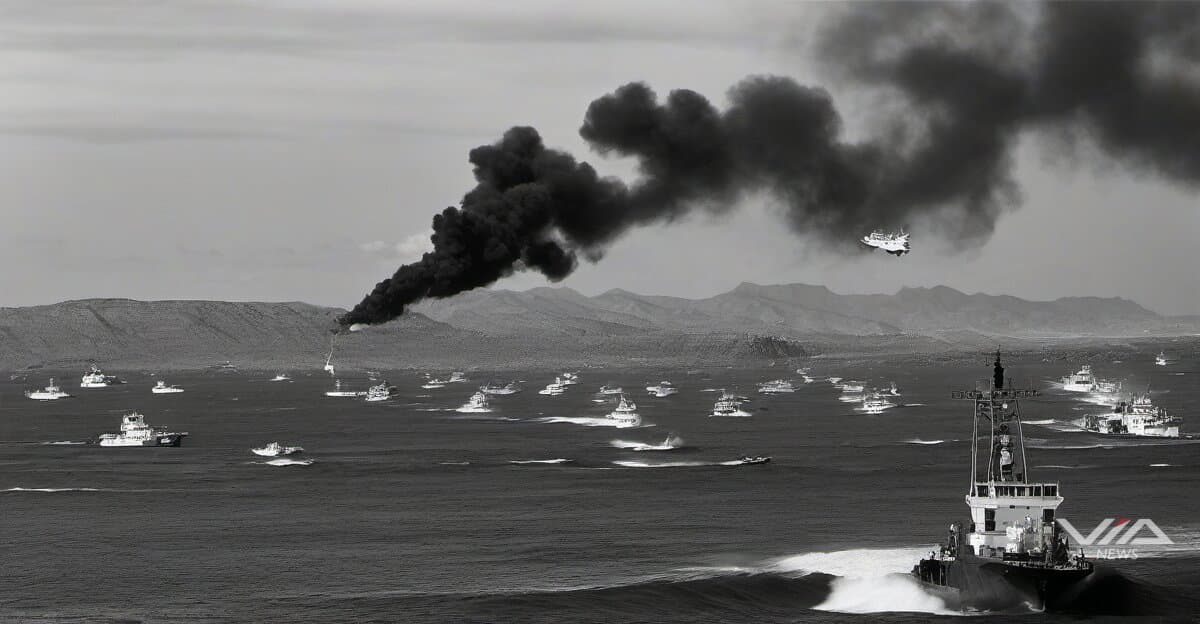
Crude oil prices surged above $100 per barrel on April 14, 2026, after President Trump threatened a blockade of the Strait of Hormuz in response to collapsed US-Iran negotiations.1 The strait handles roughly 20% of global oil shipments, making any disruption a direct threat to energy markets already navigating tight supply conditions.
The dollar strengthened on safe-haven demand as escalating US-Iran tensions sent investors seeking shelter from geopolitical risk.2 Treasury markets experienced volatile trading as conflicting forces collided—safe-haven buying pushed yields lower while inflation concerns from rising oil prices pressured them higher. This whipsaw action reflects the market's struggle to price both recession risk and commodity-driven inflation simultaneously.
The timing compounds existing monetary policy pressures. The Bank of Canada held rates at 2.25% as Federal Reserve officials delivered testimony on monetary policy, maintaining restrictive stances even as geopolitical risks mount. Central banks now face a complex calculus: energy price shocks could reignite inflation just as growth concerns intensify.
Currency markets showed clear stress patterns. The dollar's advance against risk currencies reflected classic flight-to-quality behavior, though the move creates headwinds for commodity importers and emerging markets with dollar-denominated debt. Financial conditions for Canadian consumers were already deteriorating before the latest crisis, according to recent consumer debt data.3
Interest rate volatility spiked as traders repriced both term premium and inflation expectations. The traditional negative correlation between stocks and bonds weakened as both assets faced selling pressure—equities on growth concerns, bonds on inflation fears. The Dow, S&P 500, and Nasdaq all trimmed earlier losses but remained negative as markets digested the geopolitical shock.1
Commodity markets beyond oil showed ripple effects. Gold attracted bidding as an inflation hedge, while industrial metals faced pressure from growth concerns. Energy equity volatility jumped as traders assessed which producers benefit from higher prices versus which face operational risks from Middle East exposure.
The crisis tests whether inflation or deflation becomes the dominant macro theme. Oil above $100 per barrel feeds through to gasoline, diesel, jet fuel, and petrochemical inputs within weeks. For central banks committed to restrictive policy, sustained energy price increases force difficult choices between fighting inflation and supporting growth.