
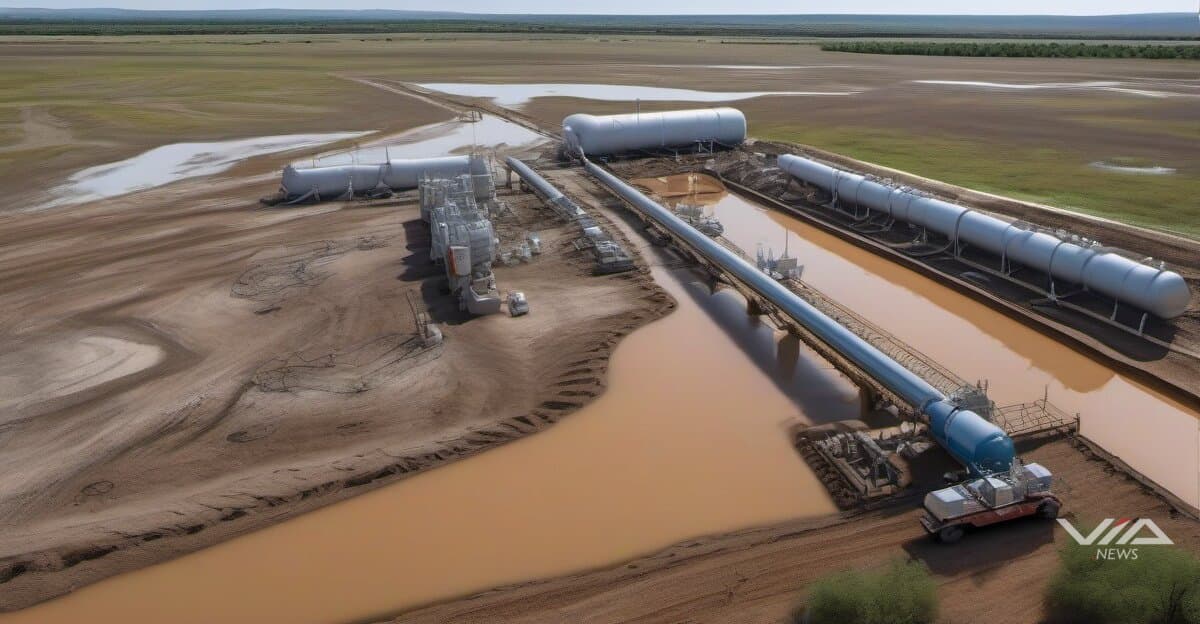
Shell's Kaikias field in the Gulf of Mexico is scheduled to begin water injection operations in January 2028, initiating secondary recovery designed to sustain production as natural reservoir pressure wanes. The project targets extended field life and production optimization at the deepwater asset located in the Mars Basin.
Waterflood operations inject water into the reservoir to maintain pressure and displace remaining oil toward production wells. Shell's investment reflects broader industry focus on enhanced recovery from mature fields rather than frontier exploration, particularly as operators face capital discipline demands and regulatory scrutiny of new developments.
Kaikias began production in 2019 as a subsea tieback to the Ursa production hub, 130 miles southeast of New Orleans in water depths exceeding 4,000 feet. The field initially delivered production through primary recovery, relying on natural reservoir pressure to drive hydrocarbons to the surface. Secondary recovery typically begins when production rates decline 20-40% from peak levels.
The timing aligns with typical field lifecycle economics for deepwater Gulf assets, where operators pursue waterflood projects 5-10 years after first production. These investments can recover an additional 10-20% of original oil in place, extending plateau production by 3-5 years and total field life by up to a decade.
Shell operates the Mars Basin corridor with substantial existing infrastructure, including the Olympus, Ursa, and Mars platforms. Waterflood capabilities at Kaikias leverage this network, reducing capital requirements compared to standalone developments. The approach maximizes returns from sunk infrastructure investments while maintaining Gulf production volumes as operators rationalize portfolios.
Secondary recovery projects carry execution risks including water breakthrough in production wells, corrosion management, and reservoir performance uncertainty. Operators must balance injection rates against reservoir response to optimize recovery without damaging well integrity or accelerating water production that reduces oil output.
The investment reflects commodity market dynamics favoring production reliability over growth. With oil prices fluctuating between $70-85 per barrel, extending existing field economics outweighs higher-risk exploration. Gulf of Mexico production contributes roughly 15% of U.S. crude output, making secondary recovery critical to maintaining domestic supply as shale growth moderates.