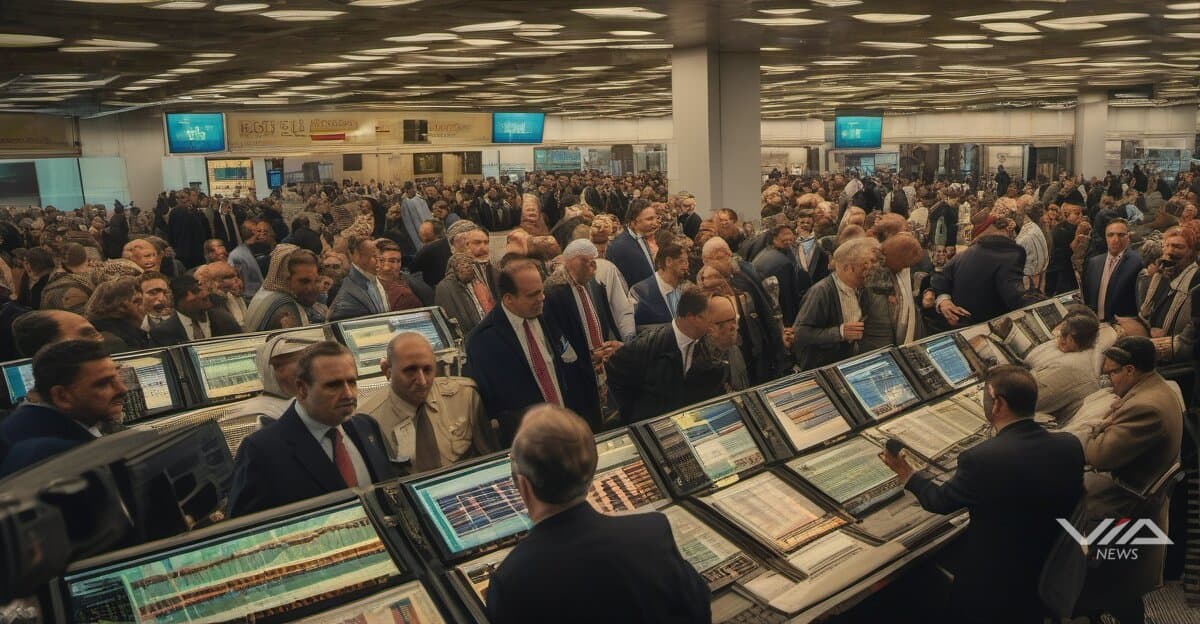
U.S. equity markets rallied sharply as investors bet on successful U.S.-Iran peace negotiations and softer inflation readings, shrugging off warnings from economists about a potential oil shock rivaling the 1970s energy crisis.1
Pierre-Olivier Gourinchas cautioned that "this oil crisis could rival that of the 1970s" and warned the disruption "could elevate unemployment and food insecurity in some countries."1 Despite these concerns, technology stocks and cryptocurrencies posted substantial gains as traders focused on deescalation signals from the Middle East.
Major financial institutions reported stronger-than-expected quarterly earnings, reinforcing market optimism. The positive results suggest banks remain resilient amid geopolitical turbulence and oil price volatility stemming from Middle East conflict.
"The absence of pain set off this latest market run and the technicals support stocks and bonds rallying further," said Steven Blitz, though he added that "once the impact of the war is clearer, one more reassessment of the outlook will be in order."2
Oil markets remain the key wildcard. Prices have fluctuated dramatically as traders weigh supply disruption risks against hopes that diplomatic efforts will prevent broader regional escalation. The 1970s comparison carries weight: those oil shocks triggered stagflation, recessions, and lasting structural changes to global energy markets.
Technology sector strength reflects investor confidence that any oil crisis will be contained or short-lived. Crypto assets rallied in tandem, suggesting risk appetite remains elevated despite macroeconomic uncertainty. The divergence between market performance and economist warnings highlights the current tension between short-term sentiment and longer-term structural risks.
Meanwhile, artificial intelligence partnerships in pharmaceutical development and energy infrastructure have emerged as bright spots, with companies positioning AI tools to address both healthcare innovation and energy efficiency challenges.
Bank earnings revealed solid loan growth and stable credit quality, indicating the financial sector has not yet seen meaningful deterioration from geopolitical stress. Net interest margins held steady as interest rate expectations shifted with new inflation data.
Investors now face competing narratives: immediate market relief from deescalation hopes versus potential medium-term damage from oil supply disruptions. The next reassessment will depend on whether diplomatic progress continues or Middle East tensions reignite.