
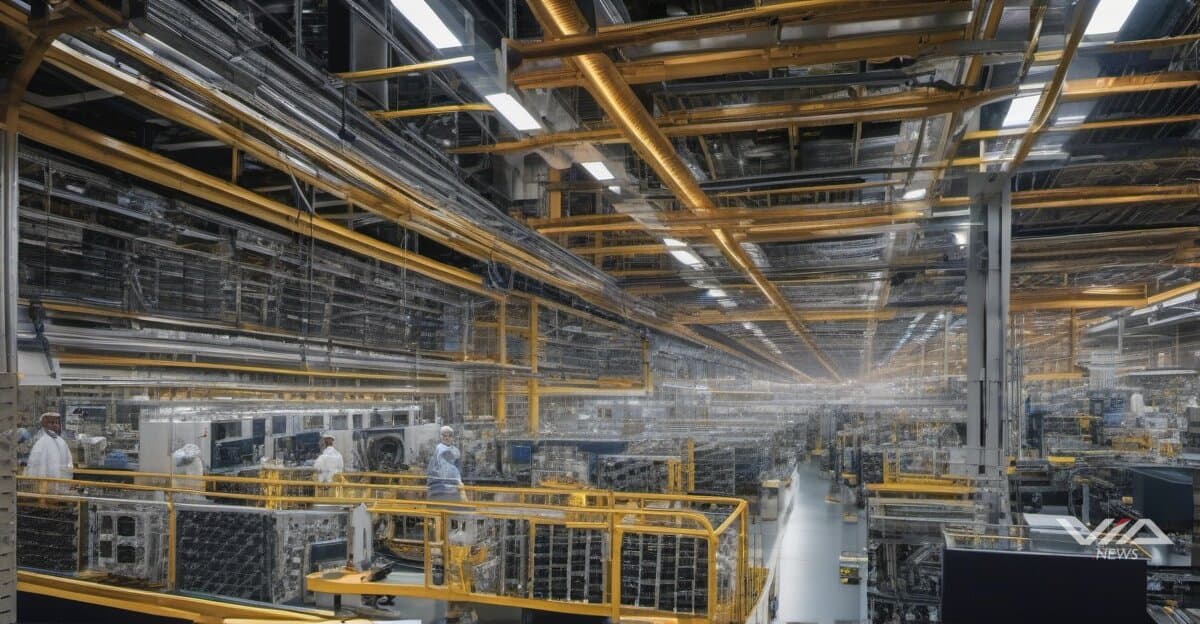
Amkor Technology, the world's largest U.S.-headquartered outsourced semiconductor assembly and test (OSAT) provider, is repositioning its packaging services portfolio as hyperscalers triple AI chip orders. The shift reflects broader semiconductor supply chain realignment toward data center, automotive AI, and AR/XR applications.
ams OSRAM has secured over €500 million in design wins for its Digital Light technology, targeting automotive and extended reality markets. The photonics specialist is divesting legacy lighting assets to concentrate capital on high-margin optical semiconductors tied to AI-driven sensing and display applications.
Cirrus Logic forecasts Q4 fiscal 2026 GAAP gross margins between 51% and 53%, reflecting improved pricing power as audio chipmakers capture share in AI-enabled devices. SiTime's acquisition of Renesas' timing business is expected to be earnings-accretive in year one, consolidating the precision timing segment critical to 5G and edge AI infrastructure.
Cisco unveiled its Silicon One G300 networking chip, designed for open, standards-based AI cluster networking. "AI at scale demands open, standards-based networking that customers can deploy with confidence across diverse environments," said Yousuf Khan, Cisco executive.
This semiconductor restructuring unfolds as macro headwinds intensify. Bitcoin dropped below key support levels while gold hit record highs, signaling flight-to-safety sentiment. Trump administration proposals to cap credit card interest rates at 10% and ban institutional investors from single-family home purchases threaten to redirect capital away from growth equities, including chip stocks.
NVIDIA, AMD, and Broadcom maintain strength in AI accelerator and networking markets, underpinning bullish sentiment for suppliers with direct AI exposure. Traditional automotive and consumer semiconductor segments face near-term softness as inventory corrections persist.
Chinese tech policy acceleration adds complexity. Beijing's push for domestic semiconductor self-sufficiency is driving local foundry and equipment investment, intensifying competition for OSAT and packaging market share.
Investors are favoring companies with quantifiable AI revenue streams and improving margins over diversified players exposed to cyclical auto and industrial end-markets. The bifurcation is stark: AI-focused chip suppliers trade at premium multiples while legacy vendors face multiple compression despite balance sheet optimization.