
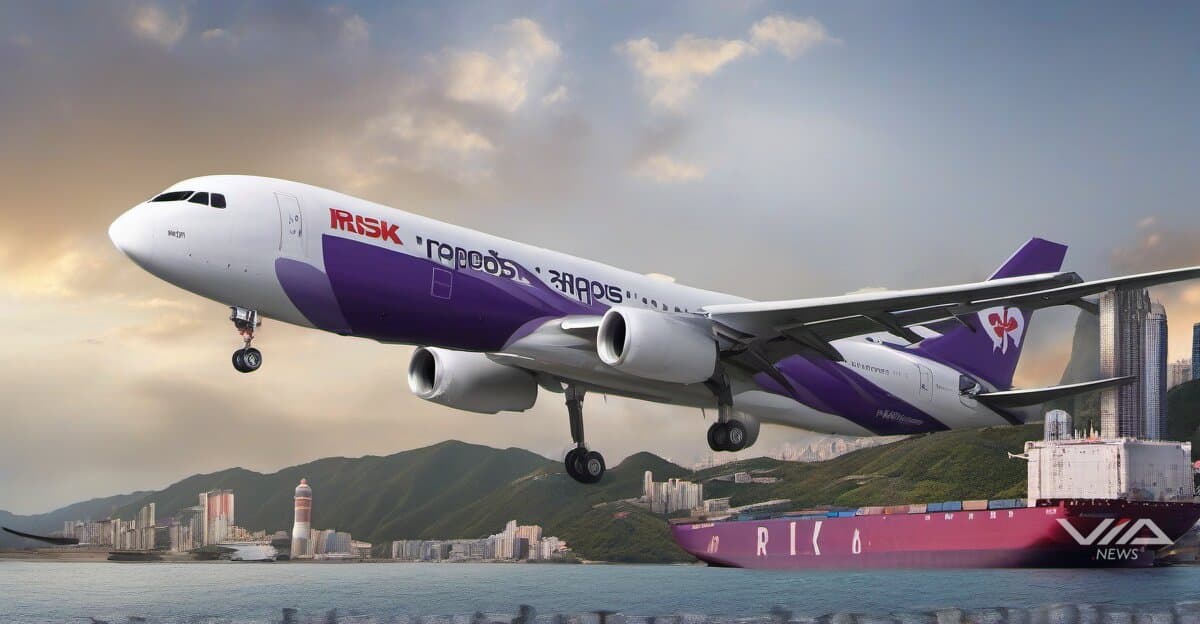
Great Vision HK Express is experiencing a 50% collapse in transpacific shipping volume, creating what analysts classify as a catastrophic revenue threat to the China-North America logistics provider.
The e-commerce freight forwarder faces simultaneous pressure from plummeting container volumes and lost air cargo capacity on its core trade routes. This dual shock threatens the company's financial viability, according to a risk assessment conducted March 7, 2026.
Transpacific shipping lanes have emerged as the epicenter of global supply chain stress. Great Vision HK Express built its business model on China-to-North America e-commerce flows, making it particularly exposed to the current downturn.
The 50% volume decline reflects broader shifts in consumer spending and inventory management. U.S. retailers slashed orders from Chinese suppliers after overstocking in prior quarters. E-commerce demand has normalized from pandemic peaks, removing a key growth driver for cross-Pacific logistics operators.
Air cargo capacity constraints compound the revenue pressure. Airlines reduced freighter flights on Pacific routes as fuel costs rose and demand weakened. Freight forwarders like Great Vision HK Express depend on available belly cargo space and dedicated freighters to serve time-sensitive e-commerce shipments.
Analysts rate the likelihood of severe financial impact as high, with 70% confidence in their assessment. The company operates in freight forwarding, where thin margins leave little buffer against volume shocks.
Chinese logistics firms face additional headwinds from geopolitical tensions affecting trade flows. Tariff uncertainty and supply chain diversification efforts have pushed some importers toward alternative sourcing in Southeast Asia and Mexico.
The crisis at Great Vision HK Express illustrates the fragility of logistics companies concentrated on single trade corridors. Competitors with diversified geographic exposure and service offerings maintain better resilience during regional downturns.
Industry observers watch for potential consolidation as weaker players struggle. Freight forwarding markets typically see merger activity spike during volume contractions, as larger operators acquire distressed competitors at discounted valuations.
The transpacific route disruption carries broader implications for U.S. retailers expecting spring inventory. Reduced logistics capacity could create bottlenecks even as overall volumes decline, pushing up spot rates for remaining shippers.