
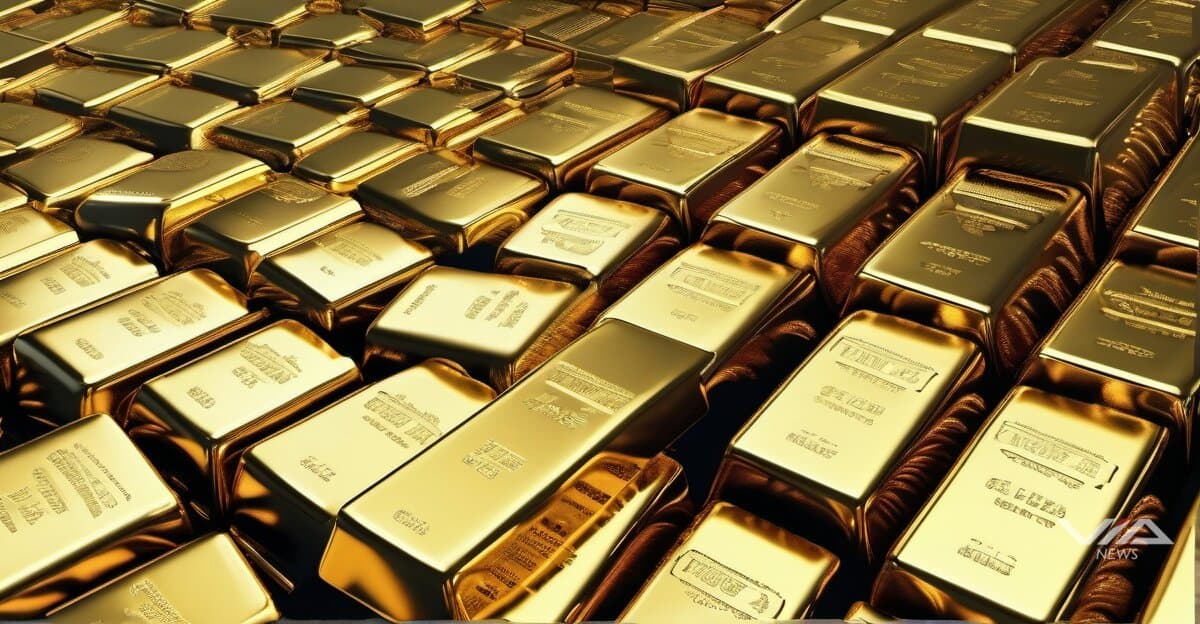
Gold futures hit $4,200 per ounce in November 2026, surpassing all-time highs more than 50 times this year and posting the best annual performance since 1979. The surge creates a clear divergence between precious metals and risk assets as investors rotate into safe havens.
Nvidia dropped 12% during the same period while the Nasdaq ended a seven-month winning streak, illustrating the flight from technology stocks. Market analyst Michele Schneider attributes gold's strength to "tremendous deficit, tremendous government spending, and tremendous central bank buying."
The commodities rally presents trading opportunities for investors positioning between defensive and growth assets. Bitcoin's 19% November decline suggests cryptocurrencies are losing their alternative asset status, pushing traditional safe-haven flows back to precious metals.
Mining giants are capitalizing on the bull market. Rio Tinto is pursuing a potential merger with Glencore while Vale launches new mining projects. Uranium Energy continues monitoring Anfield Energy's capital requirements, signaling strategic positioning in critical minerals.
The antimony mineral market is experiencing significant growth driven by flame retardant demand, according to IntelMarket Research. Critical minerals outlook remains robust through the decade as energy transition accelerates.
Oil prices are inching higher, which could push gas prices up despite seasonal lows, according to analyst Patrick De Haan. The energy-metals correlation adds complexity to commodities trading strategies.
The gold-tech divergence reflects broader market volatility as investors reassess risk exposure. Central bank buying programs support gold's floor while deficit spending concerns limit downside. Traders are using the spread between commodities and equities to structure pairs trades and hedge equity exposure.
The 1979 comparison carries weight: that year saw gold surge during stagflation fears and geopolitical uncertainty. Current macro conditions mirror those drivers with persistent deficits and elevated government spending creating similar safe-haven demand.
Mining sector consolidation suggests industry leaders expect sustained high prices. The Rio Tinto-Glencore merger would create significant market concentration in base metals and coal, positioning the combined entity for the energy transition.