
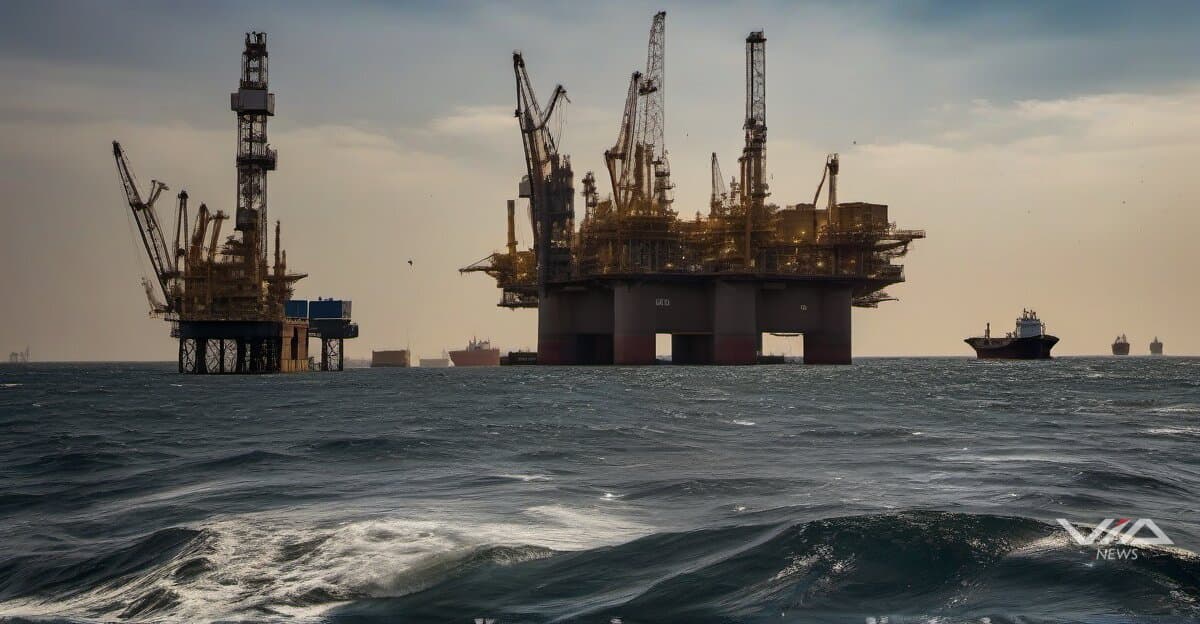
The Hormuz blockade has removed approximately 20 million barrels per day from global oil markets, according to MacroEdge Research. The disruption represents the largest supply shock ever measured.
WTI crude prices jumped sharply as Oil VIX elevated to crisis levels. The US has signaled a four-to-five-week military campaign to resolve the situation, according to analyst Nikos Tzabouras.
"Any geopolitical situation that can affect the price of oil is what will have the largest impact on the financial markets," said Scott Wren, noting both Middle East and Ukraine/Russia situations as key drivers. "Clearly both the Middle East and the Ukraine/Russia situations can impact oil prices."
Sustained high energy prices may trigger reflationary pressures against a global economy already facing tariff headwinds, Tzabouras warned. The supply disruption tailwind could flip to a demand destruction headwind if crude maintains elevated levels.
Traders are repositioning into defensive commodity plays as hedge strategies. CF Industries gained attention as investors bet on agricultural input demand amid energy-intensive fertilizer production costs. Mining stocks including Agnico Eagle and Teck Resources attracted flows as safe-haven commodity exposure.
The oil volatility spike is reshaping market positioning across energy and industrial sectors. Energy stocks initially rallied on price momentum but face downside risk if demand weakens. Chemical and transport sectors confronting margin pressure from input costs saw selling.
Market participants are watching weekly petroleum inventory data and SPR release signals for supply relief indicators. Options markets show elevated demand for crude puts at $90-100 strikes, suggesting traders are hedging against either resolution-driven price collapse or demand destruction scenarios.
The crisis exposes vulnerabilities in global energy infrastructure concentrated through the Strait of Hormuz chokepoint. Roughly 21% of global petroleum liquids pass through the strait during normal operations, making any disruption systemically significant for commodity markets and inflation expectations.
Commodity market positioning now reflects bifurcated views: bulls betting on sustained supply constraints versus bears anticipating demand erosion from high prices. The four-to-five-week military timeline creates a defined catalyst window for resolution or escalation.