
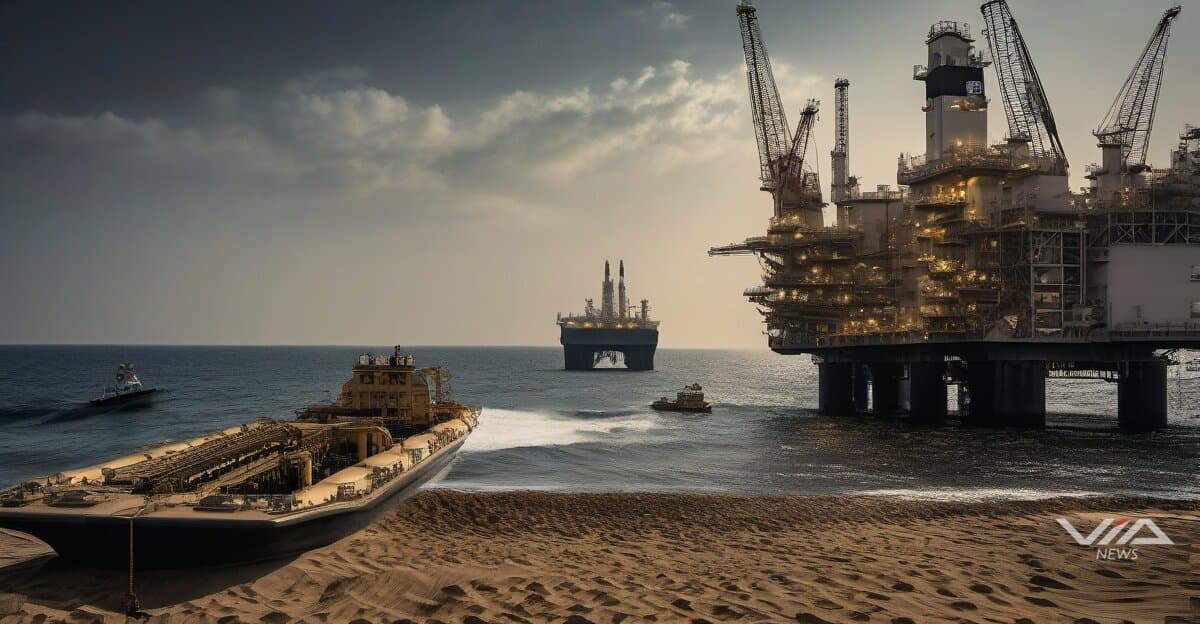
The Hormuz blockade has removed approximately 20 million barrels per day from global oil markets, according to MacroEdge Research—the largest supply disruption ever recorded. WTI crude prices have surged in response, while Oil VIX volatility has spiked to levels not seen since previous Middle East crises.
The supply shock extends beyond energy markets. CF Industries faces elevated fertilizer production costs tied to natural gas prices, which track crude movements. Aluminum futures have jumped on fears of industrial demand destruction and input cost inflation. Cocoa prices continue their volatile trajectory as agricultural commodity traders reassess supply chain risks.
"Any geopolitical situation that can affect the price of oil is what will have the largest impact on the financial markets," said Scott Wren, analyst covering Middle East and Ukraine/Russia oil price risks. "Clearly both the Middle East and the Ukraine/Russia situations can impact oil prices."
Trading desks are repositioning rapidly. Commodity volatility has triggered flows into defensive mining equities including Agnico Eagle and Teck Resources, as investors seek exposure to hard assets insulated from energy price shocks. Farmland investments have attracted renewed interest as an alternative commodity hedge against inflation and geopolitical instability.
The oil supply shock creates direct trading implications across multiple commodity sectors. Energy traders are long WTI crude and monitoring Brent spreads for arbitrage opportunities. Agricultural commodity traders face margin compression from higher input costs—diesel, fertilizer, and transport all track crude prices. Industrial metals traders are caught between supply-side inflation and demand-side recession fears.
Options markets reflect the uncertainty. Oil VIX elevated readings indicate traders are paying premium prices for downside protection. Soft commodity options show elevated implied volatility as cocoa, coffee, and sugar markets factor in geopolitical risk premiums.
The Hormuz chokepoint normally handles about 21 million barrels daily, making this near-total disruption. Previous partial closures or threats have moved oil prices 10-20% within days. The current blockade represents a complete supply cutoff from Persian Gulf producers, forcing Asian buyers to source from Atlantic Basin suppliers at significant transport cost premiums.
Traders should monitor White House statements on military intervention, OPEC spare capacity deployment, and Strategic Petroleum Reserve release announcements. Each development will trigger rapid repricing across the commodity complex.