
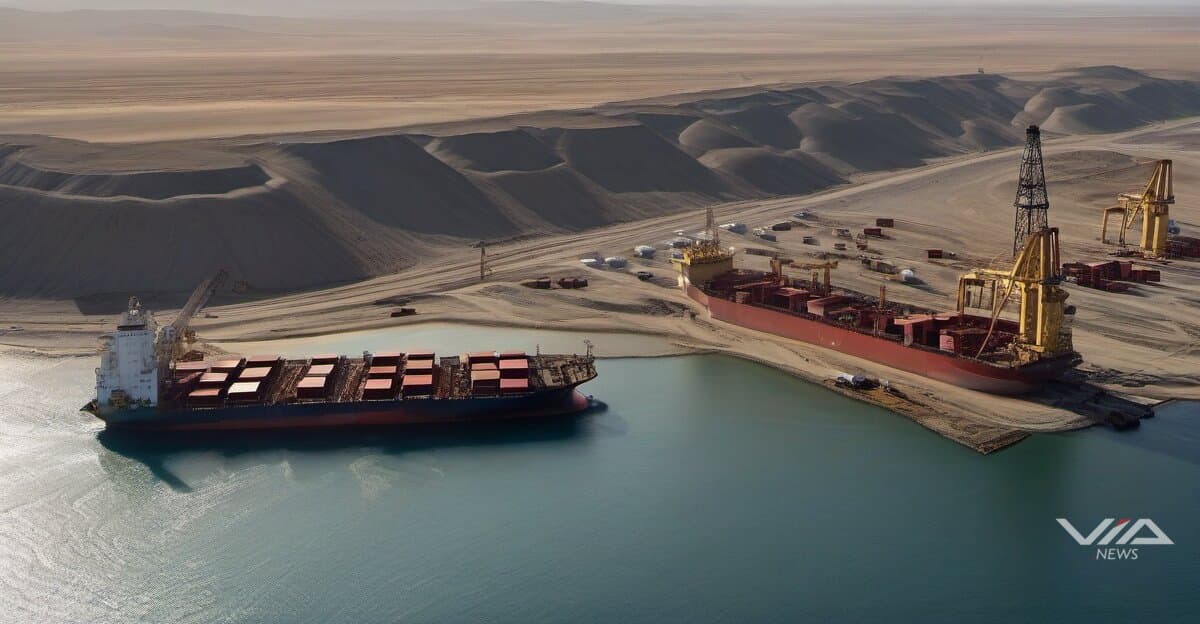
The Strait of Hormuz blockade has removed 20 million barrels per day from global markets, the largest supply disruption ever measured, according to MacroEdge Research. Crude prices jumped sharply and the Oil VIX volatility index spiked as traders priced in sustained supply tightness.
The US has signaled a four-to-five-week campaign, creating a defined timeline for oil market volatility. Energy stocks rallied on the supply shock, with commodity-focused ETFs attracting inflows as investors hedge against further price spikes.
"Any geopolitical situation that can affect the price of oil is what will have the largest impact on the financial markets," said Scott Wren, referring to both Middle East tensions and Ukraine-Russia dynamics. "Clearly both situations can impact oil prices."
Trading opportunities are emerging across the energy complex. Oil majors and exploration stocks are benefiting from higher realized prices. Commodity ETFs tracking energy and broader materials are seeing increased volume. Rare earth metals and agricultural investments are drawing capital as investors seek inflation hedges beyond crude.
The rally carries risk. "Supply disruption tailwind could ultimately turn into a demand destruction headwind," warned Nikos Tzabouras. Sustained high energy prices may trigger reflationary pressures that weigh on global growth already facing tariff headwinds.
Traders are watching two outcomes. If the campaign resolves within five weeks, supply could normalize and volatility premiums compress. Extended conflict would keep prices elevated but raise recession odds as high energy costs cut consumer spending and industrial activity.
Volatility strategies are active. Options on energy ETFs show elevated implied volatility. Calendar spreads reflect uncertainty about conflict duration. Commodity funds are adding positions in natural gas and refined products to capture spillover from crude disruption.
The supply shock is reshaping sector rotation. Defensives and commodities are outperforming growth stocks as investors position for inflation risk. Resource-focused portfolios are gaining attention as geopolitical risk premiums widen across energy markets.
Near-term trading favors energy exposure and volatility hedges. The four-to-five-week timeline provides a window to capture elevated prices. Demand destruction risk requires stop-loss discipline if crude sustains triple-digit levels long enough to dent consumption.