
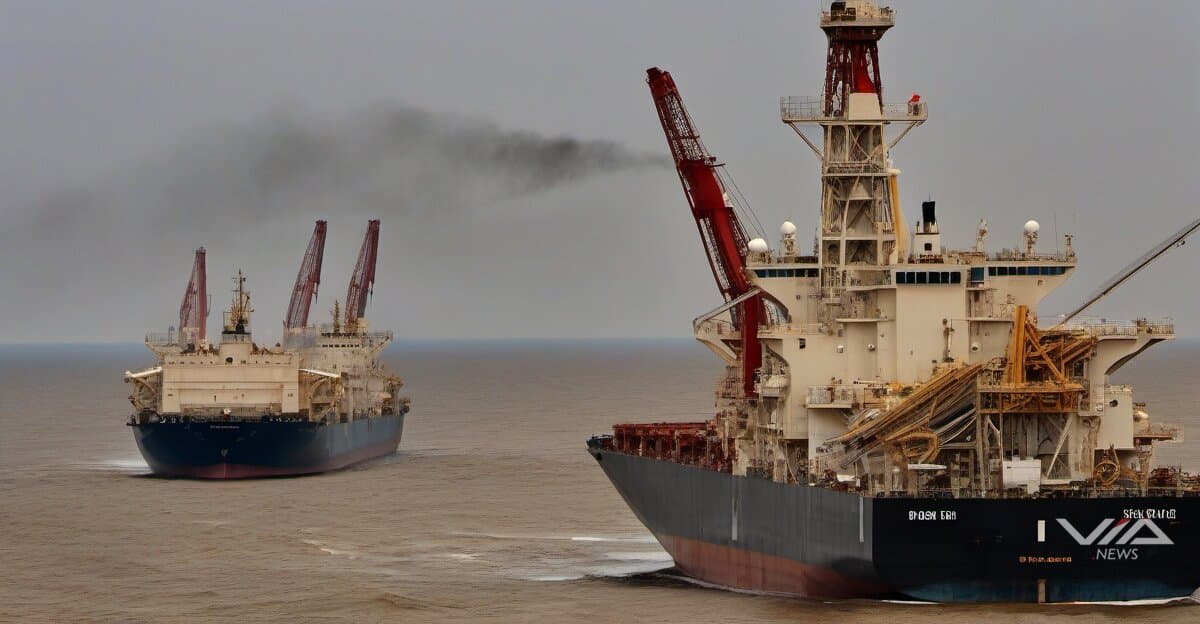
The Hormuz blockade has removed 20 million barrels per day from global oil supply, according to MacroEdge Research. The disruption is pushing central banks to delay monetary easing into late 2026.
The Bank of England held rates at 3.75% despite market pressure for cuts. Federal Reserve Bank of Atlanta President Raphael Bostic sees price pressures persisting through mid to late 2026, eliminating near-term rate cut expectations.
UK mortgage lenders are responding to the inflation shift. "We are now seeing the first big name lender moves begin to feed through," said David Hollingworth, mortgage analyst. Major UK banks are raising fixed-rate mortgage products as they price in extended high-rate environments.
The conflict in the Middle East has created market expectations of sustained inflationary pressure, Hollingworth noted. Oil supply disruptions translate directly into energy costs across manufacturing, transportation, and consumer goods.
Trading Implications
Energy traders are positioning for extended volatility. Crude oil futures show steep contango, pricing in current scarcity with expectations of eventual supply restoration. Options markets reflect heightened uncertainty around Middle East conflict duration.
Rate-sensitive sectors face pressure. UK homebuilders and consumer discretionary stocks are repricing as mortgage affordability deteriorates. Banking stocks gain from sustained net interest margins but face headwinds from reduced lending volumes.
Inflation hedges are attracting capital. Treasury Inflation-Protected Securities (TIPS) and commodities beyond oil—including industrial metals and agricultural products—are seeing inflows as investors position for broader price increases.
Market Outlook
The correlation between crude prices and central bank policy creates a feedback loop. Higher oil prices delay rate cuts, which sustains stronger currencies that partially offset commodity price increases in local terms.
Traders are monitoring three data points: monthly UK and US inflation readings, mortgage rate changes following central bank meetings, and meeting minutes for energy-related policy language.
The 20 million barrel daily shortfall represents roughly 20% of global oil consumption. Historical precedents suggest supply disruptions of this magnitude require 6-12 months to resolve through alternative routing, strategic reserve releases, or conflict de-escalation.
Currency markets are pricing in divergent paths. The dollar strengthens on delayed Fed cuts while sterling faces pressure from stagflation risks—higher inflation with limited growth momentum.