
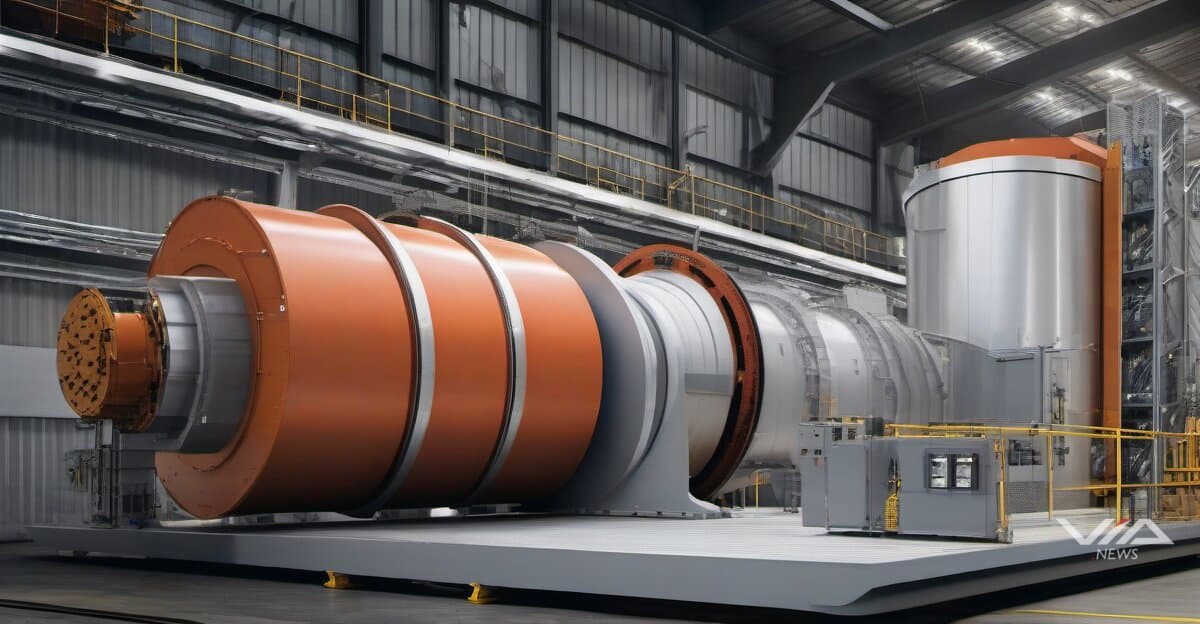
MP Materials aims to commission its 10X magnet manufacturing facility in 2028, scaling annual output from 1,000 to 10,000 metric tonnes. The Fort Worth, Texas expansion represents the largest planned increase in Western rare earth magnet capacity this decade.
The company currently operates the only integrated rare earth mining and processing site in North America at Mountain Pass, California. Current production serves niche defense and industrial applications. The tenfold increase targets electric vehicle motors, wind turbines, and military systems.
Rare earth permanent magnets require neodymium, praseodymium, dysprosium, and terbium—elements where China controls 90% of global refining capacity. MP Materials' vertical integration from mine to magnet reduces supply chain exposure. The company extracts concentrate at Mountain Pass, processes oxides domestically, and will manufacture finished magnets in-house by 2028.
Market implications split across commodity and equity channels. Increased magnet supply could pressure neodymium-praseodymium oxide prices, which spiked to $160,000 per tonne in 2022 before settling near $50,000. Sustained production at 10,000 tonnes annually equals roughly 15% of current global magnet output, sufficient to move pricing if Chinese producers don't curtail supply.
Equity traders are watching rare earth miners and magnet consumers. Lynas Rare Earths and Energy Fuels compete in Western supply chains. Tesla, Rivian, and General Motors face magnet procurement constraints that limit EV scaling. Defense contractors Lockheed Martin and Raytheon depend on magnets for guidance systems and actuators.
The 2028 timeline carries execution risk. Magnet manufacturing requires sintering furnaces, coating lines, and quality control systems that have caused delays at other facilities. MP Materials hasn't disclosed capital expenditure for the 10X buildout, though comparable projects run $400-600 million.
Commissioning aligns with Inflation Reduction Act incentives for domestic EV supply chains. Automakers securing U.S.-sourced magnets gain tax credit eligibility, creating offtake demand before the facility starts. Forward contracts could lock pricing and validate the investment case ahead of first production.