
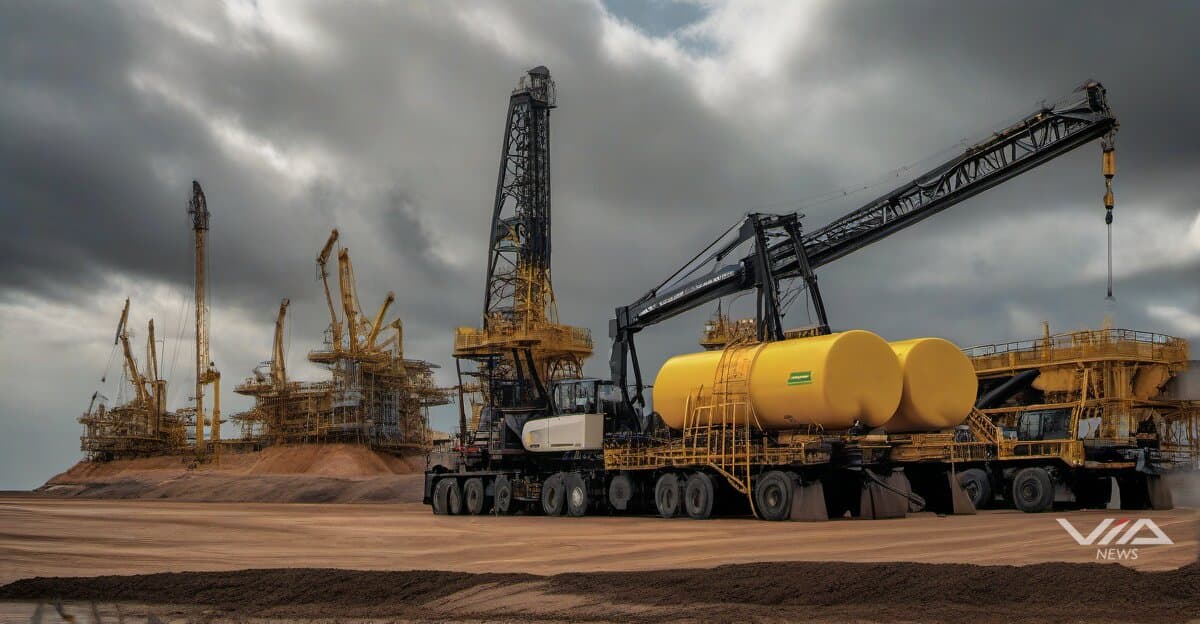
Petrobras has allocated $109 billion to pre-salt development between 2026-2030, but accelerated energy transition could render these deepwater investments uneconomic before projects reach payback.
The Brazilian state oil company faces technological risk from demand destruction outpacing International Energy Agency base-case forecasts. Pre-salt projects require 10-15 year development horizons, locking capital into assets that may compete poorly if crude prices collapse below deepwater breakevens.
Deepwater pre-salt production costs $35-45 per barrel, higher than Middle East conventional fields at $10-20. If transition policies or technology breakthroughs accelerate electric vehicle adoption and industrial electrification beyond current IEA Net Zero 2050 pathways, high-cost barrels get squeezed first.
The company keeps most capital deployed in ongoing pre-salt expansion despite the tail risk. Projects sanctioned in 2026-2027 won't reach peak output until 2035-2040, exposing returns to two decades of demand uncertainty.
Brazil's offshore fields hold 10-15 billion barrels of recoverable reserves, making pre-salt the nation's economic anchor. Stranded asset scenarios would devastate government revenues and export balances, but also reshape global oil supply curves.
Risk assessment assigns catastrophic severity with low likelihood and 70% confidence. The probability remains low because IEA forecasts show oil demand plateauing in 2030s rather than collapsing, and deepwater projects can adjust pace.
However, decade-long capital cycles create asymmetric exposure. Solar and battery costs have dropped 90% since 2010, faster than most models predicted. Similar acceleration in transport electrification or synthetic fuel adoption could flip economics quickly.
Investors face binary outcomes: either pre-salt generates cash through 2040s as planned, or billions in sunk costs produce oil nobody wants at profitable prices. Marginal barrel economics determine which high-cost producers survive demand contraction.
Petrobras hasn't disclosed stranded asset provisions in recent financials, treating energy transition as long-term scenario rather than near-term valuation risk. That gap between project lifecycles and transition timelines defines the strategic gamble.