

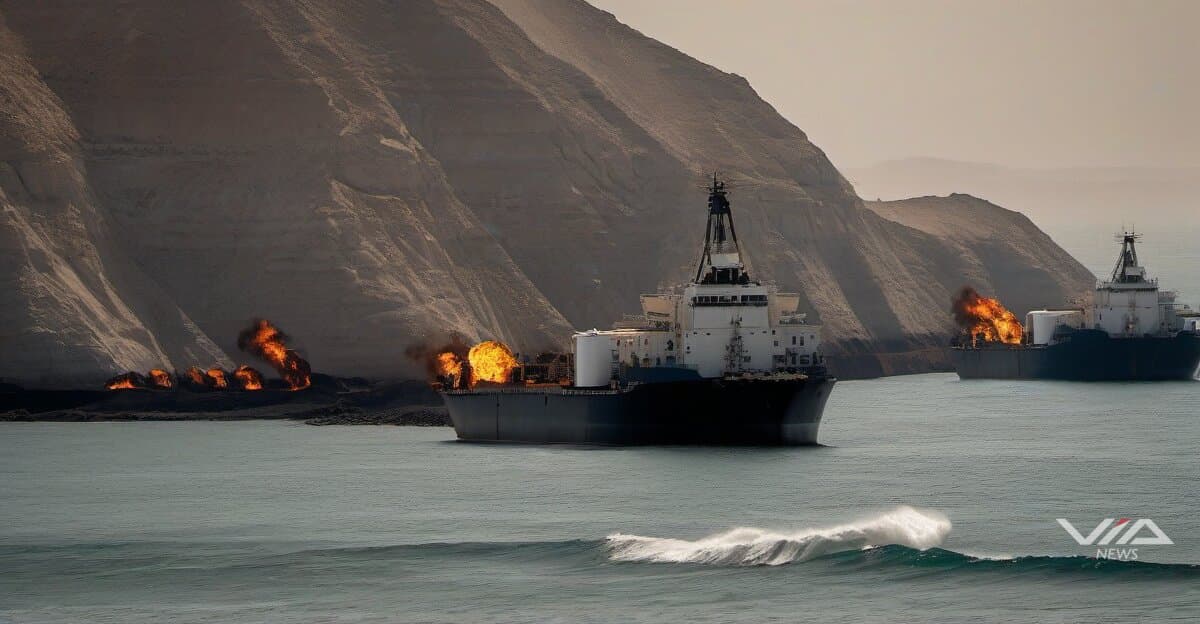
US gasoline hit $4/gallon after a nine-week Strait of Hormuz closure triggered the largest monthly oil demand decline in five years.
The February 2026 US-Israel strike on Iran set off the crisis. The Strait of Hormuz — a critical chokepoint for global crude flows — shut for nine weeks. IEA emergency inventory releases cushioned but did not contain prices. Petrochemical industries contracted first across Asia, then spread into Western consumer markets.
Economists are drawing direct comparisons to the 1970s oil shocks. IMF chief economist Pierre-Olivier Gourinchas warned the crisis could rival that decade's disruptions and elevate unemployment and food insecurity across multiple countries.1
University of Michigan economist Justin Wolfers said cost pressures on Americans are real. His direct warning: "If we don't get a satisfactory resolution, then that concern remains." Wolfers added that expensive energy could persist for years without conflict resolution.2
The Federal Reserve held rates steady amid stagflationary pressure. The S&P 500 fell to yearly lows. Stagflation — rising prices alongside slowing growth — limits the Fed's room to cut rates and stimulate demand.
Energy traders now face a market where supply shocks and demand destruction are colliding simultaneously. Gasoline at $4/gallon historically triggers behavioral shifts: miles driven fall, consumers delay purchases, and discretionary spending contracts. These are classic demand destruction signals that precede broader economic slowdowns.
The petrochemical contraction adds downstream risk. Plastics, fertilizers, and industrial chemicals all rely on oil feedstocks. As Asian production scales back, supply chain effects will reach Western retailers in coming months.
For commodity markets, the structural setup remains volatile. High prices destroy demand — the ceiling mechanism. But Hormuz uncertainty keeps supply-side floors elevated. Bulls and bears both hold structural arguments.
Whether $4/gallon becomes a new floor or a temporary peak hinges on one variable: Middle East conflict resolution. Both Gourinchas and Wolfers anchored their worst-case scenarios to that condition remaining unmet.1,2