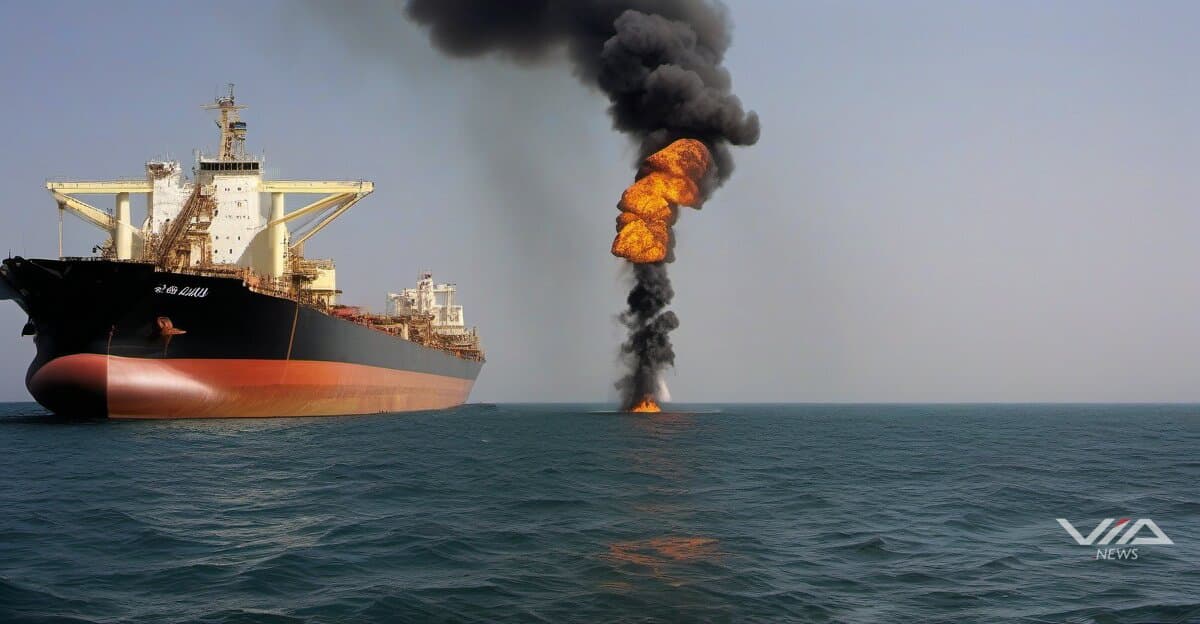
A U.S.-Iran military conflict blocking the Strait of Hormuz has triggered an oil price spike that pushed monthly inflation up 0.9%. IMF Chief Economist Pierre-Olivier Gourinchas warned the shock could rival the 1970s oil crisis.1
The Strait carries roughly 20% of global oil supply. Disruption there transmits directly to energy costs worldwide, compressing margins for businesses and squeezing household budgets simultaneously.
The Federal Reserve now faces a stagflation trap. Cutting rates risks stoking inflation further. Holding them steady deepens an already-softening economic slowdown. Neither path is clean.
Economist Justin Wolfers said the cost pressures Americans are feeling are very real.2 His warning on duration is sharper: "If we don't get a satisfactory resolution, then that concern remains."2 Expensive energy could persist for years if the conflict drags on.
Gourinchas added that the shock risks elevating unemployment and worsening food insecurity across multiple countries.1 Those outcomes describe stagflation — high inflation combined with stagnant growth — the condition that proved most resistant to monetary policy in the 1970s and took years to break.
Equity markets are reflecting that uncertainty. Stocks have swung between yearly lows and all-time highs as investors weigh two scenarios: a short conflict that lets oil normalize and the Fed resume cuts, or a protracted one that locks in elevated energy costs and forces a harder policy reckoning.
Professional services firms are not waiting for resolution. KPMG, EY, and the Big Four broadly are accelerating layoffs and offshoring, absorbing margin pressure from higher input costs. White-collar job losses are adding to the labor market softening — enough for the Fed to hold rates, not enough to justify cuts while inflation runs hot.
Trump's administration has taken a defensive stance on economic policy. Households and businesses are absorbing the shock with limited fiscal relief in sight.
For commodity traders, the Strait remains the single variable. A reopening returns pricing power to the Fed. A prolonged blockage spreads oil volatility into equities, credit, and consumer spending — a 1970s replay that current market valuations have not fully discounted.