
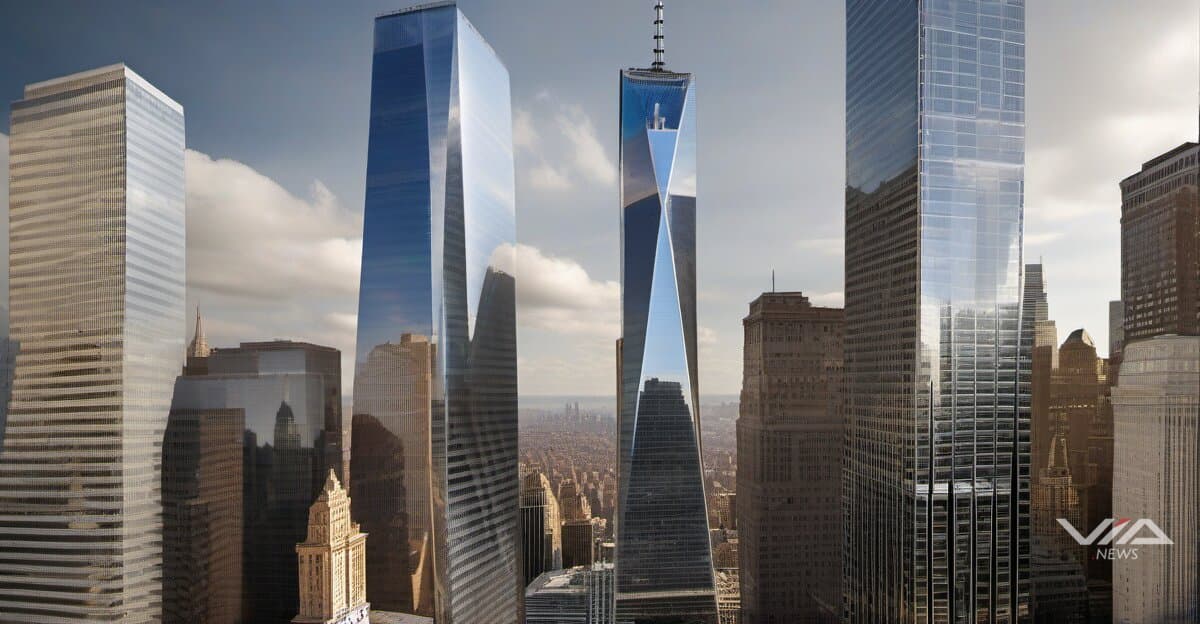
American Express plans to occupy 2 World Trade Center by January 2031, marking a major corporate commitment to the redevelopment of Lower Manhattan's financial district. The company expects to begin welcoming employees to the new building as anchor tenant.
The World Trade Center site has been under gradual reconstruction since the September 11 attacks. Tower 2 remains one of the final pieces of the complex to reach completion, having faced repeated delays due to lack of major tenant commitments.
American Express's decision signals confidence in the return-to-office movement among financial services firms. The company joins other major financial institutions maintaining substantial physical presence in New York's traditional business districts despite hybrid work trends.
The move carries implications for the commercial real estate market in Lower Manhattan. Major corporate relocations or expansions into new developments typically influence rental rates and occupancy patterns across competing properties in the surrounding area.
Financial services companies have shown divergent strategies on office space. While some firms have consolidated footprints, others like American Express are investing in modern facilities designed to attract employees back to physical workspaces.
The World Trade Center complex has become a premium office destination since its reconstruction. Towers 1, 3, and 4 house tenants including Condé Nast, GroupM, and major financial institutions, with asking rents reflecting the properties' Class A status.
American Express currently maintains its headquarters at 200 Vesey Street in Lower Manhattan. The company's operational structure and whether the 2 World Trade Center location represents an expansion or consolidation remains to be clarified.
The 2031 timeline gives developers approximately six years to complete construction. This extended window reflects the scale of infrastructure required for a modern commercial tower designed to house thousands of employees with advanced building systems and amenities.
Investor attention on commercial real estate in Manhattan centers on occupancy rates and major lease commitments. American Express's backing provides tangible demand signal in a market where remote work has created uncertainty about long-term office space requirements.