
Huntington Ingalls Industries (HII) signed a memorandum of understanding with Path Robotics to deploy AI-powered robotic welding in naval shipbuilding. The partnership marks the first time a major U.S. shipbuilder has committed to platform-level automation for military vessels.
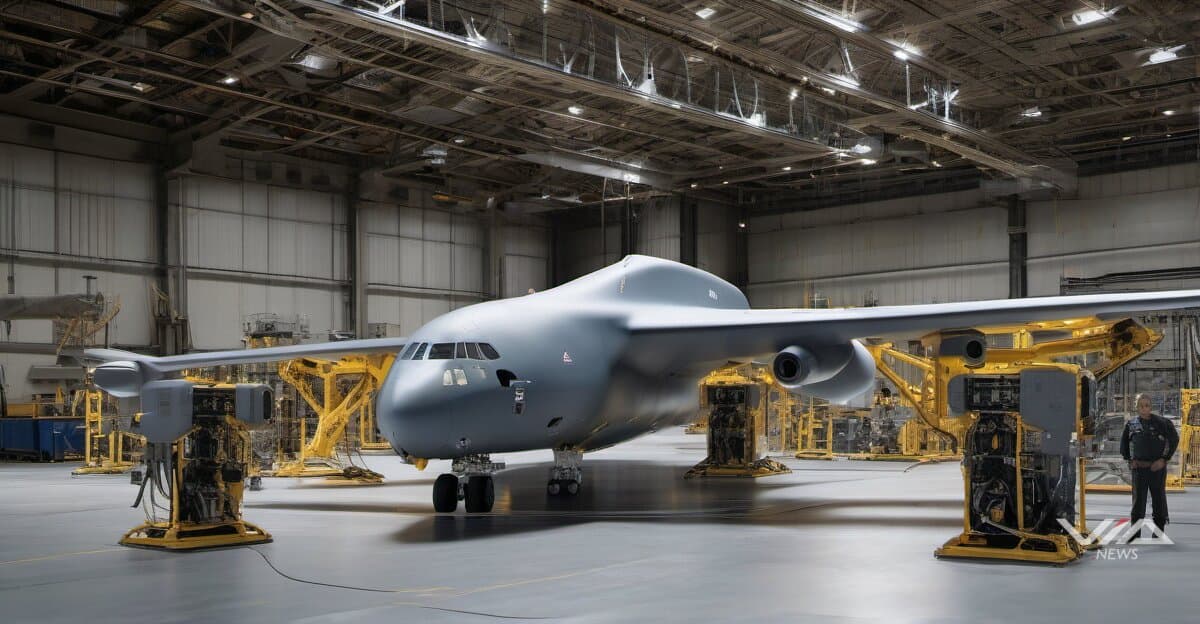
Curtiss-Wright secured a contract with Boeing to supply AI-enabled mission computers for the C-17 Globemaster III fleet. The systems will integrate advanced autonomous flight management capabilities into the military transport aircraft.
Path Robotics raised over $300 million in recent funding, valuing the autonomous welding company at a level that reflects defense sector demand. The company's technology automates complex welding tasks that previously required skilled human operators.
Defense contractors are shifting physical AI from experimental programs to operational platforms. HII builds nuclear aircraft carriers and submarines at its Newport News and Ingalls shipyards. Automating welding could reduce construction timelines for vessels that currently take 5-7 years to build.
The C-17 mission computer upgrade addresses aging avionics in a fleet that entered service in the 1990s. Boeing delivered the final C-17 in 2015, making retrofit contracts a growth area for suppliers like Curtiss-Wright.
FY2026-2027 defense budgets will likely include increased allocations for autonomous manufacturing and AI-enabled systems. The Pentagon's focus on readiness and modernization creates demand for technologies that reduce labor bottlenecks and upgrade legacy platforms.
Investors should watch tier-1 defense suppliers with physical AI capabilities. Small-cap defense tech companies offering robotic assembly, autonomous quality control, and AI mission systems may see contract awards accelerate.
HII trades at 1.2x book value with a 2.1% dividend yield. Curtiss-Wright reported 8% revenue growth in defense electronics last quarter. Boeing's defense division grew 4% year-over-year despite commercial aircraft headwinds.
The clustering of announcements signals coordination between primes and suppliers. Defense industrial base integration of physical AI is moving from pilot programs to procurement budgets.