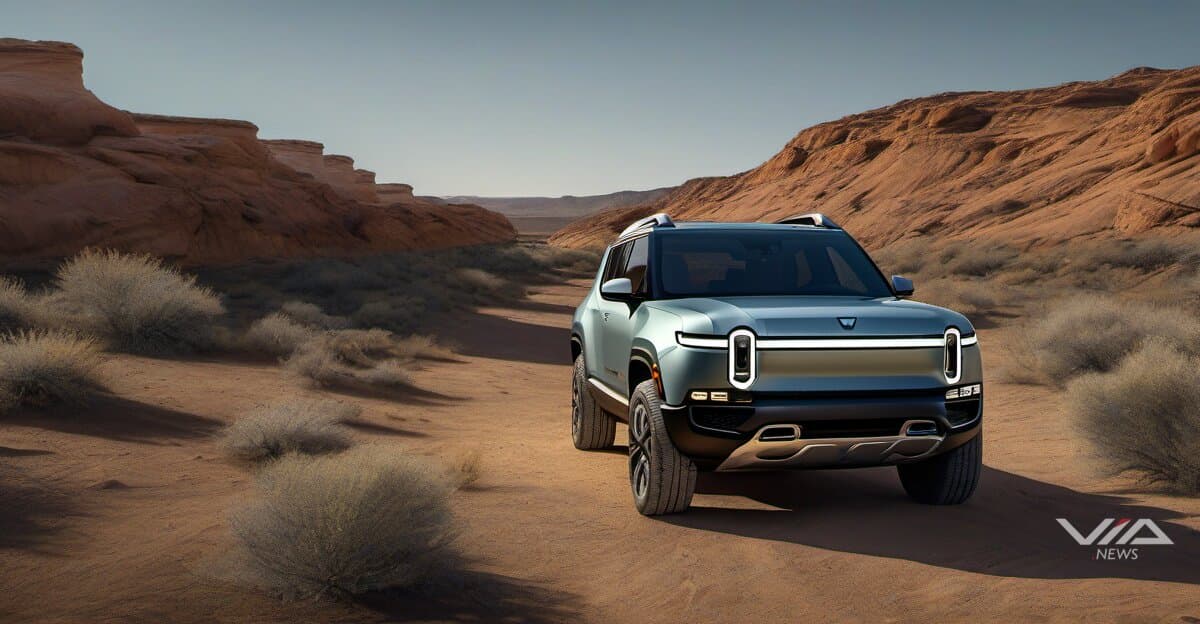
Rivian no longer expects to achieve profitability by 2027, abandoning its previous target due to increased spending on autonomous vehicle development.1 The EV manufacturer is prioritizing long-term AI capabilities over near-term earnings as competition intensifies in autonomous mobility.
The profitability delay comes after Rivian announced a robotaxi partnership with Uber Technologies.1 Uber holds an investment stake in Rivian and previously operated its own autonomous vehicle unit, Uber ATG, which it sold in 2020 after discovering the capital-intensive nature of self-driving technology development.1
Rivian's decision reflects a broader trade-off facing electric vehicle manufacturers: commit resources to autonomous technology now or risk falling behind competitors in AI-enabled mobility. The company is channeling funds into developing self-driving capabilities rather than optimizing production costs to reach profitability faster.
The Uber partnership provides Rivian with a potential deployment pathway for autonomous vehicles through Uber's ride-hailing platform. However, the collaboration also underscores why Uber exited direct AV development—the sustained capital requirements proved too burdensome for the ride-hailing company's business model.
For investors, the profitability timeline extension signals that Rivian views autonomous technology as essential to its competitive position. The company is developing its R2 vehicle platform while simultaneously building out self-driving capabilities.1 This dual investment approach extends the path to positive cash flow but aims to position Rivian in the emerging autonomous mobility market.
The capital allocation choice between current profitability and future AI capabilities is forcing EV manufacturers to make stark decisions. Companies that delay autonomous investments may reach profitability sooner but could lack the technology stack needed to compete in a market where self-driving features become standard. Those investing heavily in AI risk prolonged losses but gain potential positioning in autonomous ride-sharing and fleet services.
Rivian's abandoned timeline illustrates how autonomous vehicle development costs are reshaping financial projections across the EV sector. The spending required to develop safe, reliable self-driving systems continues to push out profitability targets for manufacturers prioritizing this technology.