
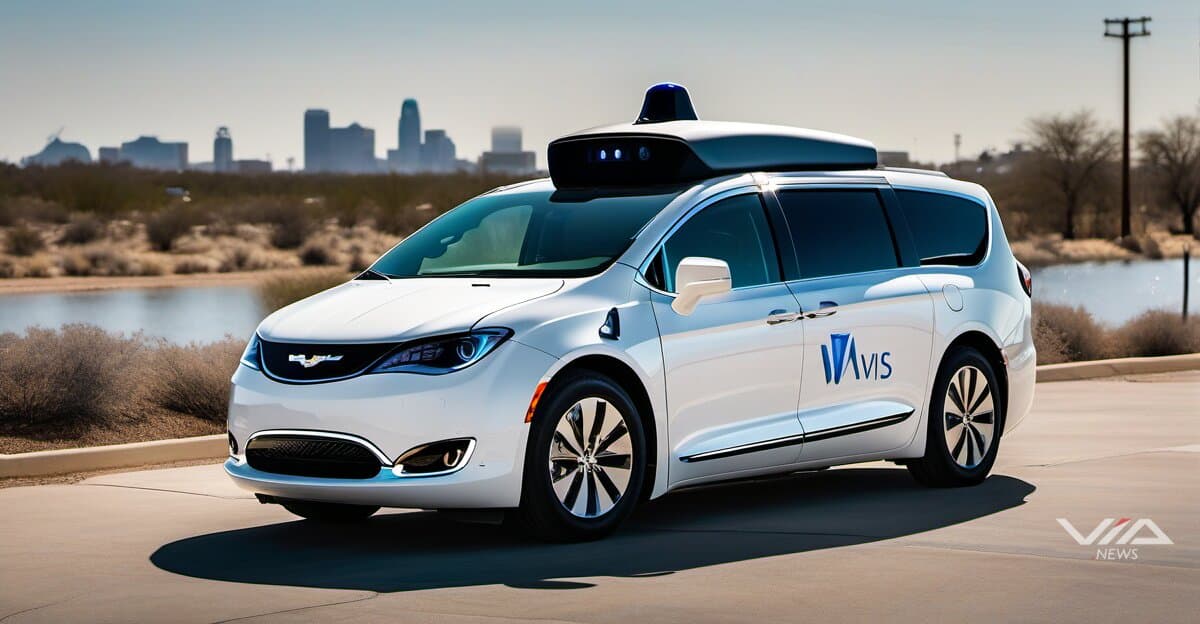
Waymo has signed Avis Budget Group to handle fleet management for its Dallas autonomous vehicle operations, the first major partnership between a robotaxi operator and a traditional rental car company for commercial-scale services.
The Dallas deployment moves beyond Waymo's pilot programs in San Francisco and Phoenix, where the company managed vehicle maintenance and logistics internally. Avis will handle cleaning, fueling, and basic maintenance for the autonomous fleet, leveraging its existing 270 Dallas-area service locations.
The partnership model addresses robotaxi operators' operational challenges as they expand. Fleet management costs consume 15-20% of ride-hailing revenue, according to McKinsey's 2025 mobility report. Outsourcing these functions lets Waymo allocate capital to technology development and vehicle acquisition rather than building service infrastructure in each new market.
Avis Budget stock rose 8% on the announcement as investors recognized a new revenue stream. The company manages 1.2 million vehicles globally, providing immediate scale advantages over purpose-built robotaxi service networks. CEO Joe Ferraro stated Avis expects fleet management contracts to generate $400-500 million annually by 2028 if autonomous operators launch in 20 major markets.
The infrastructure partnership indicates Waymo is prioritizing market expansion velocity over operational control. GM's Cruise attempted to build proprietary fleet management systems before suspending operations in 2024, burning through $8 billion. Tesla's robotaxi plans include service partnerships with existing automotive networks rather than vertical integration.
Capital requirements for multi-city robotaxi rollouts range from $2-3 billion per company, Morgan Stanley estimates. Fleet management partnerships reduce upfront infrastructure spending by 30-40%, accelerating expansion timelines from 18 months to 8-10 months per city.
Waymo operates 700 vehicles in its current markets and plans to deploy 2,000 additional units in 2026 across Dallas, Austin, and Atlanta. Each vehicle costs $150,000-200,000 including sensors and computing hardware. The Avis partnership suggests Waymo will rely on external service providers in all new markets rather than replicating its Phoenix maintenance facilities.
Traditional automotive service companies view robotaxi partnerships as critical revenue diversification. Rental car industry revenue declined 12% from 2019-2024 as younger consumers shifted to ride-hailing. Fleet management contracts offer 15-year terms with guaranteed minimum volumes, stabilizing revenue as autonomous services scale.