
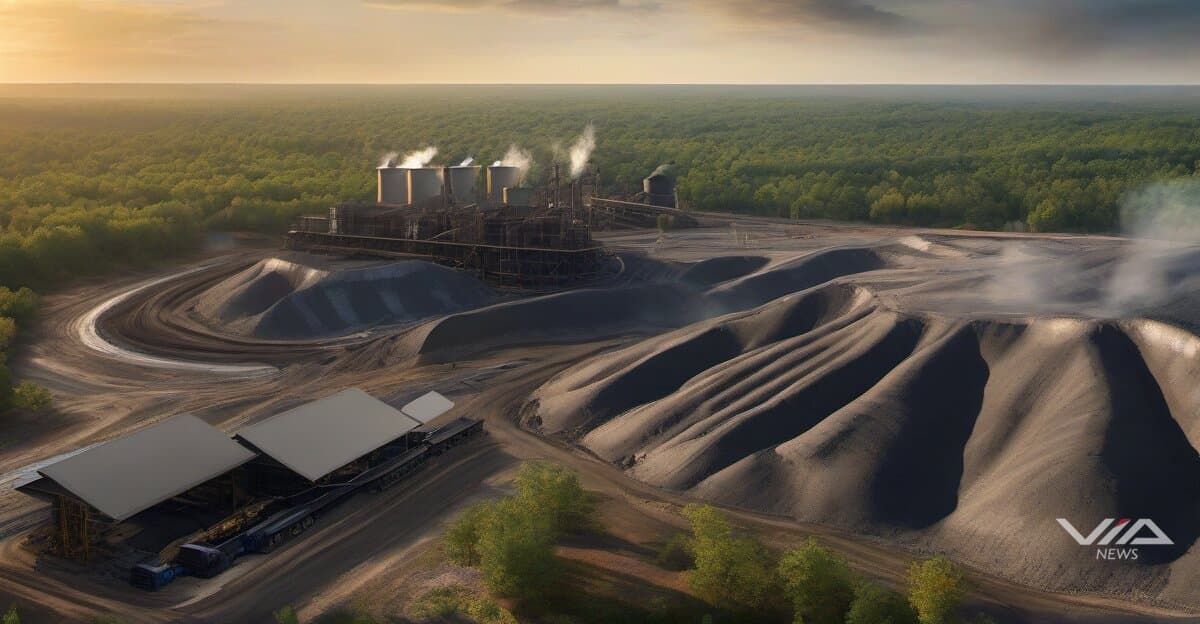
Alliance Resource Partners, L.P. operates bituminous coal mining complexes across four states facing accelerated stranded asset risk as energy transition timelines shorten beyond current market expectations.
The Tulsa-based master limited partnership manages production, marketing, and transportation infrastructure in Illinois, Indiana, Kentucky, and West Virginia. Current risk assessment assigns catastrophic severity with medium likelihood (70% confidence) to technological obsolescence scenarios.
Master limited partnerships structure creates direct pass-through exposure for unitholders. Coal commodity prices and mine-level cash flows determine distribution capacity. Accelerated retirement of coal-fired power plants reduces contract offtake opportunities.
Thermal coal demand faces compression from three directions: natural gas price competition, renewable energy capacity additions, and carbon pricing mechanisms. Mining complexes in Central Appalachia and Illinois Basin compete on delivered cost basis against alternative fuel sources.
Stranded asset risk materializes when productive mining equipment, rail infrastructure, and preparation plants lose economic value before end of useful life. Multi-state operations spread geographic risk but share common demand erosion pattern.
Electric utilities accelerated coal plant retirement schedules through 2025-2030 period. Each closure reduces contract coal demand by 1-4 million tons annually depending on plant capacity. Alliance's customer concentration in power generation creates direct transmission of utility sector transition decisions.
MLP tax treatment depends on qualifying income from natural resource extraction and transportation. Industry classification shift or production wind-down could trigger tax status complications affecting distribution mechanics.
Equity trading implications center on duration mismatch: long-lived mining assets versus compressed demand timeline. Options markets price elevated volatility around regulatory announcements and utility integrated resource plans.
West Virginia and Kentucky operations face highest geological extraction costs. Illinois Basin mines compete on transportation economics to Midwest power markets. Indiana facilities serve regional industrial and utility customers.
Bond investors evaluate mine reserve life against debt maturity schedules. Equity holders face residual claim on cash flows after distribution coverage. Energy transition speed determines whether mines reach economic depletion or forced closure.
Commodity exposure combines metallurgical coal export markets with domestic thermal coal contracts. Met coal serves steel production with different demand drivers than utility-grade thermal coal facing renewable substitution pressure.