
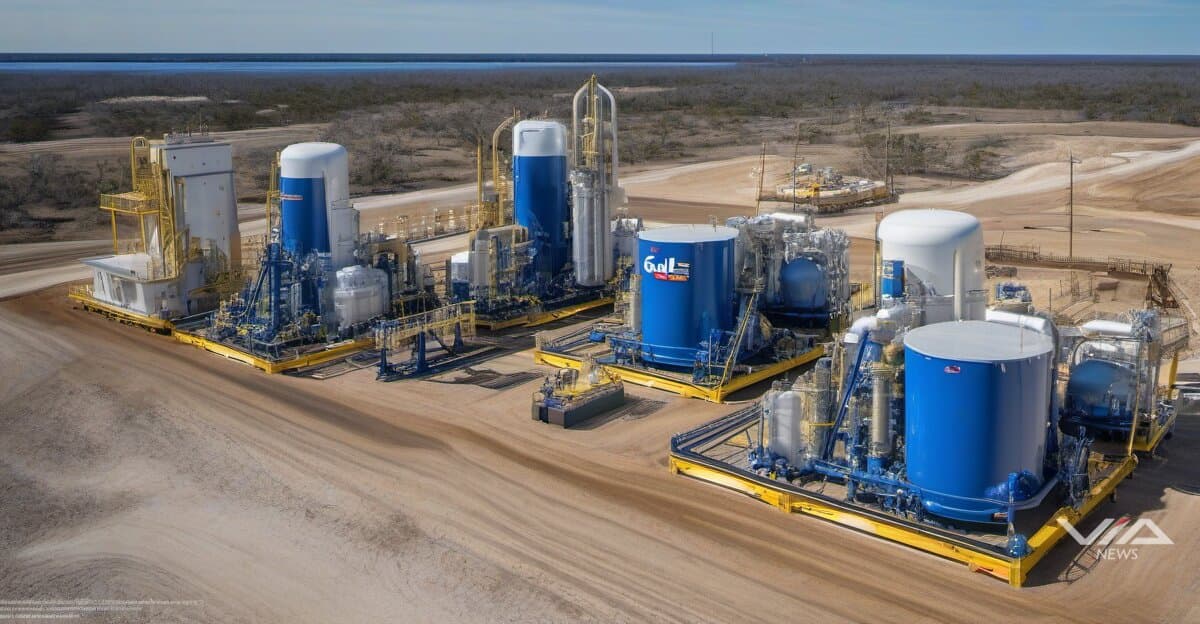
Marathon Petroleum has locked in all output from two fractionators scheduled to start operations on the Gulf Coast between 2028 and 2029, each processing 150,000 barrels per day of natural gas liquids.
The 300,000-barrel combined capacity represents significant new infrastructure for separating mixed NGLs into individual products like ethane, propane, and butane. Fractionators sit at a critical point in the petrochemical supply chain, converting raw NGLs from gas processing plants into refined components used in plastics manufacturing and fuel blending.
Marathon's full offtake agreement ensures stable demand for the facilities while securing feedstock for its refining and petrochemical operations. The company operates integrated assets across the value chain, including the 1.9 million-barrel-per-day refining network and midstream infrastructure through its MPLX partnership.
Gulf Coast fractionation capacity has expanded steadily since 2015 as Permian Basin and Appalachian shale production pushed NGL volumes higher. U.S. NGL output reached 6.5 million barrels per day in 2024, with ethane and propane exports driving demand for additional processing capacity near export terminals.
The timing aligns with expected growth in petrochemical demand. Global ethylene capacity—which uses ethane as primary feedstock—is projected to grow 3-4% annually through 2030, with much of that expansion in Asia requiring imported NGLs. U.S. producers have cost advantages due to abundant shale gas.
Marathon's commitment provides revenue certainty for the fractionator developers before construction begins. Midstream companies typically require long-term contracts covering 70-80% of capacity before greenlighting projects of this scale, which can cost $400-600 million per facility.
The Gulf Coast hosts roughly 3 million barrels per day of existing fractionation capacity, concentrated in Texas and Louisiana near major gas processing regions and export docks. These two units will add 10% to that base, suggesting continued confidence in NGL supply growth despite recent moderation in drilling activity.
Marathon has not disclosed financial terms or identified the facility operators. The company's integrated model allows it to optimize margins across gathering, processing, fractionation, and refining rather than relying solely on refining spreads.