
Chinese regulators are tightening oversight of cross-border gambling operations, creating catastrophic risk for Macao casino operators including Sands China. The regulatory threat carries a high likelihood of implementation with 70% confidence, according to risk assessments tracking Beijing's policy signals.
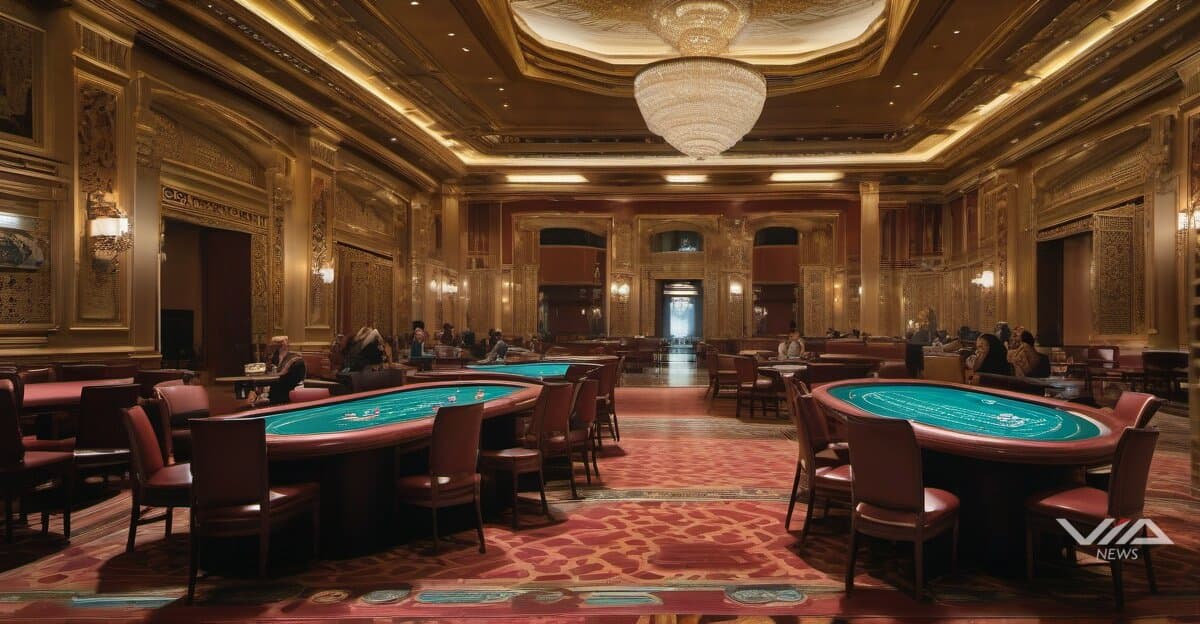
The Parisian Macao, a flagship Sands China property, sits directly in the crosshairs. Potential restrictions include limits on mainland visitor access to Macao gaming floors and enhanced capital flow controls that could choke revenue streams.
Macao casinos generate 80% of revenue from mainland Chinese visitors. Any visitor restrictions would devastate operators' core business model. Sands China parent Las Vegas Sands derived $3.7 billion from Macao operations in 2023, representing 35% of total company revenue.
Beijing has escalated gambling crackdown measures since 2021, arresting high-roller junket operators and banning cryptocurrency transactions used to circumvent capital controls. The latest regulatory wave targets structural access rather than enforcement alone.
Sands China stock trades at 8.2x forward earnings, a 40% discount to Las Vegas Strip peers, reflecting investor concern over regulatory overhang. MGM China and Wynn Macau face identical exposure, with all three operators heavily weighted in institutional portfolios focused on Asian gaming growth.
Gaming sector analysts flag three trigger points: new visa restrictions for mainland visitors, daily withdrawal limits at Macao casinos, and mandatory reporting of cross-border gaming transactions above $10,000. Any single measure could cut Macao gross gaming revenue by 15-25%.
The Parisian Macao opened in 2016 with 3,000 hotel rooms and 500 gaming tables, representing $2.7 billion in capital investment. Sands China operates six properties across Cotai and Macao Peninsula, employing 28,000 workers in a city dependent on casino tax revenue for 80% of government income.
Regulatory tightening creates portfolio risk for investors holding gaming sector stocks, with limited hedging options available. The sector faces binary outcomes: regulatory restraint preserving status quo, or implementation of access controls that fundamentally reshape Macao's economic model.