
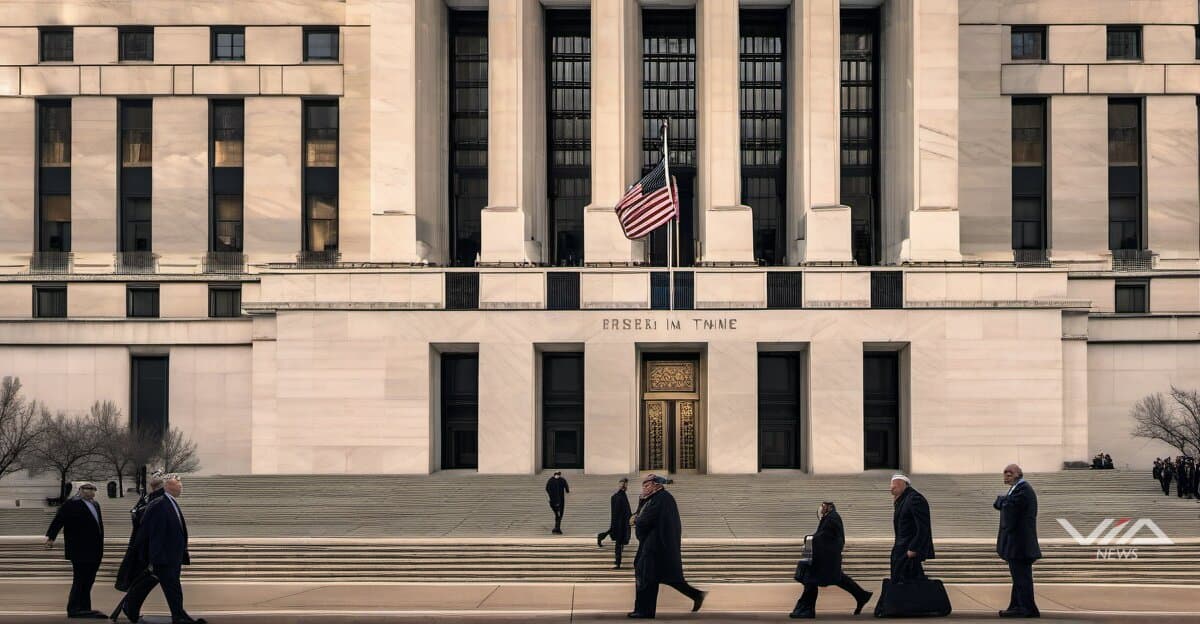
Federal Reserve officials across multiple regional banks are coalescing around a pause in rate cuts, marking a hawkish shift that's pressuring equity valuations and keeping bond yields elevated above 4.2%.
Atlanta Fed President Raphael Bostic stated it's prudent to maintain mildly restrictive interest rates, expecting US growth in 2026 to put upward pressure on inflation. New York Fed President John Williams acknowledged the Middle East war will affect near-term inflation and increase economic uncertainty, though he noted additional cuts could be warranted if inflation slows once tariff impacts pass.
The tariff factor is central. Fed officials recognize Trump administration tariffs are passing costs directly to US consumers and businesses, creating persistent price pressures that complicate the easing path markets anticipated entering 2026.
Bond markets are responding. The 10-year Treasury yield is holding above 4.2% as traders reprice expectations for fewer cuts. Duration-sensitive sectors including utilities and REITs face headwinds from the higher-for-longer narrative, while financial stocks benefit from sustained net interest margins.
Equity valuations are under pressure. The S&P 500's forward P/E ratio near 21x faces compression risk if the Fed holds rates at current levels longer than previously expected. Growth stocks with cash flows weighted toward distant years face steeper discounting, while value stocks trading at 14-15x earnings look relatively attractive.
Trading opportunities are emerging. Short-duration bonds and floating-rate securities offer protection against prolonged elevated rates. Financials, particularly regional banks with loan portfolios repricing higher, present tactical positioning. Energy and materials sectors may benefit as tariff-driven inflation supports commodity prices.
The policy stance marks a shift from the September 2025 pivot when the Fed began cutting from 5.5%. With the federal funds rate now near what some officials consider neutral levels around 3.5-4%, further easing requires clear inflation deceleration that tariffs are preventing.
Volatility is likely to persist. Fed officials' caution suggests any dovish pivot requires substantial evidence of cooling inflation, potentially keeping markets range-bound as they adjust to fewer rate cuts than the four reductions priced in at year-start.