
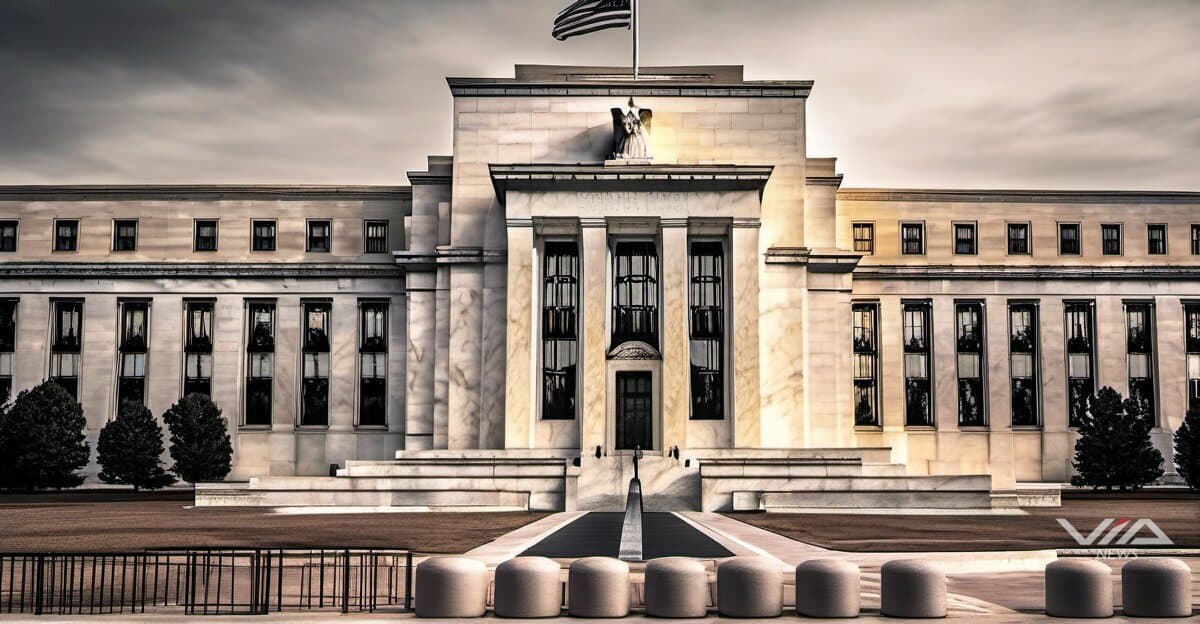
Federal Reserve officials are preparing markets for rates to stay elevated through 2027 as oil-driven inflation proves more persistent than previously expected. Atlanta Fed President Raphael Bostic told investors he sees "little suggesting price pressures will dissipate before mid to late 2026," marking a shift from the central bank's earlier 2025 easing timeline.
Minneapolis Fed President Neel Kashkari withdrew his previous forecast for a rate cut this year, joining a growing chorus of policymakers resetting market expectations. New York Fed President John Williams warned that geopolitical conflict could worsen near-term inflation, while San Francisco Fed President Mary Daly highlighted oil price shocks as a "real thing" that could extend tight monetary policy depending on duration.
The 10-year Treasury yield surged 10 basis points in under one week on the hawkish pivot, signaling bond markets are repricing the timeline for Fed accommodation. Traders now face a compressed window to position for sustained higher rates across 2026-2027.
Leveraged credit markets face the most direct impact. BB and B-rated private credit instruments typically carry floating rates tied to Fed policy, meaning extended high rates will pressure debt service coverage ratios. Private equity deal volume has already slowed as buyers balk at elevated leverage multiples in a higher-for-longer environment. Business development companies (BDCs) holding leveraged loans must now monitor portfolio company EBITDA coverage more closely as financing costs remain elevated.
Equity valuations compressed in rate-sensitive sectors face further downside. High-growth stocks trading at premium multiples typically suffer when the risk-free rate stays elevated, as discounted cash flow models assign less value to distant earnings. Dividend stocks and REITs that competed with bonds during the low-rate era now face stiffer competition from Treasury yields above 4.5%.
Fed fund futures markets will serve as the key bellwether, with December 2026 and June 2027 contracts revealing whether traders believe the central bank can achieve its 2% inflation target without extending restrictive policy into late 2027. Credit spreads between private and public high-yield debt will show whether liquidity premiums widen as floating-rate borrowers face refinancing pressure.
Bostic emphasized price stability remains the "clearer and more pressing risk" despite recent labor market softness, signaling the Fed prioritizes inflation control over employment concerns in its dual mandate.