
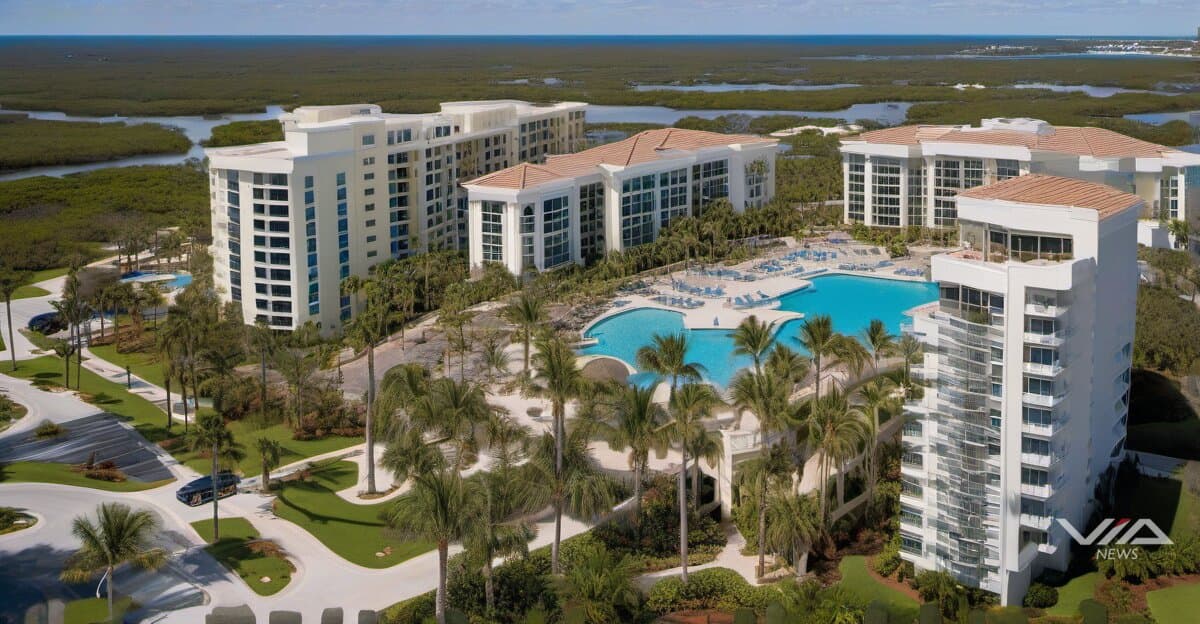
American Coastal Insurance Corporation controls 4,300 of Florida's 17,000 eligible condominium associations, concentrating roughly 25% of the market in the nation's most hurricane-prone state. The concentration creates catastrophic exposure risk despite 18 consecutive years of profitability under CEO Brad Martz.
Florida's property insurance market faces structural instability. Six major carriers have exited the state since 2022. State-backed Citizens Property Insurance grew to 1.3 million policies in 2023, up from 420,000 in 2019, as private insurers retreated from hurricane exposure.
American Coastal's Florida dominance amplifies three risk vectors. First, hurricane losses: a Category 4 storm hitting Miami-Dade County could trigger claims across 25% of the company's book. Second, regulatory risk: Florida lawmakers passed emergency assessment reforms in 2023 that altered carrier liability structures. Third, reinsurance costs: Florida-focused carriers face rate increases 40-60% higher than national averages.
The concentration creates asymmetric volatility for shareholders. Nationwide carriers like State Farm and Allstate spread Florida exposure across 50-state books. American Coastal lacks geographic diversification buffers. A single catastrophic event could wipe out multiple years of underwriting profit.
Martz's 18-year track record demonstrates operational expertise in the Florida market. The company's survival through Hurricane Irma (2017), Hurricane Michael (2018), and Hurricane Ian (2022) shows underwriting discipline. But past performance doesn't reduce future hurricane probability.
Climate risk models project increased hurricane intensity. NOAA data shows Category 4-5 storms in the Atlantic Basin increased 8% per decade since 1980. Sea level rise in South Florida reached 8 inches since 1950, amplifying storm surge damage potential for coastal condominiums.
Investors face concentration risk without diversification options. Unlike publicly traded insurers with geographic spread, American Coastal's stakeholders absorb full Florida market exposure. The company's profitability depends on continued absence of major loss events—a probability that declines with each hurricane season.
Reinsurance markets price this risk. Florida carrier reinsurance costs jumped 50% in 2023 renewal cycles. Capital allocators view Florida exposure as requiring premium returns to justify concentration risk, creating margin pressure for dominant state players.