
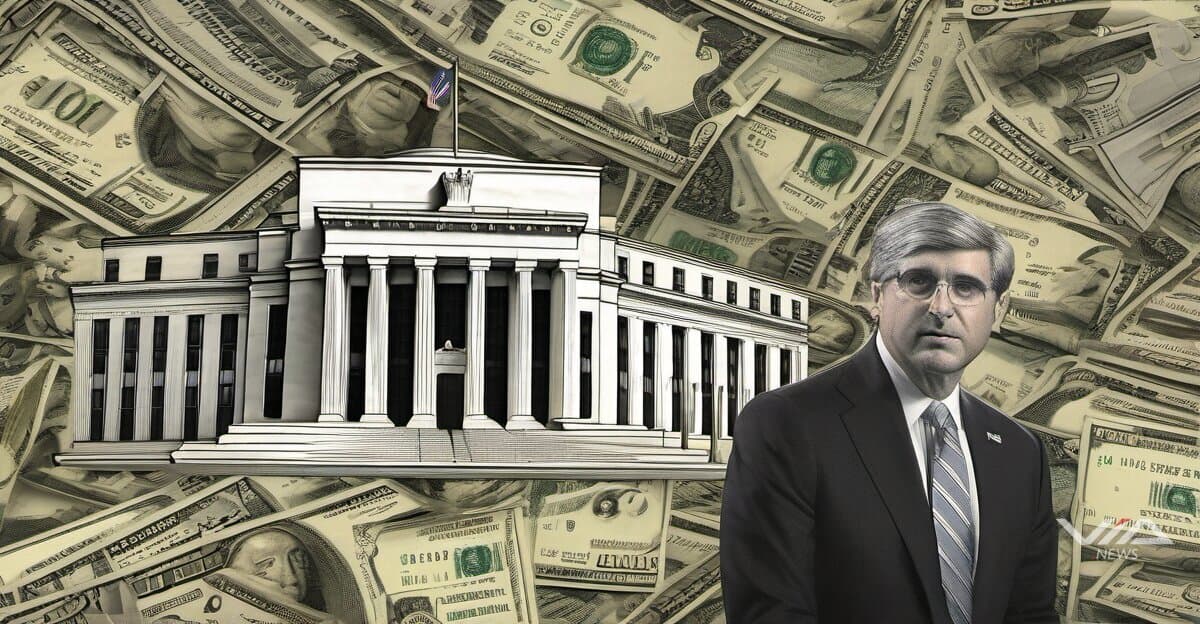
Financial markets are navigating a turbulent confluence of institutional uncertainty, with the anticipated nomination of Kevin Warsh as the next Federal Reserve Chair reshaping currency and commodities markets, even as a congressional stock-trading scandal deepens investor skepticism toward Washington's relationship with Wall Street.
Dollar Surges, Metals Retreat on Warsh Speculation
The prospect of Warsh — a known inflation hawk and former Fed governor — taking the helm at the central bank has immediate pricing consequences. The U.S. dollar strengthened against a basket of major currencies as traders priced in the likelihood of a more restrictive monetary stance. Precious metals bore the brunt of the repricing: gold and silver both retreated as the stronger dollar and expectations of tighter policy reduced the appeal of non-yielding assets.
Warsh has historically favored aggressive rate action to contain inflation and has been publicly critical of quantitative easing. His nomination would signal a potential pivot away from the more accommodative posture markets have come to expect, raising the stakes for rate-sensitive sectors including real estate, utilities, and long-duration bond portfolios.
Greene's Trades Renew the Congressional Ethics Debate
Against that macroeconomic backdrop, a separate storm is brewing on Capitol Hill. Representative Marjorie Taylor Greene (R-GA) is defending disclosed stock trades that proved highly profitable — including positions in Palantir Technologies — timed around policy developments her committee work may have touched.
Greene has pushed back firmly on the criticism. "I think that criticism is laughable. President Trump has been talking about tariffs for decades," she said, dismissing suggestions that her tariff-adjacent trades constituted improper use of legislative knowledge. On the Palantir trades specifically, she stated: "I learned about my Palantir trades when I saw it in the media," adding that a portfolio manager handles all transactions under a fiduciary agreement. "I don't place my buys and sells. He did a great job. Guess what he did. He bought the dip."
The managed-account defense is commonly invoked by lawmakers but has drawn increasing skepticism from ethics watchdogs who argue that blind trust arrangements are rarely airtight when principals remain informed about policy trajectories.
Bipartisan Pressure Builds for a Trading Ban
The episode has drawn cross-aisle condemnation. Representative Mike Lawler (R-NY) called the situation "just another reason why stock trading by members of Congress or their spouses should be banned" — a notable statement given both he and Greene share the same party. The STOCK Act, passed in 2012, requires disclosure of trades but does not prohibit them, a gap reformers argue is no longer acceptable given the scale of legislative market influence.
For retail investors and institutional participants alike, the optics matter. Perceived information asymmetry between lawmakers and the public erodes confidence in market fairness — a sentiment the SEC appears to be taking seriously. The agency is tightening its retail investor protection framework through renewed fraud enforcement and a scheduled Regulation NMS roundtable, signaling broader regulatory scrutiny of market structure.
Sector Rotation Adds to the Complexity
Compounding the volatility, AI-driven earnings beats from Microsoft, Meta, SAP, and ServiceNow have triggered meaningful sector rotation, pulling capital away from defensive names and into high-growth technology. That rotation is running parallel to — and occasionally in conflict with — the risk-off signals emanating from monetary policy uncertainty.
The net result is a market in genuine flux: directional clarity on rates, congressional reform, and regulatory posture are all unresolved, leaving traders to navigate headline risk on multiple fronts simultaneously.