
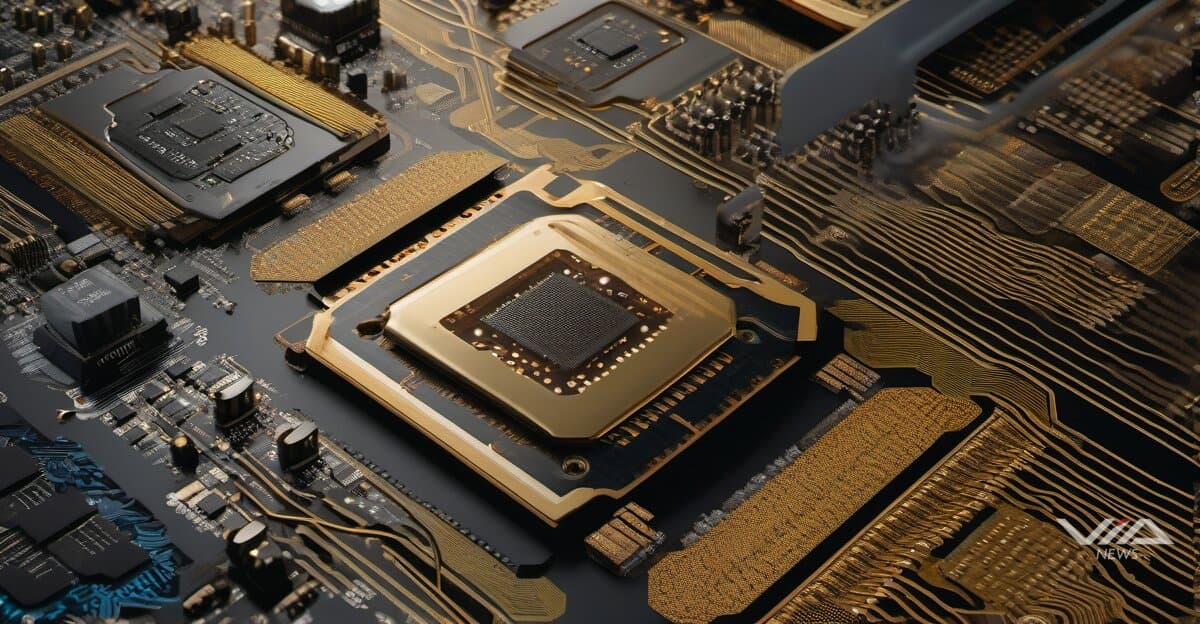
The semiconductor industry is experiencing a strategic divide as AI-focused chipmakers pull ahead of traditional memory producers navigating post-COVID cycle normalization.
Lattice Semiconductor forecast Q1 revenue between $158 million and $172 million, reflecting mixed demand across product lines. The guidance underscores broader sector dynamics where AI accelerator demand contrasts with softening in commodity chip segments.
Industry collaboration on open standards is accelerating. The Aliro 1.0 specification for secure access control united multiple semiconductor suppliers around interoperable connectivity. STMicroelectronics now supports all three Aliro configurations, from NFC-only to NFC plus Bluetooth Low Energy plus ultra-wideband for hands-free access. Nordic Semiconductor's Øyvind Strøm noted that ecosystem alignment on open standards simplifies development and strengthens user trust.
Specialized applications are driving targeted growth. Wolfspeed supplies silicon carbide semiconductors to Toyota for electric vehicle onboard power systems. Silicon carbide has become the standard for high-voltage automotive applications supporting the transition to clean energy vehicles. InspireSemi is positioning in high-performance computing and AI workloads with energy-efficient accelerated computing solutions for graph analytics and compute-intensive tasks.
Process technology advances continue despite market headwinds. Intel's 18A manufacturing node represents the company's push to regain process leadership and compete for foundry business. Advanced nodes are critical for AI accelerators and high-performance computing applications where power efficiency and transistor density determine competitive positioning.
The sector bifurcation creates distinct investment profiles. Companies with AI exposure, automotive silicon carbide portfolios, or advanced process capabilities are seeing demand support. Traditional memory and commoditized logic producers face inventory digestion and pricing pressure as the post-pandemic surge normalizes.
Vertical specialization is replacing horizontal commoditization as the primary value driver. Partnerships around standards like Aliro, application-specific products for EVs and AI infrastructure, and manufacturing process differentiation define the new competitive landscape. Investors should evaluate semiconductor holdings based on end-market exposure rather than sector-wide metrics as performance divergence accelerates.