
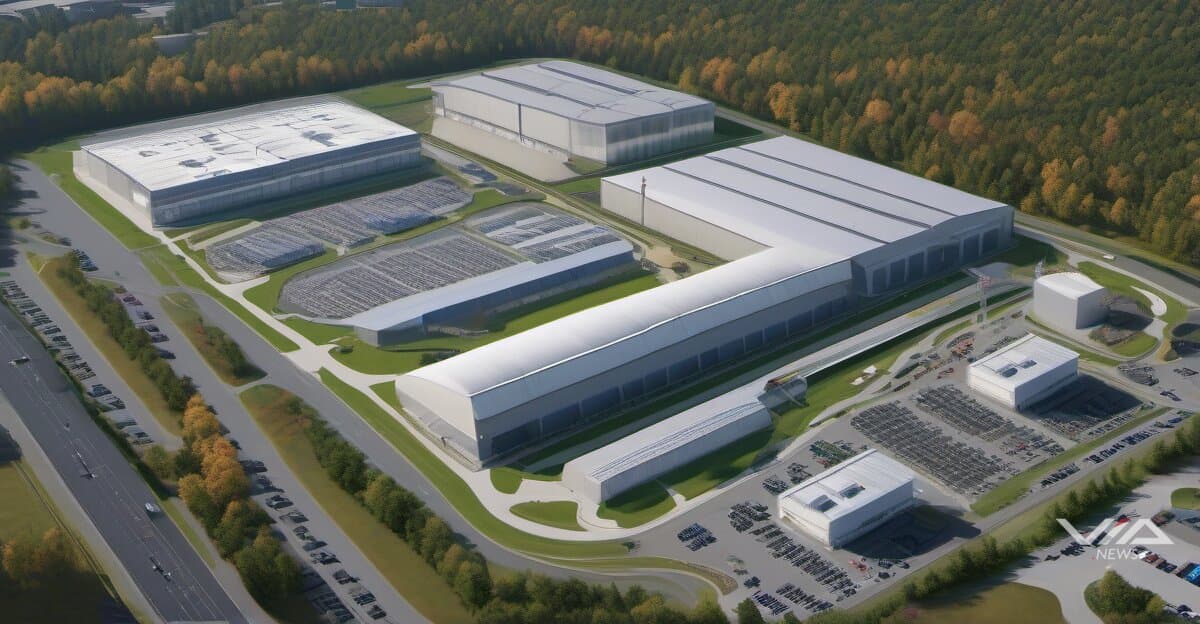
GlobalFoundries has acquired MIPS and AMF while pursuing Synopsys IP assets, combining M&A activity with capacity expansion at its Dresden facility rather than building new fabs. The moves indicate a 78% confidence industry trend toward consolidation over greenfield construction for AI chip manufacturing capacity.
The processor IP acquisitions give GlobalFoundries design assets for AI accelerators and edge computing chips. MIPS architecture enables low-power embedded processors, while AMF and Synopsys IP extend the company's design portfolio for custom silicon manufacturing. Dresden facility expansion adds capacity without the multi-billion dollar cost of new plants.
This consolidation strategy contrasts with TSMC and Samsung's massive fab investments. GlobalFoundries is betting on acquiring existing IP and expanding current facilities to serve AI chip demand. The approach reduces capital expenditure while positioning for specialized manufacturing nodes that AI accelerator designers need.
Supply chain implications favor this model. AI hardware manufacturers face less geographic concentration risk when established fabs add capacity versus relying solely on new Asian facilities. GlobalFoundries' U.S. and European manufacturing footprint addresses supply chain resilience concerns that emerged during recent semiconductor shortages.
Stock implications center on capital efficiency. Companies pursuing M&A and brownfield expansion may show better ROI metrics than those committing to $15-20 billion greenfield fabs. Investors should watch for margin improvements as acquired IP generates licensing revenue alongside manufacturing services.
The AI-specific process node focus matters for chip designers. Foundries that acquire relevant IP can offer integrated design and manufacturing, reducing time-to-market for AI accelerators. This vertical integration threatens pure-play IP licensing firms while strengthening foundry competitive positions.
Expect continued consolidation as smaller foundries and IP firms become acquisition targets. Companies with established manufacturing capacity and strong customer relationships will likely pursue IP portfolios that match AI workload requirements. The era of building massive new fabs for every capacity need appears to be shifting toward strategic expansion of existing facilities combined with IP acquisition to serve specific market segments.