
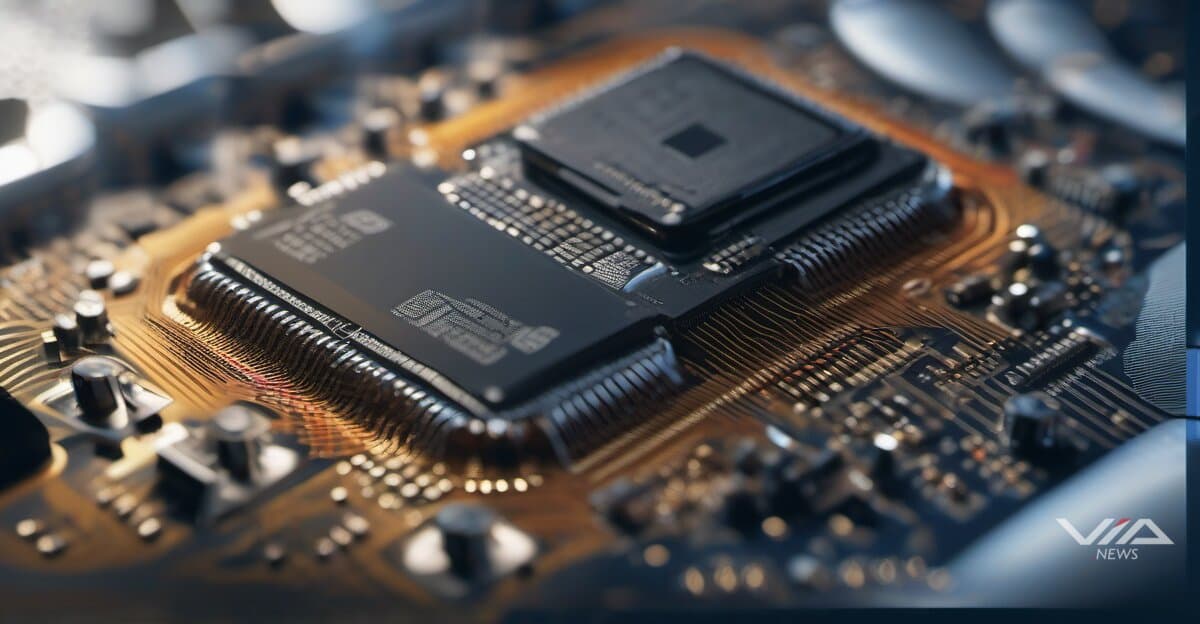
Semiconductor stocks dropped sharply on November 6, 2025, pushing the S&P 500 to its lowest level in two weeks. The sector decline followed weak revenue guidance from multiple chip manufacturers, raising concerns about demand softness heading into 2026.
Lattice Semiconductor projected Q1 2026 revenue between $158 million and $172 million. AXT Inc forecasted Q4 2025 revenue of $22.5 million to $23.5 million. Microchip Technology set Q3 adjusted earnings per share guidance at 40 cents, below analyst expectations.
The downturn reflects potential overcapacity in AI infrastructure spending. After two years of aggressive buildouts by cloud providers and enterprise customers, semiconductor demand appears to be normalizing. Cyclical patterns in chip markets typically follow 18-24 month cycles, and the late 2025 weakness aligns with historical trends.
Traders should monitor NVDA, AMD, and INTC stock performance through Q1 2026 as leading indicators. These three companies represent core exposure to AI chip demand and data center infrastructure spending. Their quarterly results will test the hypothesis that AI infrastructure overcapacity is driving sector-wide valuation compression.
The correlation between AI infrastructure announcements and semiconductor valuations has weakened since mid-2025. Major cloud providers have extended deployment timelines, and enterprise AI adoption rates have decelerated from 2024 peaks. This suggests the market is repricing growth expectations for AI hardware companies.
Revenue guidance from chip manufacturers carries high significance for tech sector indices. Semiconductors represent 12% of S&P 500 technology sector weighting, making chip stock performance a key driver of broader market direction. The November 6 decline demonstrates this correlation, with the index falling as semiconductor stocks led losses.
Investors face uncertainty about whether the downturn represents temporary overcapacity correction or the start of a prolonged demand cycle. Q1 2026 earnings reports from major chip makers will provide clarity on inventory levels, order backlogs, and customer spending patterns. Until then, volatility in semiconductor stocks is likely to persist.