
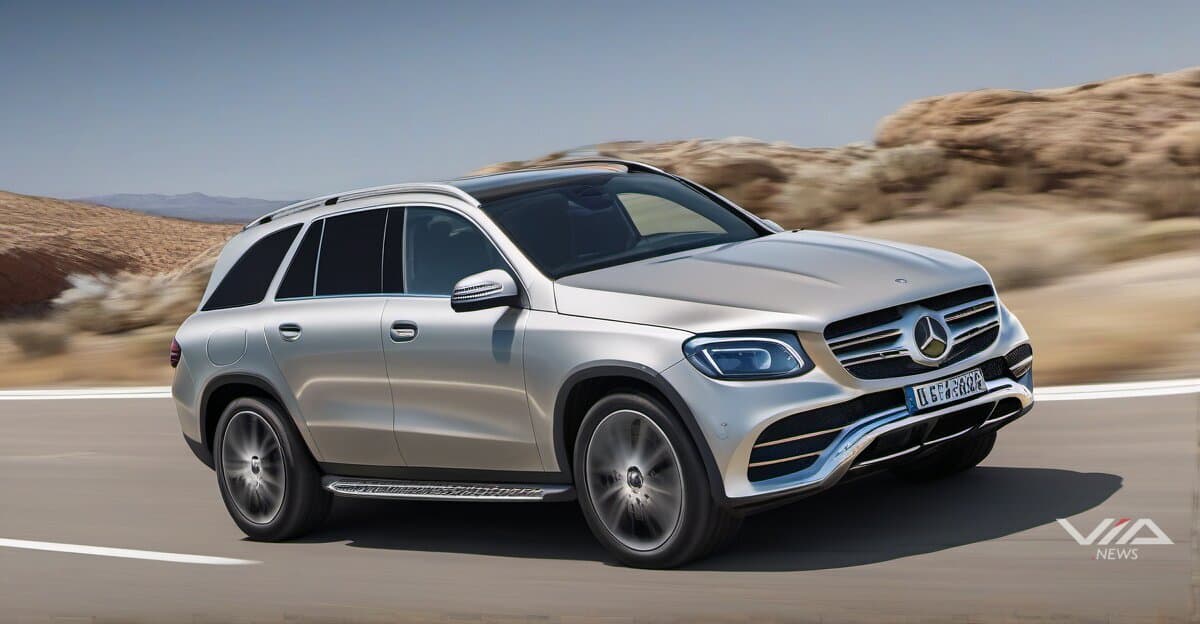
Factorial Energy is, by most technical measures, one of the most promising solid-state battery companies in the United States. Its B-sample cells delivered to Mercedes-Benz have hit 391 Wh/kg — a figure that puts it ahead of most commercial lithium-ion chemistries and in contention with the upper tier of solid-state competitors globally. The company has also brought a 200 MWh manufacturing line online in Woburn, Massachusetts, demonstrating that it has moved beyond lab-scale demonstrations into production-relevant infrastructure.
Yet beneath the technical achievements lies a structural vulnerability that supply chain risk analysts are flagging with increasing urgency: every publicly disclosed commercial contract Factorial holds is with a single customer — Mercedes-Benz.
The Concentration Problem
In supply chain risk modeling, single-customer concentration is treated as a catastrophic severity event when that relationship is lost or disrupted — even when the probability of disruption is assessed as low. Factorial's current risk profile fits that profile precisely. Analysts are reasonably certain the structure exists; the uncertainty lies in whether Mercedes will maintain its commitment through the full commercialization cycle.
The concern is not hypothetical. The automotive industry has a long history of OEM partners pivoting away from early-stage suppliers when internal development programs mature, when strategic priorities shift, or when cost pressures force vertical integration. Mercedes-Benz has its own battery research partnerships and has publicly signaled ambitions across multiple battery chemistries. Should it delay, scale back, or redirect its solid-state program, Factorial would lose not just revenue — it would lose the primary validation pathway that underpins its commercial credibility with any future customers.
What This Means for Battery Supplier Valuations
For investors evaluating battery technology plays in the EV supply chain, the Factorial situation illustrates a broader valuation tension. Early-stage battery companies often command premium valuations on the basis of technical milestones and OEM partnerships. But a partnership with one automaker is not the same as a diversified customer base — and markets sometimes conflate the two.
A company generating 100% of its disclosed revenue from a single source trades more like a single-contract services firm than a platform technology company. If that contract is with a luxury automaker navigating its own electrification pressures — including slowing EV demand in key markets — the risk profile compounds further.
Investor confidence in Factorial, and in analogous single-customer battery startups, should properly discount for the scenario in which the anchor customer relationship stalls. That discount should be reflected in valuation multiples, not absorbed post-event.
The Path to De-Risking
The obvious mitigation is customer diversification. Factorial would substantially reduce its concentration risk by securing even one additional OEM validation relationship — whether with a mass-market automaker, a commercial vehicle manufacturer, or a Tier 1 supplier acting as an intermediary. Each additional disclosed contract dilutes the binary dependency on Mercedes and broadens the commercial validation base.
The Massachusetts manufacturing line is a positive signal here: it demonstrates scale intent and may lower the barrier for other OEMs to initiate their own qualification processes. But until those relationships are disclosed, the structural vulnerability remains.
For market participants tracking the solid-state battery segment, Factorial Energy represents a compelling technical story wrapped in a concentrated commercial risk. The 391 Wh/kg headline is real. So is the single-customer exposure. Sophisticated investors will price both.