OpenAI is developing AI models that can function as autonomous researchers working indefinitely without human assistance, chief scientist Jakub Pachocki told MIT Technology Review. "I think we are getting close to a point where we'll have models capable of working indefinitely in a coherent way just like people do," Pachocki said.
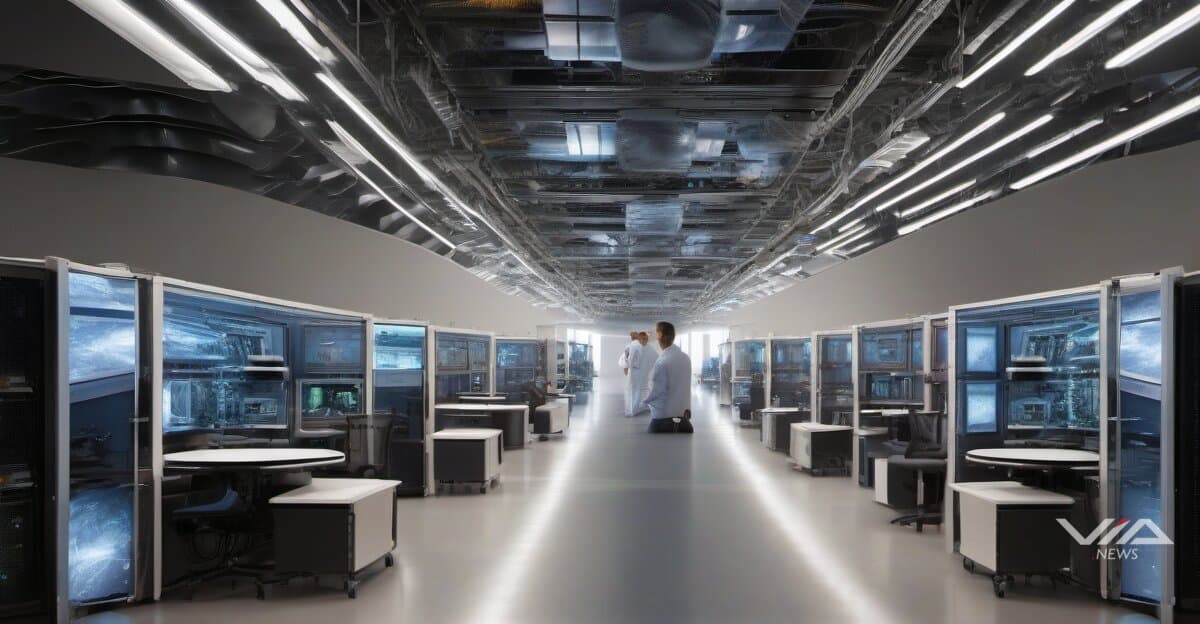
The capability stems from improvements in all-round model performance that enable extended operation without intervention. "I think we will get to a point where you kind of have a whole research lab in a data center," Pachocki added.
The development carries market implications as enterprise AI infrastructure investment accelerates while major indices recently declined 1.4-1.6%. The disconnect suggests investor uncertainty about AI monetization despite aggressive capital deployment in compute infrastructure.
Pachocki acknowledged deployment risks for highly capable autonomous systems. He stated that powerful models should operate in sandboxes isolated from systems they could damage or exploit. "I think this is a big challenge for governments to figure out," he said regarding regulatory frameworks.
The autonomous researcher push represents a shift from AI as tool to AI as independent agent. Unlike current models requiring human oversight for complex tasks, these systems would manage multi-step research processes including hypothesis formation, experimentation, and analysis without checkpoints.
For semiconductor and enterprise software sectors, the development signals sustained demand for specialized AI compute infrastructure. Data center buildouts to support "research labs in a data center" would require chips optimized for long-running inference workloads rather than training.
The timing aligns with broader enterprise AI adoption patterns. Companies are moving from experimental deployments to production systems requiring dedicated infrastructure. This transition supports valuations in the AI infrastructure supply chain despite near-term market volatility.
Market participants should monitor compute efficiency metrics and inference cost trajectories. Autonomous research systems running indefinitely would make operational costs a primary constraint, potentially favoring providers with superior performance-per-watt ratios.