
Mobileye forecasts 700,000 units in 2026 from a dual-chip program using two IQ4 chips per vehicle with one OEM. The company projects 10 million IQ units in Q1 2026, up 19% year-over-year, but full-year revenue guidance of $1.9-1.98 billion represents zero to 5% growth.
The flat revenue outlook follows 2025 results of $1.9 billion, up 15% from 2024. Mobileye shipped 35.6 million IQ units in 2025, exceeding initial expectations of 32-34 million. Adjusted operating margin reached 15%, up 300 basis points.
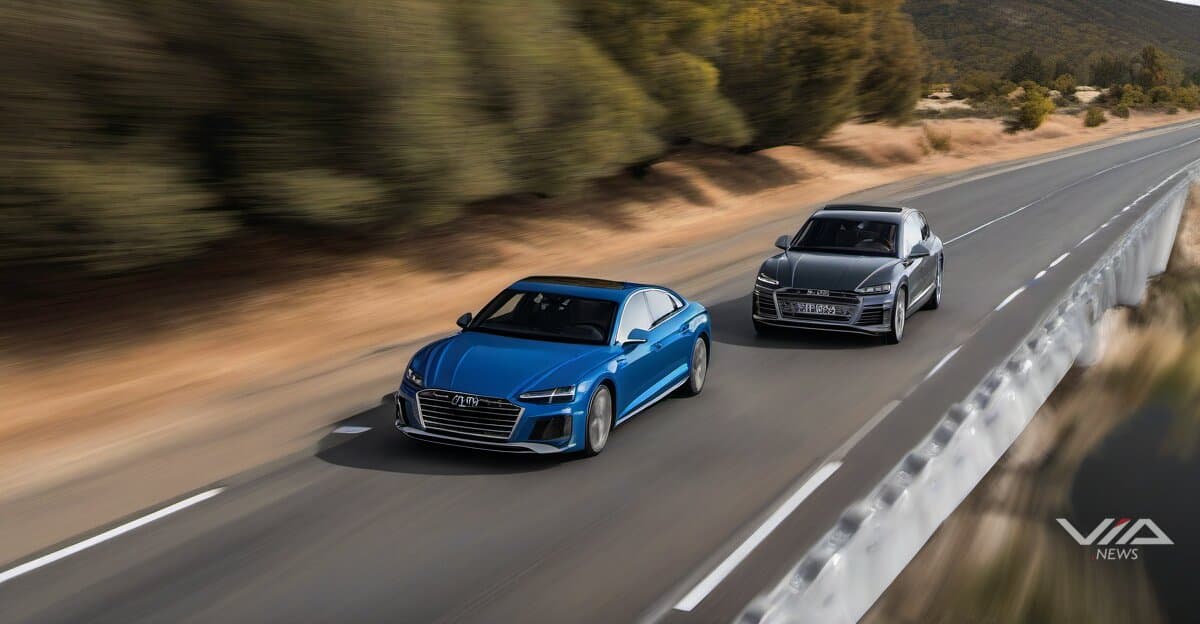
China market weakness pressures near-term volumes. The company's premium SuperVision autonomous driving system launches with Audi and Porsche between 2027-2028, targeting high-end segments while industrial AI vision applications expand separately.
The computer vision market splits into two paths: resource-intensive autonomous driving systems face currency fluctuations and regional headwinds, while task-specific industrial applications gain adoption. Landing AI's manufacturing inspection systems and medical imaging correspondence algorithms represent the practical enterprise deployment track.
AI researcher Timnit Gebru identifies this bifurcation as a tension between giant models requiring massive resources and frugal AI approaches built for specific tasks. When Meta released its No Language Left Behind model covering 200 languages, investors told small African language NLP startups to shut down, illustrating how Big Tech announcements impact specialized players.
Mobileye's dual-chip architecture positions the company in the premium autonomous segment, but execution depends on OEM production schedules and consumer adoption rates in markets beyond China. Operating expenses hit $1.003 billion in 2025, slightly above the $995 million budget due to $7 million in Q4 workforce efficiency costs.
The company's Q1 2026 unit guidance suggests sequential momentum, but full-year projections indicate management expects continuing headwinds from China to offset growth in other regions and premium product launches.