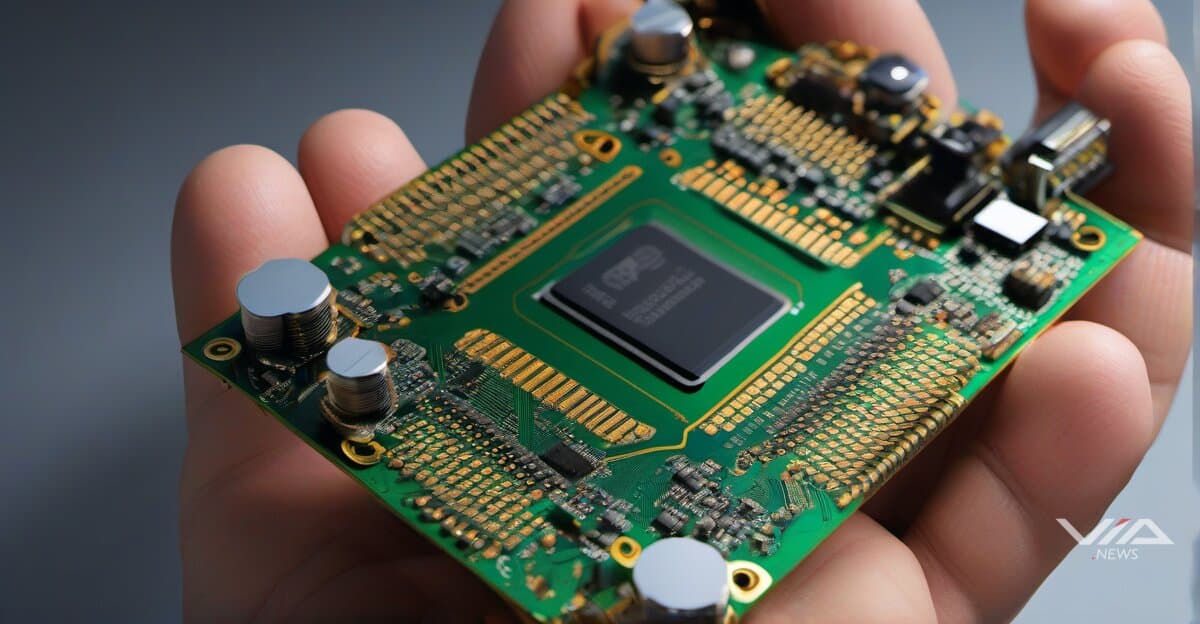
Huawei plans to ship around 750,000 units of its 950PR AI chip in 2026 as Chinese tech companies accelerate their shift away from Nvidia hardware amid US export restrictions. ByteDance and Alibaba are preparing to place orders after customer testing showed strong results.
The 950PR chip offers compatibility features that allow developers at Chinese tech firms to migrate their AI models more easily from Nvidia's CUDA platform. This compatibility marks a shift from earlier domestic chip offerings that required complete software rewrites.
US export bans on many Nvidia AI chips to China drove the Chinese government to launch a domestic semiconductor campaign encouraging local chip adoption. Tech firms report being "much happier" with the 950PR's compatibility compared to previous domestic alternatives.
The migration from CUDA-based systems represents a technical challenge for Chinese AI companies that have built infrastructure around Nvidia's software ecosystem. Huawei's CANN software system now provides a pathway for this transition without starting from scratch.
The planned 750,000 unit shipment volume indicates Huawei's production capacity and market expectations for the 950PR. ByteDance and Alibaba's adoption could accelerate broader market acceptance among Chinese tech companies.
US export restrictions continue to reshape the Chinese AI chip market, with domestic alternatives gaining ground as compatibility and performance gaps narrow. The 950PR's reception will test whether Chinese firms can successfully reduce dependence on US semiconductor technology.
Note: This article is based on hypothesis data. Formal source documents were not provided for citation.