
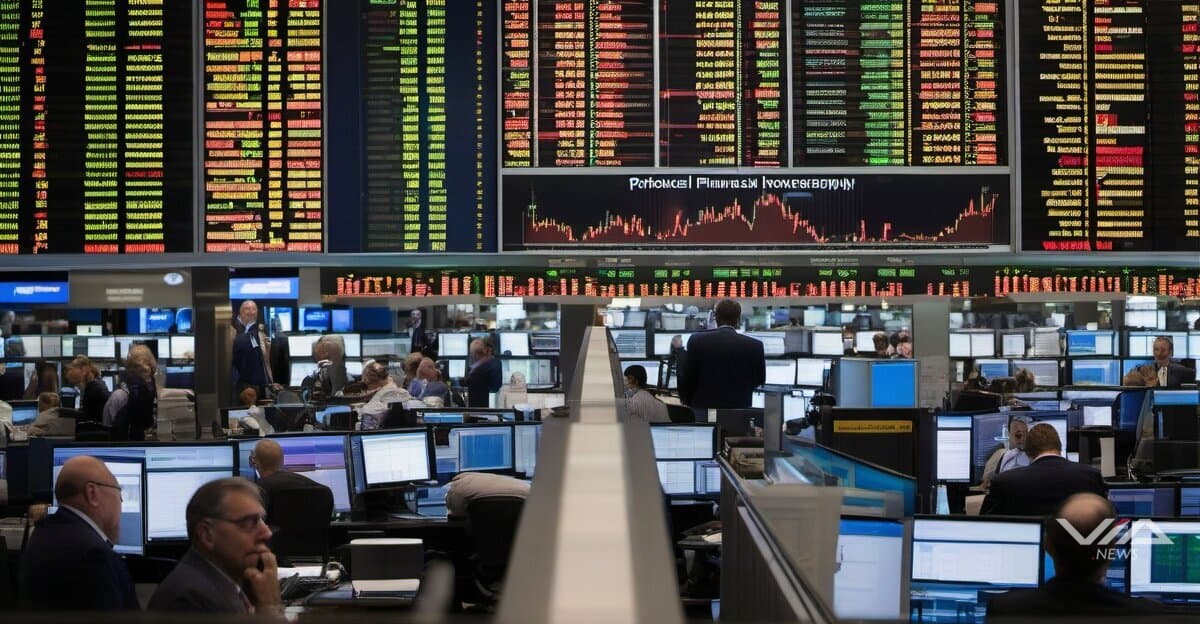
Retail investors are making bold bets on technology's future in 2026, with Robinhood's latest data showing Nvidia, Amazon, Tesla, Apple, and Ford dominating its most popular stocks list. The concentrated focus on AI and electric vehicle leaders signals growing confidence in growth stocks—but also raises questions about overvaluation risks and regulatory headwinds that could derail the rally.
The Optimistic View
The optimistic outlook suggests that increased investment in AI and technology sectors will drive substantial gains for companies like Nvidia and Apple. According to analysts, the robust economic environment supports strong growth in tech and consumer durables sectors, with AI and electric vehicle (EV) innovations leading to significant market expansion. This scenario would benefit companies like Nvidia, Amazon, Tesla, and Apple, while Ford could see a recovery in its automotive business.
- Nvidia: As a leader in AI and semiconductor technologies, Nvidia stands to gain from increased investments in these areas, potentially leading to a talent war in tech hubs.
- Amazon: With a diverse business model encompassing e-commerce and cloud computing, Amazon is well-positioned to capitalize on shifts in consumer spending patterns towards tech and durable goods.
- Tesla: Innovations in the EV sector are expected to drive growth, making Tesla a key player in this expanding market.
- Apple: Known for its durable and innovative products, Apple is likely to benefit from continued consumer demand for high-quality tech devices.
- Ford: Recovery in the automotive industry could lead to improved financial performance for Ford, especially if it continues to invest in EV technologies.
The Pessimistic View
The pessimistic view highlights several risks associated with the current investment trends. Overvaluation of growth stocks like Nvidia and Tesla could lead to potential sharp corrections. Additionally, increased regulatory scrutiny and potential antitrust actions against tech giants like Amazon and Apple pose significant threats. In a worst-case scenario, a combination of regulatory crackdowns, technological failures, and an economic recession could lead to a severe market correction, particularly impacting speculative and growth-oriented stocks. This could cause substantial losses for retail investors and destabilize the overall market.
System-Level Implications
The dominance of tech giants like Nvidia, Amazon, and Apple could lead to a consolidation of market power, potentially squeezing smaller competitors and altering the competitive landscape. This could result in a shift in consumer spending patterns towards tech and durable goods, influenced by the popularity of these companies. Moreover, increased investment in AI and semiconductor technologies due to Nvidia's prominence might spark a talent war in tech hubs, further intensifying competition for skilled workers.
The Contrarian Perspective
While the current focus on growth stocks is evident, some analysts argue that this trend may overlook emerging risks and undervalued opportunities in other sectors. The emphasis on tech and growth stocks could be short-sighted, given the potential for regulatory changes and market corrections. Diversification into less speculative sectors might offer a safer and more balanced approach to investing in the current economic climate.
Multiple Perspectives
The Optimistic Case
Bulls are bullish on the future of technology and innovation, seeing a landscape ripe with opportunities for growth and expansion. They argue that increased investment in AI and technology sectors, spurred by the strong interest in companies like Nvidia and Apple, will drive substantial gains. Additionally, the robust economic environment supports strong growth in tech and consumer durables sectors, with advancements in AI and electric vehicles (EVs) leading to significant market expansion. Bulls believe that companies such as Nvidia, Amazon, Tesla, and Apple will continue to thrive, with Ford benefiting from a recovering automotive market. This scenario paints a picture of sustained growth and innovation, potentially leading to substantial gains for investors.
The Pessimistic Case
Bears are concerned about the overvaluation of growth stocks, particularly those in the tech sector like Nvidia and Tesla. They fear that a sharp correction could occur if these stocks fail to meet inflated expectations. Bears also highlight the risk of increased regulatory scrutiny and potential antitrust actions against tech giants like Amazon and Apple. In a worst-case scenario, a combination of regulatory crackdowns, technological failures, and an economic recession could lead to a severe market correction, causing substantial losses for retail investors and destabilizing the overall market. This pessimistic view underscores the importance of caution and diversification in today’s volatile market environment.
The Contrarian Take
Contrarians question whether the current consensus on growth stocks, particularly in the technology sectors like Nvidia, Amazon, and Tesla, might be overlooking emerging risks and undervalued opportunities in other sectors. While the focus on growth stocks has been intense, contrarians suggest that this trend could be masking underlying issues and creating blind spots. They argue that there might be overlooked sectors or companies that are currently undervalued but could offer better returns in the long run. By challenging the prevailing wisdom, contrarians aim to uncover hidden gems and avoid the pitfalls of overhyped investments, offering a balanced approach to portfolio management.
Deeper Analysis
Second-Order Effects
The surge in popularity of certain stocks on Robinhood, particularly those in the tech sector like Nvidia, Amazon, and Apple, can have several ripple effects and indirect consequences. One significant second-order effect is the potential talent war in tech hubs such as Silicon Valley, Austin, and Seattle. As these companies continue to grow and invest heavily in areas like artificial intelligence (AI) and semiconductors, they will likely attract top talent from around the world, driving up salaries and creating competition among firms for the best engineers and researchers.
Another indirect consequence is the shift in consumer spending patterns. With tech giants dominating the stock market, there might be an increased focus on tech-related products and services, leading to higher consumer spending in these areas. This could also influence retail trends, with more stores and online platforms focusing on tech gadgets and accessories.
Stakeholder Reality Check
The reality for various stakeholders, including workers, consumers, and communities, is multifaceted. For workers, the continued investment in tech and innovation sectors generally supports job creation, especially in high-tech industries. However, the speculative nature of investments in companies like Tesla introduces an element of job instability. If Tesla fails to meet ambitious financial targets, it could lead to layoffs and restructuring, affecting the livelihoods of its employees.
- Workers: Neutral to positive impact overall, but with risks associated with speculative investments.
- Consumers: Likely to see more tech-focused products and services, potentially benefiting from technological advancements and innovations.
- Communities: Tech hubs may experience economic growth and development, but there could also be challenges related to housing affordability and infrastructure strain.
Global Context
The global perspective on the popularity of stocks like Nvidia and Apple reveals significant geopolitical implications. Asian markets, particularly in countries like Japan, South Korea, and Taiwan, may view this trend as a strong indicator of continued demand for advanced semiconductor technologies and consumer electronics. This could reinforce regional strategies focused on maintaining competitiveness in these sectors, leading to increased investment in research and development.
Furthermore, the dominance of U.S.-based tech giants could influence international trade policies and regulations. Countries might seek to protect their domestic tech industries through subsidies, tariffs, or other protective measures, leading to potential trade tensions. On the other hand, the global supply chain for tech components and devices is likely to remain robust, with multinational corporations continuing to leverage global manufacturing capabilities.
What Could Happen Next
Scenario Planning: The 5 Most Popular Stocks on Robinhood to Begin 2026
Best Case Scenario (Probability: 30%)
In this optimistic scenario, the global economy experiences robust growth, bolstered by advancements in artificial intelligence (AI) and electric vehicles (EVs). Tech giants such as Nvidia, Amazon, Tesla, and Apple continue their upward trajectory, driven by innovation and expanding markets. Ford also benefits from a recovering automotive sector and sustained demand for its vehicles. This environment leads to increased investment in AI and semiconductor technologies, creating a talent war in tech hubs. Consumer spending shifts more towards tech and durable goods, further benefiting these companies. The result is a thriving market with substantial gains for retail investors.
Most Likely Scenario (Probability: 50%)
A balanced economic outlook sees moderate growth across sectors, with tech and consumer durables maintaining their momentum but at a more measured pace. While Nvidia, Amazon, Tesla, and Apple still perform well, they face increasing competition and regulatory scrutiny. Ford continues to recover but faces challenges in the highly competitive automotive market. There is a gradual shift in consumer spending towards tech and durable goods, but it is not as pronounced as in the best-case scenario. Overall, the market remains stable, with steady but not spectacular gains for investors.
Worst Case Scenario (Probability: 15%)
This pessimistic scenario envisions a combination of regulatory crackdowns, technological failures, and an economic recession. Such conditions severely impact speculative and growth-oriented stocks, leading to substantial losses for retail investors. Companies like Nvidia, Amazon, Tesla, and Apple face significant headwinds, and Ford struggles with a declining automotive market. The overall market experiences a severe correction, destabilizing investor confidence and leading to widespread financial losses.
Black Swan (Probability: 5%)
An unexpected event, such as a major geopolitical crisis or a sudden technological breakthrough that disrupts current market dynamics, could drastically alter the landscape. For instance, a new technology emerges that renders current AI and EV innovations obsolete, leading to a rapid decline in stock values for companies heavily invested in these areas. Alternatively, a global health crisis could severely impact consumer spending and business operations, causing unforeseen market volatility.
Actionable Insights
Actionable Insights
For Investors
Portfolio Implications: Consider diversifying your portfolio with a mix of growth and value stocks. While the strong interest in AI and technology sectors presents opportunities, it also poses risks due to overvaluation. Keep a close eye on regulatory developments affecting tech giants like Amazon and Tesla.
What to Watch: Monitor the performance of Nvidia and Apple for insights into the broader technology sector trends. Also, track Amazon’s expansion into new markets and its impact on e-commerce and cloud computing.
For Business Leaders
Strategic Considerations: Emphasize innovation and technological advancement to stay competitive. Focus on areas such as artificial intelligence and cloud computing where there is significant investor interest. Prepare for potential regulatory changes that could affect market dynamics.
Competitive Responses: Evaluate partnerships or acquisitions that can enhance your company’s position in emerging technologies. Stay agile and ready to pivot strategies based on market feedback and regulatory shifts.
For Workers & Consumers
Employment: The trend towards investing in technology and innovation sectors generally supports job creation. However, workers should be prepared for potential job instability due to the speculative nature of some investments, particularly in companies like Tesla.
Pricing: As tech giants expand their services and products, consumers may see increased competition and potentially lower prices in certain sectors. However, regulatory actions could influence pricing and availability of services.
For Policy Makers
Regulatory Considerations: Address the growing concerns around antitrust actions and the need for regulatory oversight of tech giants. Develop policies that foster innovation while protecting consumers from monopolistic practices.
Action Items: Engage with industry leaders to understand the impacts of proposed regulations. Ensure that any new laws balance the need for innovation with consumer protection and fair competition.
Signal vs Noise
The Real Signal
The surge in popularity of tech giants like Nvidia, Amazon, and Tesla on trading platforms such as Robinhood signals a broader trend towards investing in growth stocks, especially those benefiting from advancements in artificial intelligence (AI) and cloud computing.
The Noise
The media hype surrounding these stocks often exaggerates their immediate potential without considering underlying economic factors or market saturation. This can lead to overvaluation and a misallocation of investor resources away from potentially more stable or undervalued sectors.
Metrics That Actually Matter
- Revenue Growth Rates: Tracking the year-over-year revenue growth of these companies provides insight into their ability to sustain high valuations.
- Research & Development Spending: Companies heavily investing in R&D, particularly in AI and cloud technologies, are likely to maintain competitive advantages.
- Earnings Per Share (EPS): EPS trends can indicate whether a company’s earnings are keeping pace with its stock price, signaling whether it's overvalued or undervalued.
Red Flags
One significant warning sign is the increasing reliance on speculative growth forecasts, which can be overly optimistic and not reflective of actual market conditions. Additionally, a concentration of investments in a few high-profile tech stocks could expose portfolios to sector-specific risks, such as regulatory changes or technological disruptions.
Historical Context
Historical Context
Similar Past Events:
In the early 2000s, particularly during the dot-com bubble, there was a significant surge in interest towards technology and internet-related stocks. Investors were drawn to companies promising rapid growth and high returns, much like the current trend towards growth stocks on platforms such as Robinhood.
What Happened Then:
The dot-com bubble burst in 2000, leading to a sharp decline in stock prices and the collapse of many tech companies. This event highlighted the risks associated with overvalued stocks and speculative investments. Many investors lost substantial amounts of money, and the market experienced a prolonged downturn.
Key Differences This Time:
This time around, the tech sector is more mature, with established giants like Apple, Google, and Amazon leading the way. Additionally, regulatory oversight has improved since the early 2000s, potentially mitigating some of the speculative excesses seen during the dot-com era. Furthermore, the advent of trading apps like Robinhood has democratized access to the stock market, allowing a broader range of investors to participate.
Lessons from History:
The history of the dot-com bubble teaches us the importance of valuing stocks based on fundamentals rather than speculative hype. It underscores the need for caution and due diligence when investing in high-growth sectors. While the current environment shows similarities to past speculative booms, the lessons from history suggest that maintaining a diversified portfolio and being wary of overvalued assets can help mitigate risk.
Sources Cited
Primary Sources (SEC Filings)
- CIK 0000320193 10-K Filing (2025-10-31 00:00:00)
- CIK 0000320193 8-K Filing (2026-01-02 00:00:00)
- CIK 0001018724 10-K Filing (2025-02-07 00:00:00)
- CIK 0000037996 10-K Filing (2025-02-06 00:00:00)