
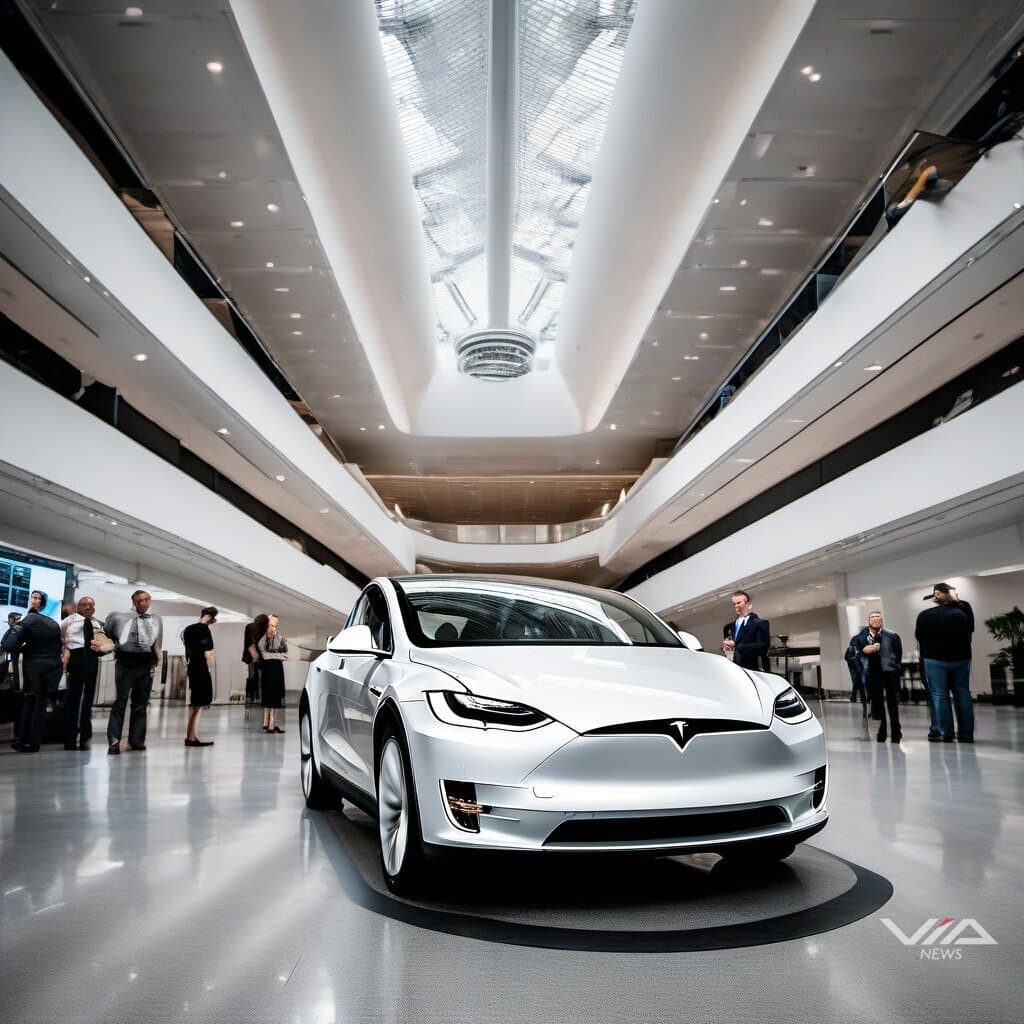
Tesla recently reported a nearly 16% decline in electric vehicle (EV) deliveries for the fourth quarter of 2025, marking a significant slowdown in the company’s core business. Despite this setback, investors remain optimistic, focusing instead on Tesla’s emerging initiatives such as its robotaxi fleet and humanoid robots.
The Optimistic View
Analysts believe that Tesla’s expansion into the robotaxi market and the development of humanoid robots (Optimus) could significantly diversify the company’s revenue streams and create new growth avenues. If Tesla successfully launches and scales these initiatives, it could become a leader in both autonomous transportation and robotics. This strategic move could lead to substantial revenue growth and a significant increase in the company’s market valuation, potentially reaching or exceeding $2,600 per share.
The Pessimistic View
However, there are risks associated with Tesla’s ambitious plans. Overreliance on unproven technologies like robotaxis and humanoid robots could result in these products failing to meet market expectations or achieve profitability. Additionally, the continued decline in EV sales due to increased competition and the loss of government incentives could lead to sustained revenue and profit pressures. If Tesla fails to successfully commercialize its new initiatives, it could face a prolonged period of declining EV sales and profitability, resulting in a significant drop in stock price and erasing a substantial portion of shareholder value.
System-Level Implications
The shift in Tesla’s focus towards robotaxis and humanoid robots could have broader implications for the automotive and technology industries. Supply chain disruptions may occur as Tesla reduces orders from traditional EV component suppliers. Moreover, increased competition in the EV market could lead to consolidation among smaller players. Tesla’s emphasis on AI and robotics could also shift power dynamics towards companies with strong capabilities in these areas, potentially sidelining traditional automakers.
The Contrarian Perspective
While investors are currently optimistic about Tesla’s future growth driven by its new initiatives, some analysts argue that this focus may be premature. The market might be overestimating the potential impact and timeline of these ventures. The ongoing challenges in Tesla’s core business should not be overlooked, as they could pose significant risks if not addressed effectively. It remains to be seen whether Tesla can successfully navigate these challenges while capitalizing on its innovative projects.
Multiple Perspectives
The Optimistic Case
Bulls are enthusiastic about Tesla's future prospects, particularly with the expansion into the robotaxi market and the development of humanoid robots like Optimus. They believe that these initiatives will significantly diversify Tesla's revenue streams and create new growth avenues. By becoming a leader in both autonomous transportation and robotics, Tesla could see substantial revenue growth and an increase in its market valuation. Bulls argue that successful scaling of these initiatives could push Tesla's stock price towards or even beyond $2,600 per share, reflecting the company's innovative leadership and potential for transformative technology.
The Pessimistic Case
Bears express concern over Tesla's ambitious plans, particularly the overreliance on unproven technologies such as robotaxis and humanoid robots. They fear that these initiatives may not meet market expectations or achieve profitability, leading to financial strain. Additionally, bears point out the risk of a continued decline in electric vehicle (EV) sales due to increased competition and the loss of government incentives. If Tesla fails to commercialize its new ventures effectively, it could face a prolonged period of declining EV sales and profitability, resulting in a significant drop in stock price and a substantial erosion of shareholder value.
The Contrarian Take
While the consensus among investors is optimistic about Tesla's future growth, driven by its robotaxi fleet and other new initiatives, some contrarians argue that this focus might be premature. They suggest that the market might be overestimating the potential impact and timeline of these new ventures. Instead, the contrarian view emphasizes that Tesla's core business faces ongoing challenges that could overshadow the benefits of these new initiatives. This perspective highlights the importance of balancing enthusiasm for innovation with a realistic assessment of current business risks and market conditions.
Deeper Analysis
Second-Order Effects
The decline in Tesla's EV deliveries and the shift in investor focus towards new ventures such as the robotaxi fleet and humanoid robots could have several ripple effects across various sectors:
- Economic Shifts: A reduction in EV production could lead to decreased demand for raw materials like lithium and cobalt, impacting mining operations globally.
- Innovation Dynamics: The emphasis on autonomous driving and robotics may accelerate technological advancements in these fields, potentially outpacing traditional automotive innovations.
- Market Competition: As Tesla diverts attention from its core EV business, competitors like Rivian, Lucid, and established automakers like GM and Ford might seize the opportunity to capture market share.
- Supply Chain Adjustments: Suppliers that were heavily reliant on Tesla's orders might need to pivot their business strategies to cater to other manufacturers or diversify their product lines.
Stakeholder Reality Check
The impact of Tesla's declining EV deliveries and strategic shifts is multifaceted, affecting various stakeholders differently:
- Workers: Manufacturing employees at Tesla and its suppliers could face job insecurity due to reduced production volumes. Conversely, there might be increased opportunities in research and development for autonomous vehicles and robotics.
- Consumers: While the immediate effect on current EV owners is minimal, potential buyers might experience longer wait times or higher prices if supply constraints arise. Additionally, the introduction of new technologies like robotaxis could offer innovative mobility solutions but also raise concerns about privacy and safety.
- Communities: Local economies dependent on Tesla's presence, such as those around Gigafactories, could see economic impacts from reduced activity. However, the growth in robotics and autonomous vehicle sectors could bring new investment and job creation opportunities.
Global Context
The international perspective on Tesla's declining EV deliveries and strategic realignment is complex, with varying implications across different regions:
- Asian Markets: Countries like China and South Korea may see this as an opportunity to enhance their own automotive industries. Domestic brands like BYD could leverage this moment to expand their global footprint and challenge Tesla's leadership in the EV market.
- European Union: European automakers might step up their efforts in both EV production and autonomous driving technologies, aiming to capitalize on Tesla's reduced focus on traditional EVs. This could lead to increased competition and innovation within the EU.
- American Industry: In the U.S., the shift towards autonomous vehicles and robotics could spur significant investments in tech infrastructure and workforce training, potentially reshaping the automotive landscape and creating new economic opportunities.
- Global Standards: The evolution of Tesla's business model could influence global standards for electric and autonomous vehicles, potentially setting new benchmarks for safety, efficiency, and sustainability that other manufacturers must meet.
What Could Happen Next
Scenario Planning: Tesla's Future in Autonomous Transportation and Robotics
Best Case Scenario (Probability: 35%)
In this scenario, Tesla successfully launches and scales its robotaxi and humanoid robot initiatives. The company becomes a leader in both autonomous transportation and robotics, driving significant revenue growth. With successful commercialization, Tesla's market valuation could reach or exceed the $2,600 price target set by Cathie Wood of Ark Invest. This would require seamless integration of advanced AI technologies, robust supply chains, and favorable regulatory environments that support autonomous vehicles and robotics.
Most Likely Scenario (Probability: 45%)
A balanced assessment suggests that while Tesla will make progress in its robotaxi and humanoid robot initiatives, these efforts may not fully offset declining EV sales. The company could achieve moderate success in scaling its new ventures, leading to gradual improvements in revenue and market valuation. However, challenges such as high development costs, regulatory hurdles, and increased competition from established tech giants and automakers could limit the pace of growth. This scenario would likely result in a stable but modestly growing stock price, reflecting cautious optimism among investors.
Worst Case Scenario (Probability: 20%)
In the worst-case scenario, Tesla fails to successfully commercialize its robotaxi and humanoid robot initiatives. This failure could lead to a prolonged period of declining EV sales and profitability, resulting in a significant drop in stock price. The company might struggle with high operational costs, regulatory setbacks, and intense competition from rivals who have stronger footholds in AI and robotics. This scenario could erode shareholder confidence, potentially erasing a substantial portion of the company's market value.
Black Swan (Probability: 5%)
An unexpected outcome that nobody is currently discussing could be a sudden breakthrough in battery technology that significantly reduces the cost and increases the efficiency of electric vehicles. This could dramatically change the competitive landscape, benefiting Tesla's core EV business more than anticipated. Alternatively, a major geopolitical event could disrupt global supply chains, affecting Tesla's ability to source critical components for both its EVs and new robotics projects. Such an event could either accelerate or severely hinder Tesla's progress, depending on how quickly the company can adapt.
Actionable Insights
Actionable Insights
For Investors
Portfolio Implications: Tesla's recent decline in EV deliveries by nearly 16% signals a need for investors to reassess their portfolio allocations. Consider diversifying investments into other automotive sectors or technology companies that are less reliant on single product lines.
What to Watch: Keep a close eye on Tesla’s progress in developing and deploying its robotaxi service and humanoid robots (Optimus). These innovations could be game-changers but also carry significant risks. Monitor financial reports for signs of profitability in these new ventures.
For Business Leaders
Strategic Considerations: The decline in Tesla’s EV sales presents both a challenge and an opportunity. Competitors should focus on enhancing their own electric vehicle offerings and exploring partnerships or acquisitions that can bolster their position in the market.
Competitive Responses: Invest in R&D to develop innovative technologies that can compete with Tesla’s upcoming robotaxi and humanoid robot initiatives. This includes improving battery technology, autonomous driving capabilities, and user-friendly interfaces.
For Workers & Consumers
Employment: Tesla’s declining EV sales could lead to job cuts or reduced hiring in the manufacturing sector. Workers should consider upskilling in areas related to robotics and autonomous vehicles to remain competitive in the job market.
Pricing: As competition increases in the EV market, consumers may see more affordable options becoming available. However, the introduction of new technologies like robotaxis might initially drive up costs before achieving economies of scale.
For Policy Makers
Regulatory Considerations: Policymakers should prepare for the integration of autonomous vehicles and humanoid robots into society. This includes drafting regulations around safety standards, liability issues, and privacy concerns associated with these technologies.
Economic Impact: Consider implementing policies that support workforce retraining programs to help workers transition into roles that align with emerging technologies. Additionally, explore incentives for businesses that invest in sustainable and innovative technologies.
Signal vs Noise
The Real Signal
Tesla's recent decline in electric vehicle (EV) deliveries by nearly 16% highlights underlying issues within its core business. Despite investor optimism about future growth areas like the robotaxi fleet, the current performance metrics indicate a need for immediate attention.
The Noise
The media hype surrounding Tesla's ambitious plans for the robotaxi market and other new initiatives may overshadow the company’s current operational challenges. This focus on future potential can distract from the present financial and production realities.
Metrics That Actually Matter
- Quarterly Delivery Numbers: A consistent trend in delivery figures will provide insight into Tesla's ability to meet market demand.
- Profit Margins: Tracking profit margins can reveal how effectively Tesla is managing costs and pricing strategies amid declining sales.
- Production Efficiency: Monitoring factory output and any delays or bottlenecks can signal broader operational issues.
Red Flags
Investors should be wary of overly optimistic projections regarding the robotaxi market without substantial evidence of progress. Additionally, a prolonged period of declining deliveries could indicate deeper structural problems within Tesla's supply chain and manufacturing processes.
Historical Context
Historical Context
Similar Past Events:
In the early 2000s, General Motors (GM) faced declining sales in its traditional automotive segment due to increased competition and economic downturns. Despite these challenges, GM was also investing heavily in new technologies and alternative fuel vehicles, much like Tesla's current focus on emerging technologies such as robotaxis.
What Happened Then:
Despite initial struggles, GM managed to stabilize its core business through strategic cost-cutting measures and restructuring. Additionally, investments in new technologies eventually paid off, leading to innovations like the Chevrolet Volt, which helped GM regain market share and investor confidence.
Key Differences This Time:
The current landscape for Tesla differs significantly from GM’s situation in the early 2000s. Tesla operates in a highly competitive yet rapidly growing electric vehicle market, with strong brand loyalty and a significant lead in technology. Moreover, the global push towards sustainable energy solutions provides a tailwind that wasn't present during GM's earlier challenges.
Lessons from History:
The history of GM teaches us that while short-term declines in core business can be concerning, long-term success often hinges on innovation and adaptability. For Tesla, maintaining investment in emerging technologies while addressing immediate market pressures could be key to sustained growth and investor confidence. Historical precedents suggest that companies that successfully navigate these dual challenges tend to emerge stronger in the long run.