
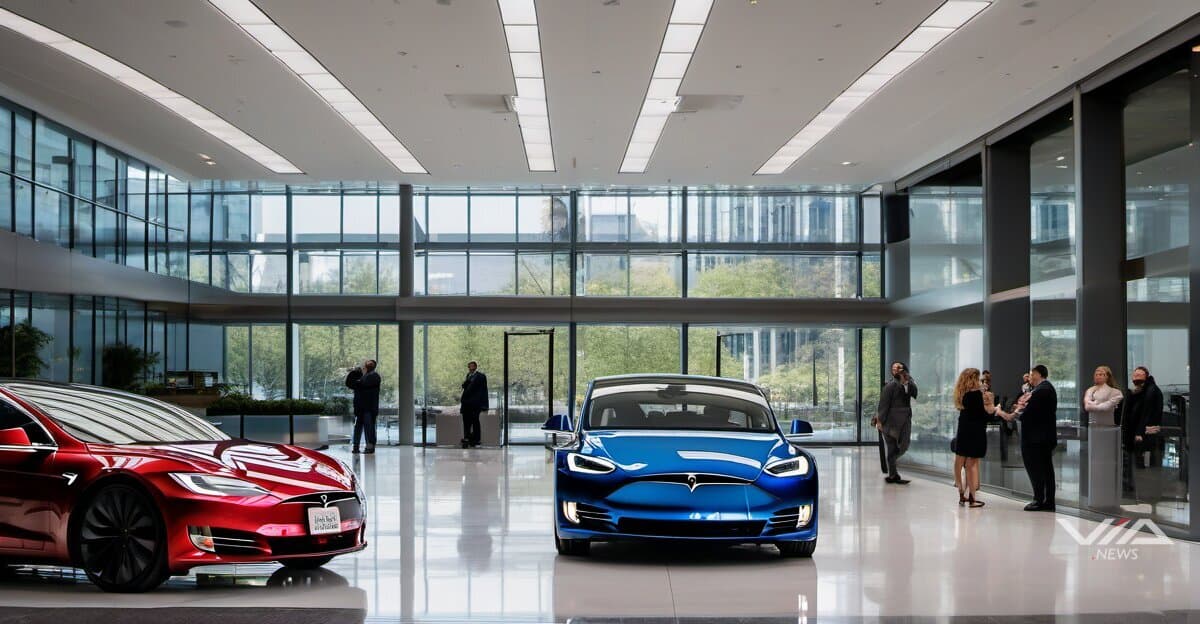
Tesla Inc. (NASDAQ: TSLA) recently reported its operating results for the fourth quarter of 2025, revealing an 8.6% decline in full-year vehicle deliveries and a 46% plunge in annual profits—its first-ever annual sales decline. However, CEO Elon Musk’s conference call with investors highlighted the company’s ambitious plans to expand into autonomous driving and robotics sectors, which could open up new revenue streams and diversify Tesla’s business model.
The Optimistic View
The optimistic view suggests that Tesla’s strategic shift towards autonomous vehicles and humanoid robots could be a bold pivot to capture emerging markets. According to analysts, the potential for significant market share growth in the rapidly expanding autonomous vehicle and humanoid robot markets is substantial. If Tesla successfully transitions into these new markets, achieving significant market penetration and revenue growth, it could lead to a substantial increase in stock valuation as investors recognize the potential of these new ventures.
- Expansion into Autonomous Driving: Tesla’s autonomous robotaxi, the Cybercab, is set to revolutionize urban transportation. The company has outlined an aggressive production timeline, targeting production to begin in April 2026 at Gigafactory Texas.
- Diversification of Business Model: By discontinuing the Model S and Model X—its legacy flagship models that represented just 3% of 2025 sales—Tesla is signaling a move away from traditional EVs towards more advanced technologies. This could position Tesla as a leader in the next generation of mobility solutions.
The Pessimistic View
The pessimistic view highlights several risks associated with Tesla’s strategic shift. Regulatory hurdles for autonomous driving technology could delay or prevent widespread adoption of the Cybercab. Additionally, the discontinuation of popular models like the Model S and Model X could alienate loyal customers and damage brand reputation. If Tesla fails to achieve significant revenue from its new initiatives, it could face a prolonged period of declining sales and profits, leading to a severe stock price correction and potentially erasing much of the company’s market capitalization.
- Regulatory Challenges: Autonomous driving technology faces stringent regulatory requirements, which could slow down the deployment of the Cybercab and impact Tesla’s ability to generate revenue from this new product line.
- Brand Reputation Risks: Discontinuing popular models could upset existing customers who have invested in Tesla’s current lineup. This could lead to a loss of customer loyalty and negatively affect sales.
System-Level Implications
Tesla’s strategic pivot towards autonomous vehicles and robotics could have far-reaching implications for the automotive industry and beyond. The shift in automotive supply chains towards autonomous vehicle components and away from traditional passenger EV parts could reshape the industry landscape. There could also be increased demand for robotics and AI expertise, potentially leading to labor shortages in these fields. As Tesla redefines the competitive landscape, traditional automakers may struggle to keep pace, while new competitors in tech and robotics sectors could emerge.
The Contrarian Perspective
A contrarian viewpoint argues that Tesla’s high valuation already factors in the potential success of its new initiatives. The company’s stock price might be overly optimistic given the current challenges in the EV market and the uncertainties surrounding the development and adoption of autonomous driving technology. Critics suggest that investors should be cautious and consider the risks involved before betting heavily on Tesla’s future prospects.
In conclusion, Tesla’s recent strategic shift presents both opportunities and risks. While the potential for significant market share growth in emerging markets is promising, the company must navigate regulatory challenges and maintain customer loyalty. The broader implications of Tesla’s pivot could redefine the automotive industry and create new dynamics in the tech and robotics sectors. Investors and stakeholders will need to carefully weigh the potential rewards against the inherent risks as Tesla charts its course forward.
Multiple Perspectives
The Optimistic Case
Bulls believe Tesla is on the cusp of a transformative shift into new markets that could redefine its business model and significantly boost its stock valuation. They argue that Tesla’s expansion into autonomous driving and robotics sectors presents a unique opportunity to tap into rapidly growing industries. With the potential for substantial market share growth in autonomous vehicles and humanoid robots, bulls envision a future where Tesla not only maintains but also enhances its leadership position in the automotive industry. This strategic move could open up new revenue streams, diversifying Tesla’s portfolio and reducing dependency on traditional electric vehicle (EV) sales. Bulls are confident that successful integration into these emerging markets will lead to increased profitability and a higher stock price, rewarding early investors who see the long-term potential.
The Pessimistic Case
Bears express significant concern over the risks associated with Tesla’s ambitious plans. They highlight regulatory hurdles that could delay or even prevent the widespread adoption of autonomous driving technologies, such as the Cybercab. Bears also point out that discontinuing popular models like the Model S and Model X could alienate loyal customers and tarnish Tesla’s brand reputation. Furthermore, there is skepticism regarding Tesla’s ability to generate meaningful revenue from its new initiatives. If these ventures fail to deliver, it could lead to a prolonged period of declining sales and profits, resulting in a severe correction in Tesla’s stock price. Bears argue that the current high valuation does not reflect the inherent risks and uncertainties involved in these new ventures, making Tesla an overvalued investment at present.
The Contrarian Take
The consensus view often overlooks the boldness of Tesla’s strategic shift towards autonomous vehicles and humanoid robots. While the majority may focus on the challenges and risks, a contrarian perspective suggests that this pivot could be a shrewd move to capture emerging markets. By positioning itself at the forefront of these cutting-edge technologies, Tesla might be setting the stage for new revenue streams that could offset any decline in traditional EV sales. This approach could redefine Tesla’s competitive landscape, offering a fresh narrative that aligns with future technological trends. Contrarians believe that while the path ahead is fraught with challenges, the potential rewards could far outweigh the risks, making Tesla’s current strategy a calculated gamble worth considering.
Deeper Analysis
Second-Order Effects
The shift towards autonomous vehicles and robotics by Tesla could have far-reaching implications beyond immediate financial performance. One significant ripple effect is the potential realignment of the global automotive supply chain. As Tesla pivots, suppliers who specialize in traditional EV components may face reduced orders, while those with expertise in autonomous driving technologies and robotics stand to benefit. This transition could lead to consolidation within the supply chain, with some companies thriving and others struggling to adapt.
Another indirect consequence is the impact on urban planning and infrastructure. Autonomous vehicles could reduce the need for parking spaces in city centers, freeing up land for other uses such as green spaces or housing. However, this change would require significant investment in smart city technology and infrastructure to support autonomous vehicle operations safely and efficiently.
Stakeholder Reality Check
- Workers: The discontinuation of the Model S and Model X lines will likely result in layoffs among manufacturing staff and support roles. While Tesla plans to hire for new positions in robotics and autonomous vehicle development, the skills required for these roles may differ significantly from those needed for traditional vehicle assembly, potentially leaving some workers without immediate opportunities.
- Consumers: In the short term, the focus on autonomous vehicles and robotics might mean fewer options for those looking to purchase a traditional electric car. However, long-term benefits could include safer roads and more efficient transportation systems, which could appeal to consumers seeking sustainable and technologically advanced solutions.
- Communities: Communities near Tesla's manufacturing facilities could experience economic shifts as the company restructures its workforce. Local economies that rely heavily on automotive manufacturing may need to diversify their economic base to accommodate the changing industry landscape.
Global Context
Tesla's strategic shift has significant geopolitical implications, particularly in Asia where competition is fierce. In China, Tesla's declining EV sales and pivot towards autonomous vehicles and robotics could provide an opening for domestic automakers like BYD to capture a larger share of the global market. This scenario highlights the growing importance of technological innovation in the automotive sector and the role it plays in national economic strategies.
Moreover, the move towards autonomous vehicles could influence international trade policies and regulations. Countries that invest heavily in developing autonomous vehicle technologies may seek to protect their industries through tariffs or subsidies, potentially leading to trade tensions. Conversely, countries that embrace open trade policies might attract foreign investments in autonomous vehicle research and development, fostering technological advancements and economic growth.
What Could Happen Next
Scenario Planning: What Could Happen Next with Tesla?
Best Case Scenario (Probability: 30%)
In this scenario, Tesla successfully navigates its transition into the autonomous vehicle and robotics markets. The company achieves significant market penetration and revenue growth, driven by innovative products and services. Investors recognize the potential of these new ventures, leading to a substantial increase in stock valuation. Tesla's strategic pivot also redefines the competitive landscape, potentially marginalizing traditional automakers and creating new competitors in tech and robotics sectors. This scenario assumes that Tesla can overcome current technological and regulatory hurdles, maintain strong financial performance, and continue to innovate at a rapid pace.
Most Likely Scenario (Probability: 50%)
The most likely scenario involves a balanced assessment where Tesla makes progress in its new initiatives but faces challenges along the way. While the company sees some success in autonomous vehicles and robotics, it may not achieve the level of market penetration initially anticipated. Financial performance remains stable, but there are periods of fluctuation due to ongoing investments in research and development. This scenario suggests that Tesla will continue to be a leader in the industry but will face competition and regulatory scrutiny, which could impact its stock performance over time.
Worst Case Scenario (Probability: 20%)
In the worst-case scenario, Tesla fails to achieve significant revenue from its new initiatives, leading to a prolonged period of declining sales and profits. The company may struggle with technological limitations, regulatory issues, and increased competition from both traditional automakers and emerging tech companies. This could result in a severe stock price correction, potentially erasing much of the company's market capitalization and leaving investors with substantial losses. Additionally, the failure to meet expectations in new markets could damage Tesla's reputation and long-term prospects in the automotive and technology industries.
Black Swan (Probability: 5%)
An unexpected outcome that nobody is currently discussing could involve a major geopolitical event or global economic crisis that disrupts supply chains and consumer spending patterns. Such an event could severely impact Tesla's ability to produce and sell vehicles, leading to a sudden and dramatic decline in stock value. Alternatively, a breakthrough in battery technology or energy storage solutions developed by another company could outpace Tesla's innovations, leading to a loss of competitive advantage and market share.
Actionable Insights
Actionable Insights
For Investors
Portfolio Implications: Tesla's strategic moves into autonomous driving and robotics present long-term growth opportunities. However, investors should closely monitor regulatory developments that could impact the timeline for autonomous vehicle adoption. Diversifying your portfolio with companies that have strong positions in both traditional automotive and emerging tech sectors may mitigate risks.
What to Watch: Keep an eye on Tesla’s quarterly earnings reports for updates on autonomous driving progress and any announcements regarding the Cybercab. Additionally, track regulatory news from agencies such as the NHTSA (National Highway Traffic Safety Administration) for insights into potential delays or advancements in autonomous vehicle regulations.
For Business Leaders
Strategic Considerations: The shift towards autonomous driving and robotics by Tesla signals a broader industry trend. Companies should consider investing in R&D for autonomous technologies and explore partnerships or acquisitions to stay competitive. Evaluating the potential for diversification into adjacent markets can also provide a strategic advantage.
Competitive Responses: Businesses in the automotive sector should focus on developing their own autonomous capabilities or forming alliances with tech firms. Monitoring Tesla’s progress and consumer reception to its new models will be crucial in adjusting strategies to maintain market share.
For Workers & Consumers
Employment: The discontinuation of the Model S and Model X could lead to job losses in manufacturing and support roles. Workers in these areas should consider retraining programs offered by Tesla or other organizations to acquire skills in autonomous driving and robotics.
Pricing: As Tesla expands into new segments like autonomous driving and robotics, consumers might see changes in pricing and product offerings. Keeping an eye on new model releases and pricing strategies can help in making informed purchasing decisions.
For Policy Makers
Regulatory Considerations: The advancement of autonomous driving technology requires careful regulation to ensure safety and public trust. Policymakers should work on creating a balanced framework that encourages innovation while safeguarding public interests. This includes setting clear guidelines for testing, deployment, and liability issues associated with autonomous vehicles.
Public Engagement: Engaging with stakeholders, including industry experts, consumer groups, and workers, is essential to develop comprehensive policies. Public consultations and expert panels can provide valuable insights into the social and economic impacts of autonomous driving technology.
Signal vs Noise
The Real Signal
Tesla's strategic pivot towards autonomous vehicles and robotics represents a significant shift that could redefine its future prospects. This move into emerging markets could provide new revenue streams and diversify the company's offerings beyond electric vehicles (EVs), potentially mitigating risks associated with declining EV sales.
The Noise
The media hype surrounding Tesla often focuses excessively on short-term stock price fluctuations and Elon Musk’s tweets, which can distract from the company’s long-term strategic initiatives. Overemphasis on quarterly earnings reports without considering the broader context of Tesla's evolving business model can lead to misinterpretations of the company's health and potential.
Metrics That Actually Matter
- Autonomous Driving Revenue: Growth in revenue from autonomous driving services and software subscriptions.
- Robotics Progress: Development milestones and commercialization timelines for Tesla's humanoid robot, Optimus.
- Market Share in Emerging Markets: Tesla's market share in autonomous driving and robotics sectors compared to competitors.
Red Flags
While Tesla's strategic shift is promising, there are several warning signs that warrant attention. These include delays in the development and deployment of autonomous driving technology, regulatory challenges in new markets, and the financial sustainability of investing heavily in these new ventures while facing declining EV sales. Additionally, competition in both autonomous driving and robotics is intensifying, posing a significant challenge to Tesla's ability to maintain a leadership position in these emerging fields.
Historical Context
Historical Context
Similar Past Events:
In 2019, Tesla faced a significant downturn in its stock price after reporting lower-than-expected quarterly earnings. The company also faced challenges in scaling up production of the Model 3, leading to concerns over cash flow and operational efficiency.
What Happened Then:
Tesla managed to overcome these challenges by improving production processes and securing additional financing. By the end of 2019, the company had surpassed its production goals and saw a rebound in its stock price, driven by renewed investor confidence and positive market sentiment towards electric vehicles (EVs).
Key Differences This Time:
The current scenario differs from 2019 in several key aspects. Firstly, Tesla now has a more diversified product lineup, including the Cybertruck and Semi, which were not part of the company’s offerings in 2019. Secondly, the global EV market has grown significantly, with increased competition from established automakers and new entrants. Lastly, regulatory pressures and technological advancements have evolved, impacting the industry landscape.
Lessons from History:
Past events teach us that Tesla's ability to innovate and adapt to market conditions is crucial. The company's success in overcoming previous challenges through strategic adjustments and technological advancements suggests that it may be able to navigate current difficulties. However, the increased competition and evolving regulatory environment present new hurdles that require different strategies compared to those used in 2019.