
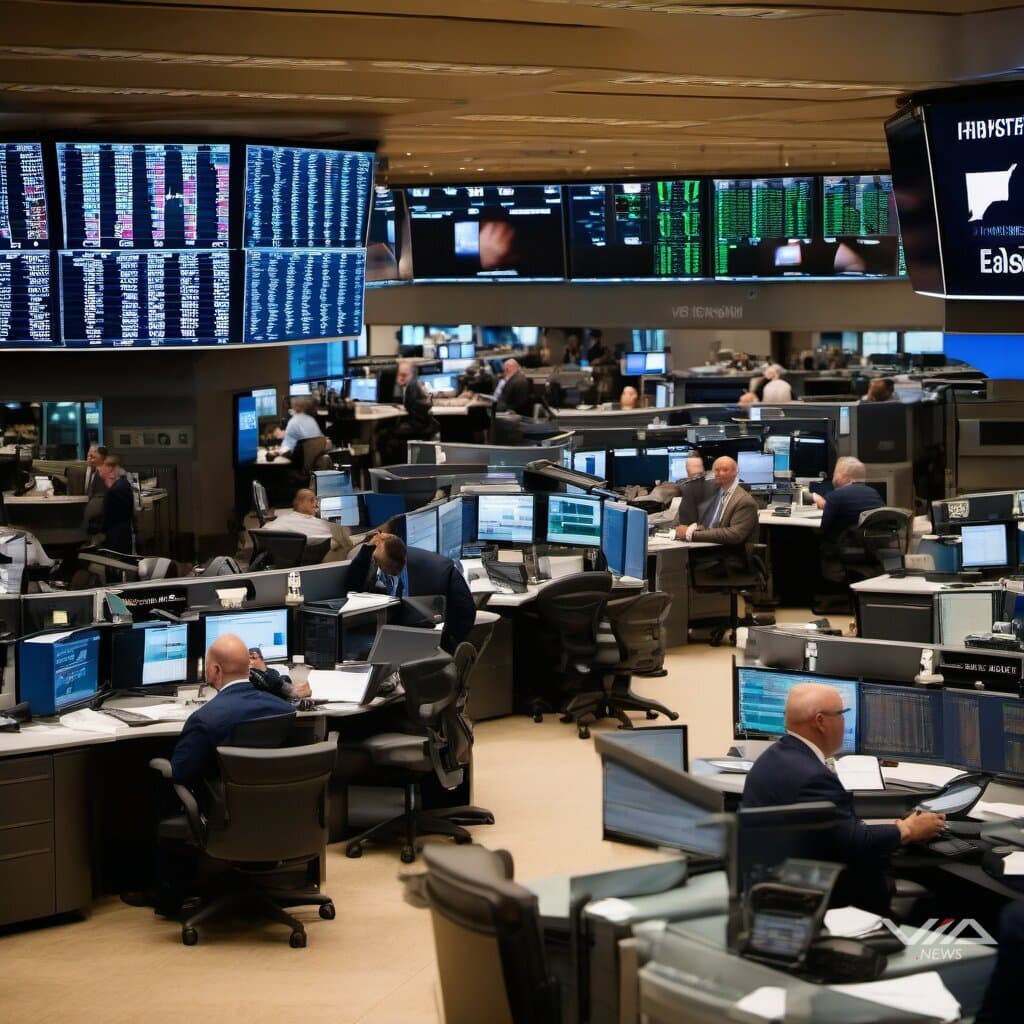
US stock futures remained stagnant on Wednesday, with the Dow Jones Industrial Average, S&P 500, and tech-heavy Nasdaq 100 all showing slight declines. This comes ahead of a new round of major bank earnings reports and a potential Supreme Court decision on US tariffs, which could have significant impacts on market sentiment and performance.
The Optimistic Outlook
The market has several reasons to look forward to a potential rebound. Positive earnings reports from major banks could bolster investor confidence and drive a market recovery. Additionally, a favorable Supreme Court ruling on tariffs could ease trade tensions and stabilize markets, encouraging increased investment. If these two factors align positively, there is a strong possibility that indices could push back towards record levels.
The Pessimistic Scenario
However, there are also significant risks that could lead to a market downturn. Negative earnings reports from major banks could trigger broader sell-offs, while uncertainty around the Supreme Court's ruling on tariffs could exacerbate trade tensions and economic instability. A combination of these factors, along with potential political interference in the Federal Reserve, could result in a prolonged period of low growth and high market volatility.
System-Level Implications
The upcoming events could have far-reaching effects on the economy and investment strategies. Increased uncertainty in supply chains due to potential changes in trade policies might force companies to reassess their global operations. Investors may also shift their focus towards safer assets like precious metals. In addition, the competitive landscape within the banking sector could change as financial institutions adjust their lending practices and investment portfolios in response to regulatory and market pressures.
The Contrarian Perspective
While the upcoming bank earnings and Supreme Court ruling are significant, some analysts argue that they may not be as influential as widely believed. Other factors such as geopolitical events, consumer confidence, and broader economic indicators could play a more substantial role in determining market performance. This suggests that investors should maintain a diversified approach and not solely rely on these specific events to guide their investment decisions.
Multiple Perspectives
The Optimistic Case
Bulls in the market are looking forward to several key events that could significantly boost investor confidence and lead to a market rebound. One of the primary drivers is the potential for positive earnings reports from major banks. If these reports exceed expectations, it could signal a strong financial sector, which often acts as a bellwether for the broader economy.
Additionally, bulls are hopeful about a favorable Supreme Court ruling on tariffs. Such a decision could alleviate trade tensions between major economies, fostering a more stable global environment conducive to investment. This stability could encourage investors to shift their focus from safe-haven assets to riskier investments, thereby driving up market indices.
If these factors align, there is a possibility that market indices could push back towards record levels, reflecting a robust recovery and renewed optimism among investors.
The Pessimistic Case
Bears are concerned about the potential for negative outcomes from upcoming events that could trigger broader market sell-offs. Disappointing earnings reports from major banks could indicate underlying issues within the financial sector, which could have far-reaching implications for the economy. This could lead to a loss of investor confidence and a subsequent sell-off in the market.
Furthermore, uncertainty surrounding the Supreme Court's ruling on tariffs remains a significant concern. An unfavorable ruling could exacerbate trade tensions, leading to economic instability and reduced business confidence. Combined with potential political interference in the Federal Reserve's operations, this could result in a prolonged period of low growth and high market volatility.
In summary, bears believe that a combination of poor bank earnings, unfavorable Supreme Court rulings, and political meddling could lead to a significant market downturn, creating an environment of economic uncertainty and reduced investment activity.
The Contrarian Take
While the market is currently focused on upcoming bank earnings and the Supreme Court ruling on tariffs, contrarians argue that these factors may not be as influential as commonly believed. Instead, other elements such as geopolitical events, consumer confidence, and broader economic indicators could play a more significant role in determining market performance.
For instance, geopolitical tensions or unexpected policy changes could suddenly impact investor sentiment and market direction. Similarly, shifts in consumer confidence, driven by employment rates, wage growth, and inflation, can influence spending patterns and corporate profits, ultimately affecting stock prices.
Therefore, while bank earnings and the Supreme Court ruling are important, contrarians suggest that investors should also pay close attention to a wider range of economic and political factors that could shape the market's trajectory in the coming months.
Deeper Analysis
Second-Order Effects
The current pause in the U.S. stock market and the anticipation of significant events such as the Supreme Court ruling on tariffs and the release of bank earnings can trigger several second-order effects. One key area to watch is the reaction in global financial markets. If the Supreme Court rules against the administration’s use of tariffs, it could lead to increased volatility in global trade relations, affecting not just the U.S. but also trading partners worldwide. This could result in a reevaluation of trade agreements and supply chain strategies by multinational corporations.
Another ripple effect is the potential shift in investment strategies. Investors might move towards more conservative investments, such as precious metals or government bonds, if they perceive an increase in economic uncertainty. This could lead to a decrease in risk appetite, impacting sectors heavily reliant on equity financing, such as technology and biotech.
Stakeholder Reality Check
While the immediate impact on workers and consumers may not be drastic, there are several ways in which these market dynamics could affect them. For workers, the indirect effects of changes in trade policy and bank earnings could manifest through shifts in corporate investment and hiring practices. If companies decide to cut back on expansion plans due to increased uncertainty, it could lead to slower job growth or even layoffs in certain sectors.
For consumers, the potential rise in prices due to tariffs could affect purchasing power and consumer confidence. If the cost of goods increases, consumers might have less disposable income, leading to a slowdown in retail sales and discretionary spending. This could, in turn, affect businesses that rely on consumer spending, creating a ripple effect throughout the economy.
Global Context
- Asian Markets: The pause in the U.S. stock market and the pending Supreme Court decision on tariffs will likely be closely watched by Asian markets. Any indication of increased trade tensions could lead to a reassessment of investment strategies and trade relationships within the region. This could affect the flow of capital and trade volumes between Asia and the U.S., influencing economic growth in both regions.
- European Union: European markets may also be impacted by the outcome of the Supreme Court ruling on tariffs. The EU has been a vocal critic of U.S. trade policies, and any escalation in trade disputes could lead to retaliatory measures. This could affect transatlantic trade and investment flows, potentially leading to a broader economic slowdown.
- Latin America: Countries in Latin America that have significant trade ties with the U.S. could face challenges if tariffs are imposed or if there is a change in trade policy. This could affect export-oriented industries and lead to economic instability in some countries, particularly those with high dependence on U.S. trade.
What Could Happen Next
Scenario Planning: What Could Happen Next?
Best Case Scenario (Probability: 25%)
In this scenario, major banks report significantly better-than-expected earnings, bolstering investor confidence. Simultaneously, the Supreme Court rules favorably on tariffs, reducing trade tensions and stabilizing global supply chains. This positive momentum, combined with the Federal Reserve maintaining a steady monetary policy, could push the Dow, S&P 500, and Nasdaq indices back towards record highs. Investors would likely see an increase in risk appetite, leading to broader market gains across various sectors.
Most Likely Scenario (Probability: 50%)
A balanced view suggests that while some banks may report decent earnings, others might fall short of expectations, leading to mixed reactions in the market. The Supreme Court's ruling on tariffs is likely to be nuanced, providing some clarity but also introducing new uncertainties. The Federal Reserve remains cautious, possibly signaling a slight tightening of monetary policy to manage inflationary pressures. This scenario would result in moderate market performance, with indices showing modest gains or losses, and investors maintaining a watchful eye on economic indicators and corporate earnings.
Worst Case Scenario (Probability: 20%)
If major banks report disappointing earnings and the Supreme Court rules unfavorably on tariffs, it could trigger a sharp sell-off in the stock market. Political interference in the Federal Reserve’s operations could further exacerbate market instability, leading to a prolonged period of low growth and high volatility. Investors would likely seek refuge in safer assets such as precious metals, causing a significant shift in investment strategies and a decline in equity valuations. This scenario would also intensify systemic risks, particularly in supply chain disruptions and financial sector adjustments.
Black Swan (Probability: 5%)
An unexpected outcome that no one is currently discussing could involve a sudden geopolitical event, such as a major international conflict or a significant technological breakthrough that disrupts current market dynamics. Such an event could rapidly change investor sentiment and market conditions, leading to unpredictable outcomes in the stock market. While highly speculative, this scenario underscores the importance of being prepared for unforeseen events that could drastically alter the economic landscape.
Actionable Insights
Actionable Insights
For Investors
Portfolio Implications:
- Monitor Bank Earnings Reports: Pay close attention to upcoming earnings reports from major banks. Positive results can bolster investor confidence and potentially drive market recovery.
- Diversify Holdings: Consider diversifying your portfolio to include sectors less directly impacted by trade tensions, such as healthcare or consumer staples.
- Supreme Court Ruling Watch: Keep an eye on the Supreme Court’s decision regarding tariffs. A favorable outcome could alleviate trade-related uncertainties, while a negative one might necessitate a more cautious investment approach.
For Business Leaders
Strategic Considerations:
- Evaluate Supply Chain Resilience: Assess how your supply chain could be affected by potential changes in tariffs. Diversifying suppliers or exploring alternative markets may mitigate risks.
- Prepare for Market Volatility: Develop contingency plans to manage financial risks associated with market fluctuations. This includes hedging strategies and maintaining liquidity reserves.
- Engage with Regulatory Bodies: Stay informed about regulatory developments and engage with policymakers to advocate for business-friendly policies that support growth and stability.
For Workers & Consumers
Employment and Prices:
- Job Security: While the immediate impact on job security is unclear, indirect effects from changes in banking regulations and tariffs could influence job stability in various sectors. Stay informed about industry-specific trends.
- Price Fluctuations: Be prepared for potential price changes due to tariffs. Monitor pricing in key areas like groceries and electronics, where tariffs could have a direct impact.
- Financial Planning: Consider adjusting your budget to account for possible price increases. Diversifying spending across different categories can help manage financial stress.
For Policy Makers
Regulatory Considerations:
- Promote Trade Stability: Advocate for policies that promote stable trade relations and minimize uncertainty. This can help businesses plan more effectively and maintain economic growth.
- Support Financial Sector: Implement measures to support the banking sector, ensuring it remains resilient and capable of supporting economic activities during periods of market volatility.
- Engage Stakeholders: Collaborate with industry leaders, workers, and consumers to understand their concerns and develop policies that balance economic interests with social welfare.
Signal vs Noise
The Real Signal
The real signal in today’s market news lies in the broader economic indicators and geopolitical events rather than the immediate focus on bank earnings and the Supreme Court ruling. These factors can significantly influence investor sentiment and market direction.
The Noise
The noise in this context includes the excessive speculation around specific bank earnings and the potential impact of the Supreme Court ruling. While these are important, they often overshadow other critical factors that have a more substantial impact on the market.
Metrics That Actually Matter
- Consumer Confidence Index: Reflects how consumers feel about the economy and their willingness to spend, which directly impacts GDP growth.
- Geopolitical Tensions: Events like trade disputes, conflicts, and diplomatic relations can cause significant volatility in financial markets.
- Broad Economic Indicators: Including unemployment rates, inflation levels, and manufacturing activity, which provide a comprehensive view of the economy’s health.
Red Flags
A warning sign that many overlook is the potential for sudden shifts in geopolitical tensions. This can quickly overshadow corporate earnings and legal decisions, leading to unexpected market movements. Investors should remain vigilant about international developments that could affect global markets.
Historical Context
Historical Context
Similar Past Events:
In 2018, the U.S. stock market faced significant volatility due to concerns over trade tensions and pending regulatory decisions. The market experienced several sharp declines, particularly in February and October, as investors grappled with uncertainty surrounding tariffs and geopolitical risks.
What Happened Then:
The market initially reacted negatively to the imposition of tariffs, leading to a decline in major indices like the Dow Jones Industrial Average and the S&P 500. However, after initial drops, the market rebounded as companies and investors adapted to new trade realities and economic forecasts adjusted accordingly.
Key Differences This Time:
This time around, the market is more cautious due to ongoing geopolitical tensions and the potential for broader economic impacts. Additionally, the current landscape includes heightened scrutiny of tech giants and financial institutions, which adds an extra layer of complexity to market dynamics.
Lessons from History:
Past events teach us that market reactions to regulatory and trade uncertainties can be volatile but often stabilize once the full implications are understood. Investors should remain vigilant and consider diversifying their portfolios to mitigate risk. Historical trends also suggest that long-term investment strategies tend to weather short-term market fluctuations better than reactive trading.