
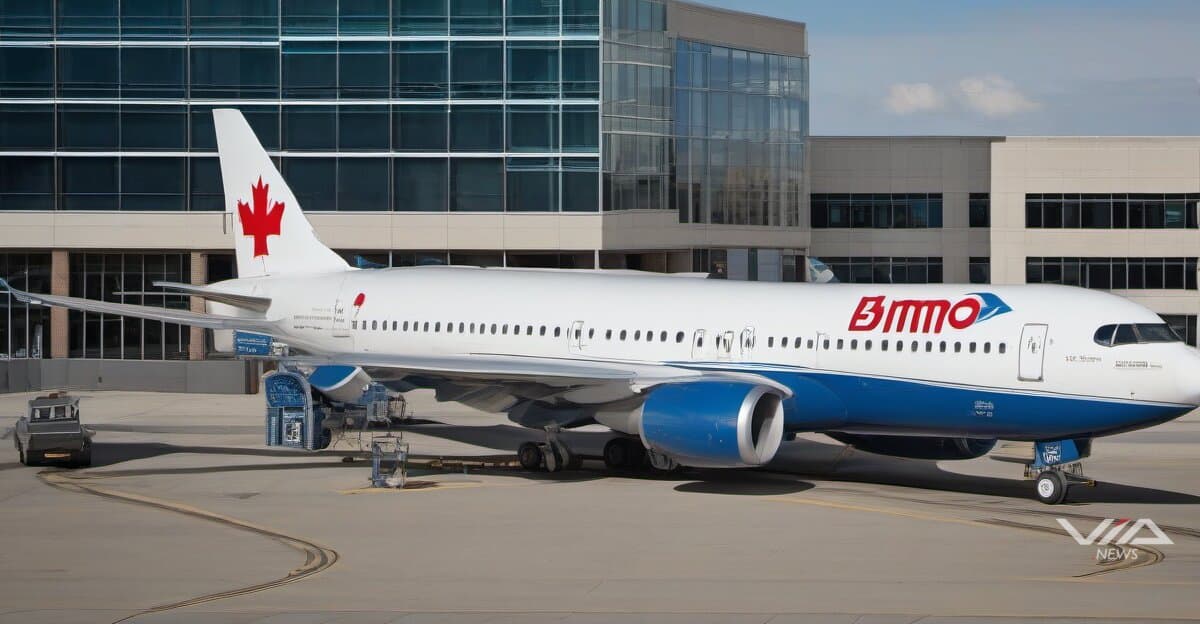
Bank of Montreal announced its exit from AIR MILES on January 26, 2026, initiating a shift that analysts expect will reduce the loyalty program's transaction volume by 15-25% over the next two years. Diversified Royalty Corp (DIV.TO) owns AIR MILES through AM Royalties Limited Partnership, making BMO's departure material to the company's royalty revenue model.
BMO serves dual roles in the AIR MILES ecosystem: customer of Air Miles Loyalty Inc. and guarantor of AM Royalties Limited Partnership. The bank's transition to a proprietary loyalty program removes a major transaction generator from the AIR MILES network at a confidence level of 78% for the predicted impact range.
Multiple partnership amendments and contract awards materialized on January 26, pointing to immediate contract restructuring. The timing suggests AIR MILES management anticipated the departure and moved to shore up alternative partnerships. Market observers will track Q1-Q4 2026 enrollment and redemption volumes to validate the 15-25% transaction decline thesis.
Diversified Royalty Corp faces revenue pressure across its AIR MILES segment as BMO customers migrate to the new program. The company's quarterly earnings reports will reveal whether the partnership restructuring offsets lost BMO volume or if royalty payments from AM Royalties Limited Partnership contract accordingly.
Canadian loyalty program market share dynamics now favor players who can replace BMO's contribution. Competitors including PC Optimum and Scene+ could absorb displaced AIR MILES collectors, fragmenting the rewards ecosystem further. The 15-25% volume reduction assumes moderate customer retention by AIR MILES through existing grocery, fuel, and retail partnerships.
Investors monitoring DIV.TO should examine three metrics through 2027: AIR MILES segment revenue changes in quarterly reports, program enrollment trends, and BMO customer migration rates. The test criteria provide clear validation points for the predictive hypothesis, with Q2 2026 results offering the first substantive data on post-exit performance.
The departure marks a shift in bank-loyalty program relationships, with financial institutions increasingly favoring proprietary rewards systems over third-party platforms. This trend could pressure other AIR MILES banking partners to reconsider their participation, compounding volume risks beyond the immediate BMO impact.