
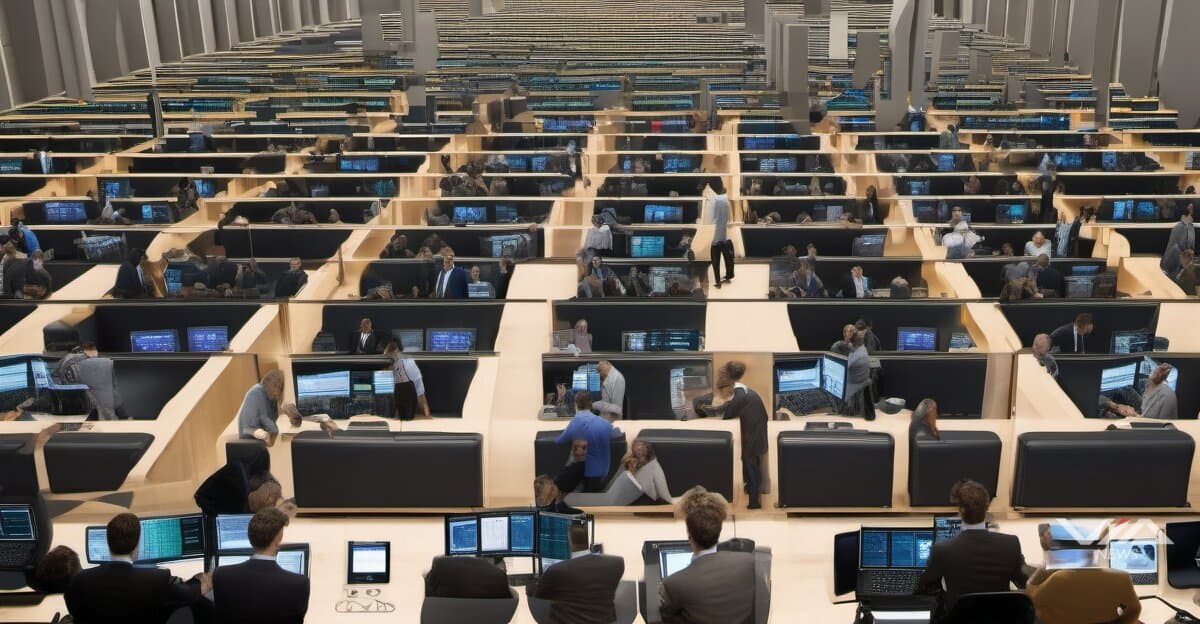
Flow Traders has deployed deep learning models for algorithmic trading as institutional adoption of AI infrastructure accelerates across crypto markets. The market maker's initiative coincides with Google's TPU and Gemini 3 model releases, enabling more sophisticated pattern recognition in volatile trading conditions.
BitMart expanded its AI trading ecosystem across spot, futures, and leveraged products, creating a multi-product platform for automated market making. The exchange's infrastructure handles high-frequency trading operations during Bitcoin's recent cycle from all-time highs to correction territory.
Retail access to AI trading tools is expanding through platforms like nof1.ai, which runs competitions with $10,000 prizes and real capital deployment for winning algorithms. The democratization of institutional-grade trading tools mirrors broader trends in AI model accessibility.
Market infrastructure is evolving as regulatory frameworks mature. Tether's USDT faced rating downgrades while Bittensor's ETP approval in Europe signals growing institutional acceptance of AI-crypto convergence products. These regulatory developments occur alongside technical advancement in trading systems.
The integration of deep learning models into market making operations addresses liquidity challenges during volatile periods. Traditional algorithmic trading relied on statistical arbitrage; modern systems analyze order flow patterns, sentiment data, and cross-market correlations simultaneously.
Institutional players like Flow Traders compete with native crypto firms deploying similar AI infrastructure. The technology gap between institutional and retail traders is narrowing as cloud-based AI platforms reduce entry barriers for sophisticated algorithmic strategies.
Trading volumes on AI-enabled platforms show increased efficiency metrics compared to traditional systems. BitMart's multi-product approach allows algorithms to exploit arbitrage opportunities across spot and derivatives markets within milliseconds.
The transformation extends beyond execution to risk management, with AI systems adjusting position sizes and hedging strategies in real-time based on volatility forecasts. Market makers using these tools can maintain tighter spreads during stress events, improving overall market quality.
Competition for AI talent and infrastructure access is intensifying as trading firms recognize the competitive advantage in millisecond-level decision-making powered by advanced models.